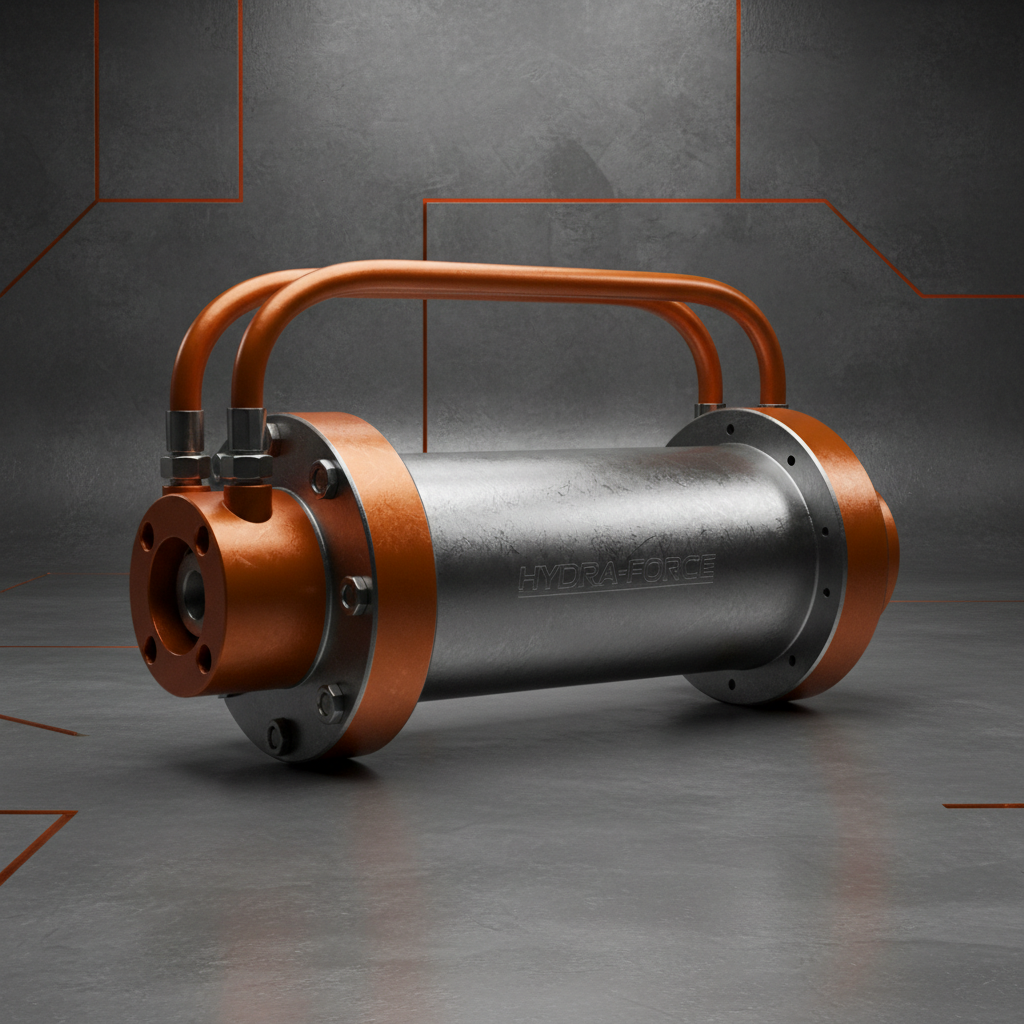
A 3 inch hydraulic cylinder is a versatile component widely utilized across numerous industries, from construction and agriculture to manufacturing and materials handling. Its robust design and ability to generate substantial force make it a critical element in powering heavy machinery. This article provides a comprehensive overview of 3 inch hydraulic cylinders, covering their applications, key features, how to choose the right one for your needs, and considerations for optimal performance. Understanding these cylinders is key to efficient operation and longevity of your hydraulic systems.
The 3-inch bore size offers a balance of force and speed, making these cylinders ideal for a wide range of tasks. In agriculture, they are commonly found in tractor implements like loaders and backhoes. Within construction, they’re integral to excavators, skid steers, and various lifting mechanisms. Manufacturing processes also heavily rely on them for pressing, clamping, and material handling. Further applications include forestry equipment, industrial machinery, and even marine applications where robust and reliable force is needed. Choosing a cylinder specifically designed for the intended application is crucial for maximizing efficiency and safety.
Key Applications: Agriculture, Construction, Manufacturing, Marine, Forestry.
When choosing a 3 inch hydraulic cylinder, several key features must be carefully considered. These include the cylinder’s construction material (steel, stainless steel, or aluminum), rod diameter, stroke length, mounting options (flange, trunnion, clevis), and seal type. The working pressure and operating temperature range are also critical specifications. A cylinder built with high-quality materials and seals will offer greater durability and reliability, ultimately reducing downtime and maintenance costs. Understanding these features ensures you select a cylinder optimized for your specific hydraulic system.
Important Features:
• Construction Material: Steel, Stainless Steel, Aluminum
• Rod Diameter: Impacts strength and buckling resistance.
• Stroke Length: Determines the cylinder's range of motion.
• Mounting Options: Flange, Trunnion, Clevis
A crucial consideration is whether to opt for a single-stage or double-stage cylinder. Single-stage cylinders offer a simpler design and are cost-effective for applications requiring moderate stroke lengths. Double-stage cylinders, however, provide a significantly longer stroke within the same overall cylinder length. This is achieved by telescoping stages. Double-stage cylinders are beneficial in applications where space is limited but a long stroke is necessary, like dump truck beds or large material handlers. Carefully evaluate your stroke length requirements and space constraints to determine the optimal cylinder configuration.
The performance and longevity of a 3 inch hydraulic cylinder are significantly influenced by several factors. Proper hydraulic fluid cleanliness is paramount, as contaminants can cause wear and damage to internal components. Maintaining the correct operating temperature is also essential, as excessive heat can degrade seals and reduce efficiency. Regular inspection for leaks, corrosion, and wear is crucial for early detection of potential issues. Implementing a preventative maintenance schedule, including fluid changes and seal replacements, will extend the cylinder’s lifespan and minimize unexpected downtime.
Selecting a reputable supplier is vital when purchasing 3 inch hydraulic cylinders. FCY Hydraulics offers a wide range of high-quality cylinders, customized solutions, and expert technical support. We prioritize quality materials, precision manufacturing, and rigorous testing to ensure our cylinders meet the highest industry standards. With a commitment to customer satisfaction and timely delivery, we strive to be your trusted partner for all your hydraulic cylinder needs.
Investing in a high-quality 3 inch hydraulic cylinder and partnering with a reliable supplier like FCY Hydraulics is essential for maximizing the efficiency, reliability, and longevity of your hydraulic systems. Proper selection, maintenance, and support are key to unlocking the full potential of this critical component.
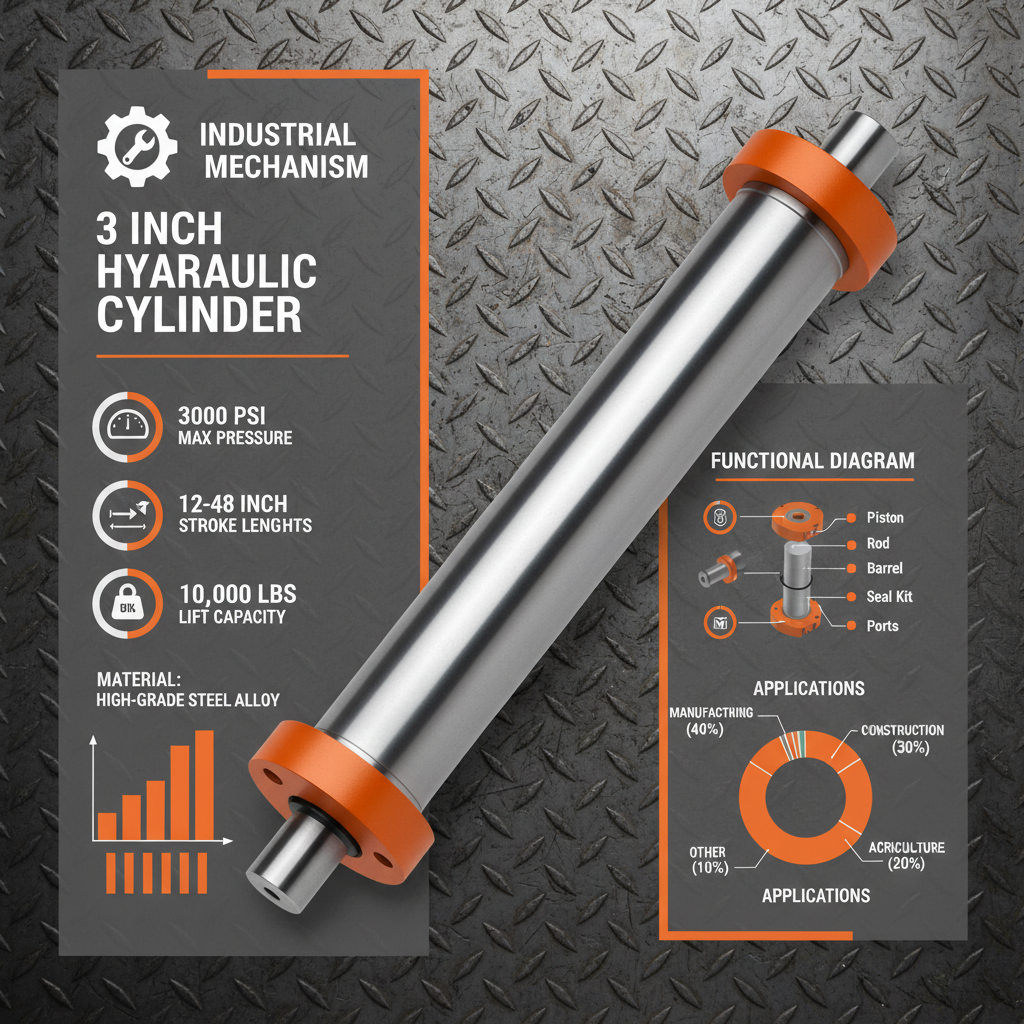
The typical working pressure for a 3 inch hydraulic cylinder ranges from 3,000 to 5,000 PSI (pounds per square inch), though it can vary depending on the specific design and application. Higher pressure cylinders are available for demanding tasks, but it’s crucial to ensure all components in the hydraulic system are rated to handle the increased pressure. Exceeding the maximum pressure rating can lead to component failure and safety hazards. Always consult the manufacturer’s specifications for the recommended operating pressure.
Common seal materials include nitrile rubber (Buna-N), polyurethane, and Viton (fluoroelastomer). Buna-N is a cost-effective option for general-purpose applications. Polyurethane offers excellent abrasion resistance and is suitable for high-pressure environments. Viton provides superior resistance to heat, chemicals, and oil, making it ideal for demanding applications. The choice of seal material depends on the operating conditions, fluid compatibility, and temperature range.
To determine the correct stroke length, carefully analyze the required distance of movement for the application. Consider the full range of motion needed, including any safety factors. It's generally advisable to add a small amount of extra stroke length to accommodate potential inaccuracies or adjustments. Sketching out the application and visually verifying the required movement is a helpful step. If you are unsure, consulting with a hydraulic engineer or supplier can provide valuable guidance.
The rod diameter significantly impacts the cylinder's resistance to buckling and its ability to handle side loads. A larger rod diameter provides greater strength and stability, particularly in applications involving off-center forces. However, a larger diameter also increases the cylinder's overall size and cost. Selecting the appropriate rod diameter involves balancing strength requirements with size and budget constraints. Consult with a hydraulic expert to ensure the rod diameter is adequate for the intended application.