Hydraulic cylinders are the workhorses of numerous industries, providing the force and precision needed for everything from construction equipment to agricultural machinery. Among the variety of sizes available, the 18 hydraulic cylinder stands out as a popular and versatile choice. This article delves into the specifications, applications, benefits, and considerations when choosing an 18 inch hydraulic cylinder, providing a comprehensive guide for professionals and buyers. Understanding these cylinders’ capabilities can lead to increased efficiency and optimized performance in various applications.
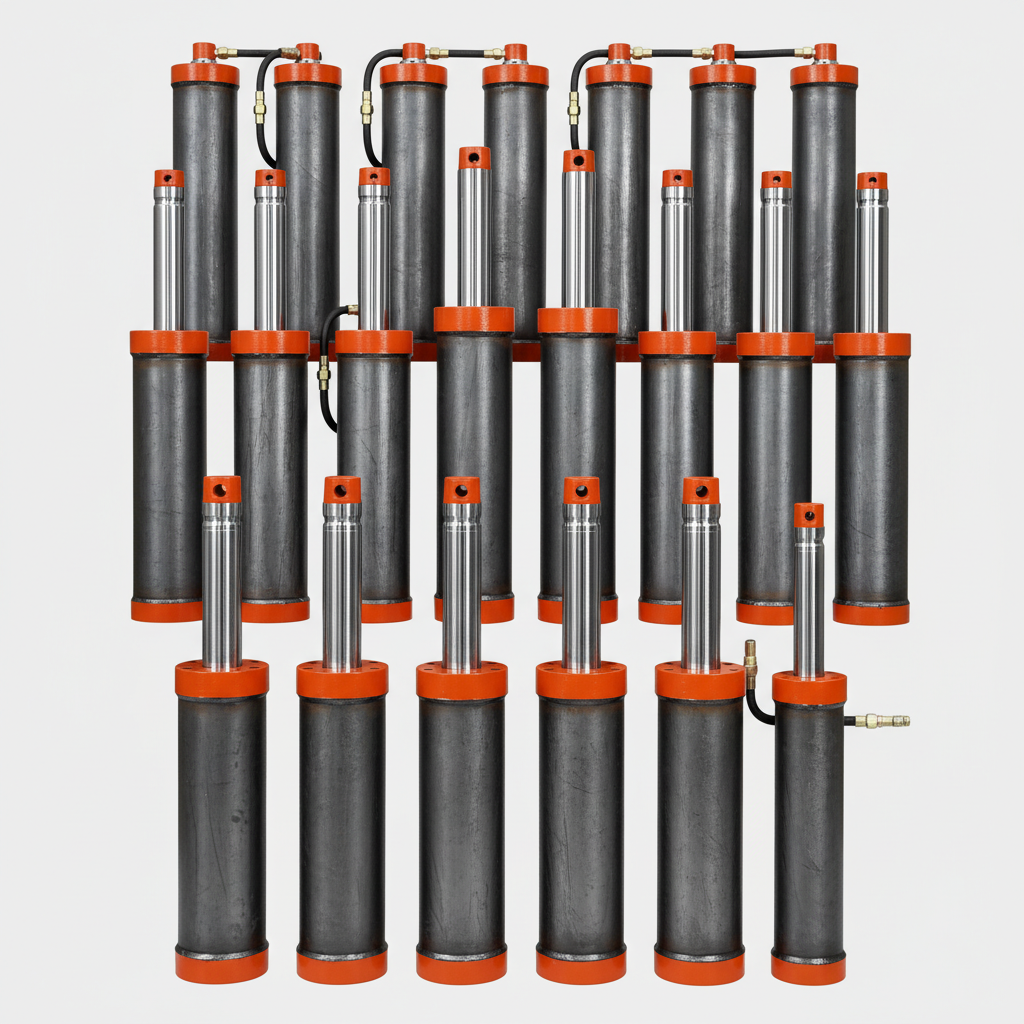
The "18" in an 18 hydraulic cylinder refers to its bore size – the inner diameter of the cylinder. Measured in inches, this dimension significantly impacts the cylinder’s force output. An 18-inch bore cylinder can generate substantial force, making it suitable for heavy-duty applications. Other crucial specifications include the stroke length (the distance the piston travels), rod diameter, and pressure rating. These factors collectively determine the cylinder’s performance characteristics. FCY Hydraulics specializes in custom-engineered hydraulic cylinders, ensuring optimal performance for specific needs.
Key Takeaway: The bore size dictates the force capability of the cylinder. An 18-inch bore offers significant force for demanding applications.
Due to their robust power, 18 hydraulic cylinders find applications across a wide range of industries. In construction, they power the booms and buckets of excavators and loaders. In agriculture, they control the lifting and tilting mechanisms of tractors and implements. Manufacturing facilities utilize them in presses, injection molding machines, and material handling equipment. Furthermore, they are vital components in forestry equipment, mining machinery, and even certain types of marine vessels. Their versatility and reliability make them indispensable in various challenging environments.
Industries Utilizing 18 Hydraulic Cylinders:
• Construction
• Agriculture
• Manufacturing
• Forestry
• Mining
18 hydraulic cylinders aren't one-size-fits-all. They come in different configurations, primarily single-stage and multi-stage designs. Single-stage cylinders offer a straightforward construction with a single piston and rod, ideal for applications requiring moderate stroke lengths. Multi-stage cylinders, also known as telescopic cylinders, consist of multiple nested cylinders that extend sequentially, providing significantly longer stroke lengths in a compact space. Choosing the right design depends on the application’s specific requirements. If you need a long stroke with limited space, a multi-stage cylinder is the preferred option.
Selecting the right 18 hydraulic cylinder requires careful consideration of several factors. Pressure rating is crucial; ensure the cylinder can withstand the maximum pressure of your hydraulic system. Material selection is also important, with options like steel and stainless steel offering varying levels of strength, corrosion resistance, and temperature tolerance. FCY Hydraulics offers expert guidance on material selection and customization to meet specific application demands.
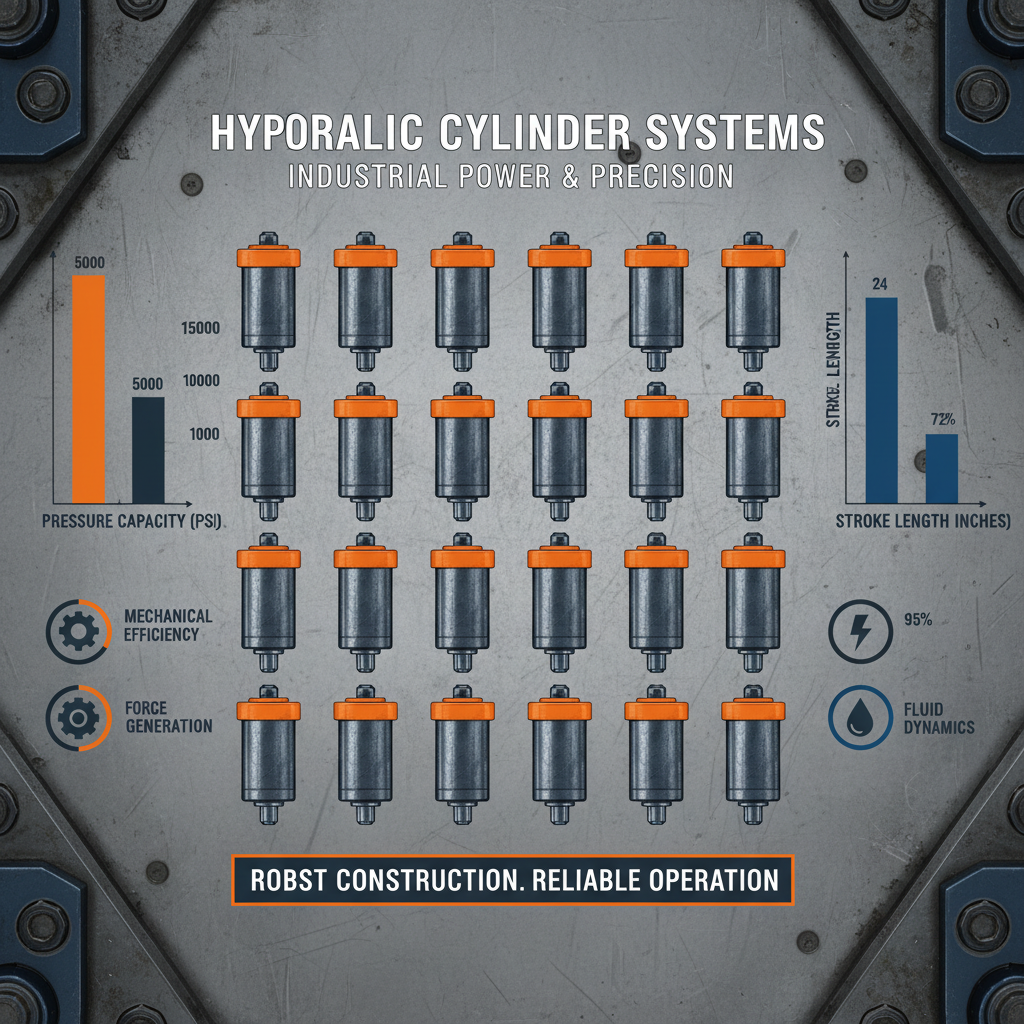
Proper maintenance is vital to extend the life of your 18 hydraulic cylinder. Regular inspection for leaks, damage, and wear is essential. Keep the cylinder clean and lubricated to prevent corrosion and ensure smooth operation. Use the correct hydraulic fluid specified by the manufacturer. Avoid exceeding the cylinder’s pressure rating, as this can lead to premature failure. FCY Hydraulics provides comprehensive maintenance guidelines and support to help you maximize the lifespan of your hydraulic cylinders.
The 18 hydraulic cylinder is a powerful and versatile component with applications across numerous industries. Understanding its specifications, types, and maintenance requirements is key to maximizing its performance and longevity. By selecting the right cylinder and implementing a proactive maintenance plan, you can ensure reliable operation and optimized efficiency in your hydraulic systems.
The pressure rating for an 18 hydraulic cylinder can vary depending on the manufacturer and design, but it commonly ranges from 3,000 PSI to 5,000 PSI or even higher for specialized applications. It's essential to select a cylinder with a pressure rating that matches or exceeds the maximum pressure of your hydraulic system to ensure safe and reliable operation. Exceeding the rated pressure can lead to cylinder failure and potential safety hazards.
18 hydraulic cylinders are commonly made from steel, often alloy steel for increased strength and durability. For corrosive environments, stainless steel is frequently used to resist rust and corrosion. The piston rod is usually coated with chrome or nickel to enhance wear resistance and prevent corrosion. The choice of material depends on the operating conditions and the specific application requirements.
The correct stroke length depends on the distance the piston needs to travel to complete the desired task. Carefully measure the required movement in your application and add a small margin for safety. Consider the full range of motion needed and any potential obstructions. It's better to choose a slightly longer stroke length than to be too short, as a shorter stroke may not provide sufficient movement.
Yes, custom designs are often available. FCY Hydraulics specializes in custom-engineered hydraulic cylinders. This allows you to specify the exact bore size, stroke length, mounting options, and other parameters to meet your unique application needs. Customization ensures optimal performance and compatibility with your system.