When seeking robust power for demanding applications, a 40 ton hydraulic cylinder is often the ideal solution. These cylinders deliver immense force, making them crucial components in industries like construction, manufacturing, and agriculture. This article provides a comprehensive overview of 40-ton hydraulic cylinders, covering their applications, key features, specifications, and how to choose the right one for your needs. We’ll explore the considerations necessary for optimal performance and longevity.
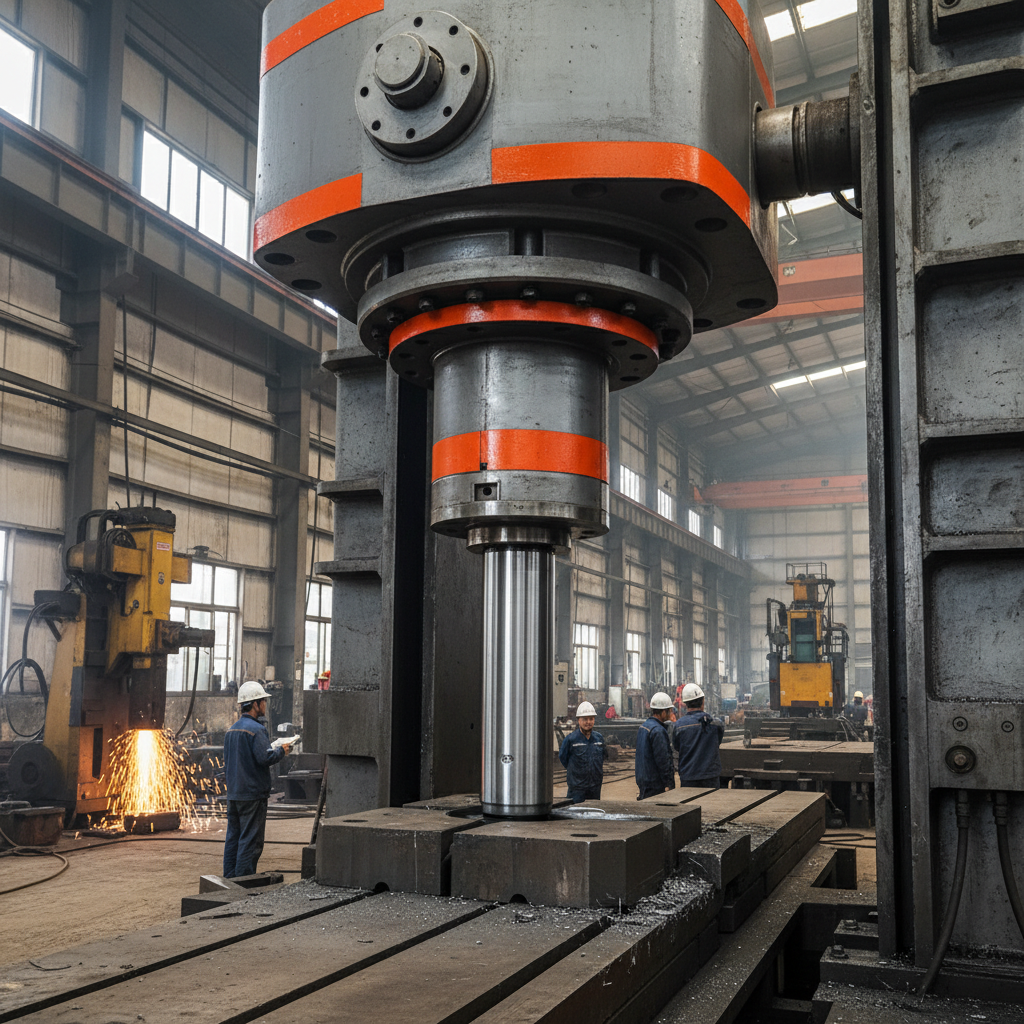
The immense force generated by a 40-ton hydraulic cylinder makes it suitable for a wide range of heavy-duty tasks. Common applications include pressing, lifting, bending, and punching operations in manufacturing. In construction, they're vital for operating heavy machinery like excavators and bulldozers. Agriculture benefits from their power in applications like hay balers and large-scale farming equipment. Furthermore, they’re crucial in material handling, mining, and even specialized industrial processes demanding significant linear force. Choosing a cylinder from a reliable manufacturer like FCY Hydraulics ensures performance and durability.
Key Application Areas: Construction, Manufacturing, Agriculture, Mining, Material Handling, and Heavy Machinery Operation.
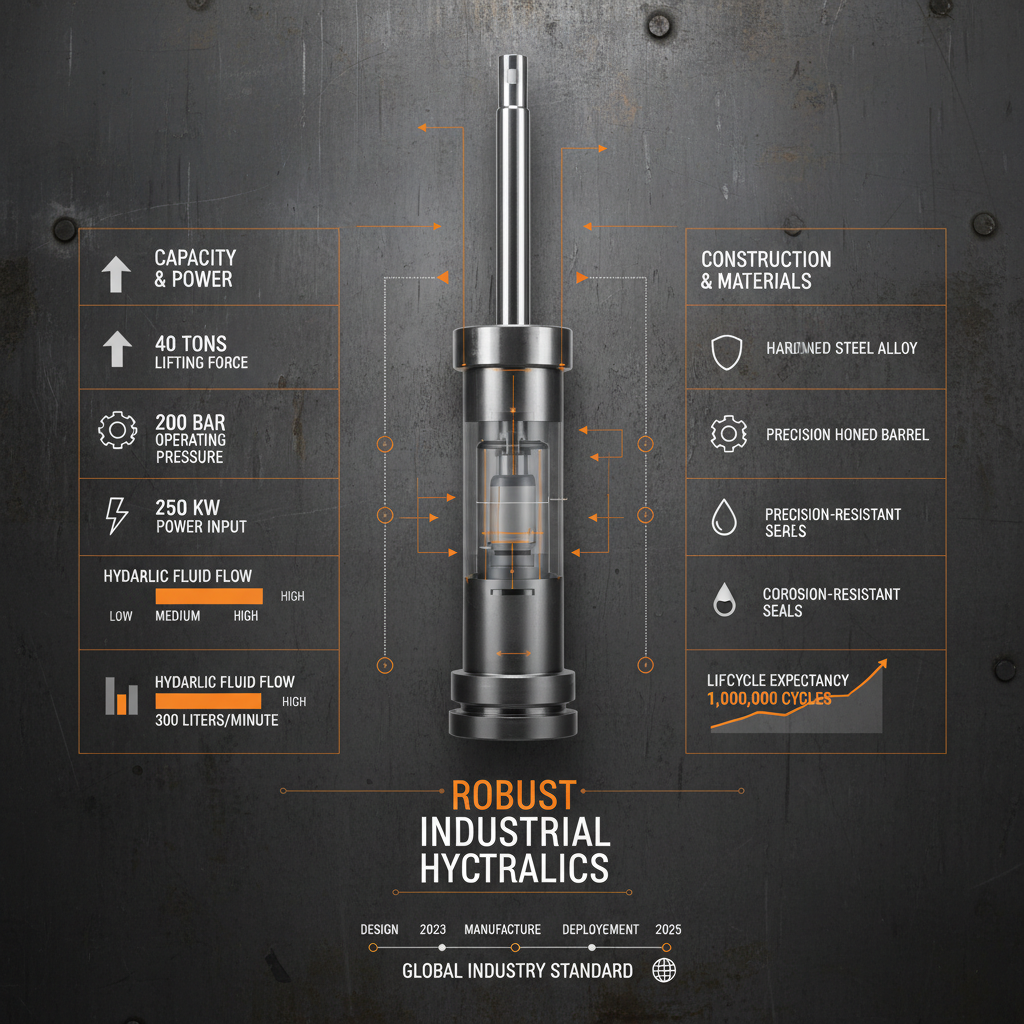
A quality 40-ton hydraulic cylinder boasts several key features. High-strength steel construction ensures durability under extreme pressure. Precision-honed cylinder walls provide a smooth, leak-free operation. Robust seals prevent fluid leakage and maintain consistent performance. Furthermore, mounting options vary to accommodate different applications. Chrome-plated piston rods offer corrosion resistance and extended service life. These cylinders are designed for reliability and long-term operation, even in harsh environments. Investing in cylinders built with these features, like those offered by FCY Hydraulics, is essential for minimizing downtime and maximizing productivity.
When selecting a 40-ton hydraulic cylinder, understanding key specifications is crucial. The 'bore' refers to the cylinder's internal diameter, directly impacting the force output. 'Stroke' defines the distance the piston travels, determining the cylinder's range of motion. 'Pressure' indicates the maximum force the cylinder can handle. A 40-ton cylinder doesn’t refer to a specific size but rather the force it can generate. Here’s a basic example:
Choosing the right 40-ton hydraulic cylinder requires careful consideration of several factors. Application-specific requirements are paramount – the type of load, operating environment, and duty cycle all influence the ideal cylinder configuration. Mounting style (e.g., flange, trunnion, clevis) must align with the machine's design. The operating temperature and potential exposure to corrosive substances should also be considered to ensure material compatibility. Finally, working with a reputable supplier like FCY Hydraulics, capable of providing expert guidance and custom solutions, is highly recommended.
To ensure a long service life for your 40-ton hydraulic cylinder, regular maintenance is essential. This includes regularly checking for leaks, inspecting seals for wear, and maintaining proper fluid levels. Keeping the cylinder clean and protected from contaminants is also crucial. Furthermore, proper lubrication minimizes friction and prevents corrosion. Following the manufacturer's recommended maintenance schedule, as outlined in the documentation provided by FCY Hydraulics, will help prevent premature failure and maximize the return on your investment.
Choosing the right 40-ton hydraulic cylinder is a crucial decision impacting the performance and reliability of your equipment. By carefully considering your application’s needs, understanding key specifications, and prioritizing quality from a trusted manufacturer like FCY Hydraulics, you can ensure a lasting and efficient solution. Don't hesitate to consult with experts to find the perfect cylinder for your specific requirements.
The lifespan of a 40-ton hydraulic cylinder varies depending on usage intensity, environmental conditions, and maintenance practices. With proper maintenance, a well-built cylinder can last for 5-10 years, or even longer in less demanding applications. However, heavy use in harsh environments may require replacement sooner. Regular inspections and preventative maintenance are key to maximizing lifespan. Signs of wear or damage, such as leaks or visible corrosion, should be addressed immediately.
The type of hydraulic fluid recommended depends on the cylinder’s operating temperature and the specific application. Generally, mineral-based hydraulic fluids are suitable for most applications. However, in extreme temperatures or where fire resistance is critical, synthetic hydraulic fluids may be necessary. Always refer to the cylinder manufacturer’s recommendations, available from FCY Hydraulics, for the correct fluid type and viscosity. Using the wrong fluid can lead to damage and reduced performance.
Yes, many manufacturers, including FCY Hydraulics, offer custom-built 40-ton hydraulic cylinders. This allows you to specify precise dimensions, mounting configurations, and materials to meet your unique application requirements. Customization ensures optimal performance and integration with your existing machinery. Discussing your specific needs with a manufacturer’s engineering team is the best way to determine the feasibility and cost of a custom cylinder.
Working with 40-ton hydraulic cylinders requires strict adherence to safety precautions. Always relieve pressure before disconnecting any lines. Never work on a pressurized system. Wear appropriate personal protective equipment (PPE), including safety glasses and gloves. Ensure all connections are tight and leak-free. Regularly inspect hoses and fittings for damage. Follow all manufacturer’s safety guidelines and receive proper training before operating or maintaining hydraulic equipment.