Hydraulic cylinders are vital components in countless industrial applications, providing the power for movement and force. Among the various sizes, the 40 hydraulic cylinder stands out as a versatile solution for many applications. This article will delve into the benefits, common uses, specifications, and factors to consider when choosing a 40-inch hydraulic cylinder for your specific needs. Whether you're in construction, agriculture, or manufacturing, understanding these cylinders can optimize performance and efficiency.
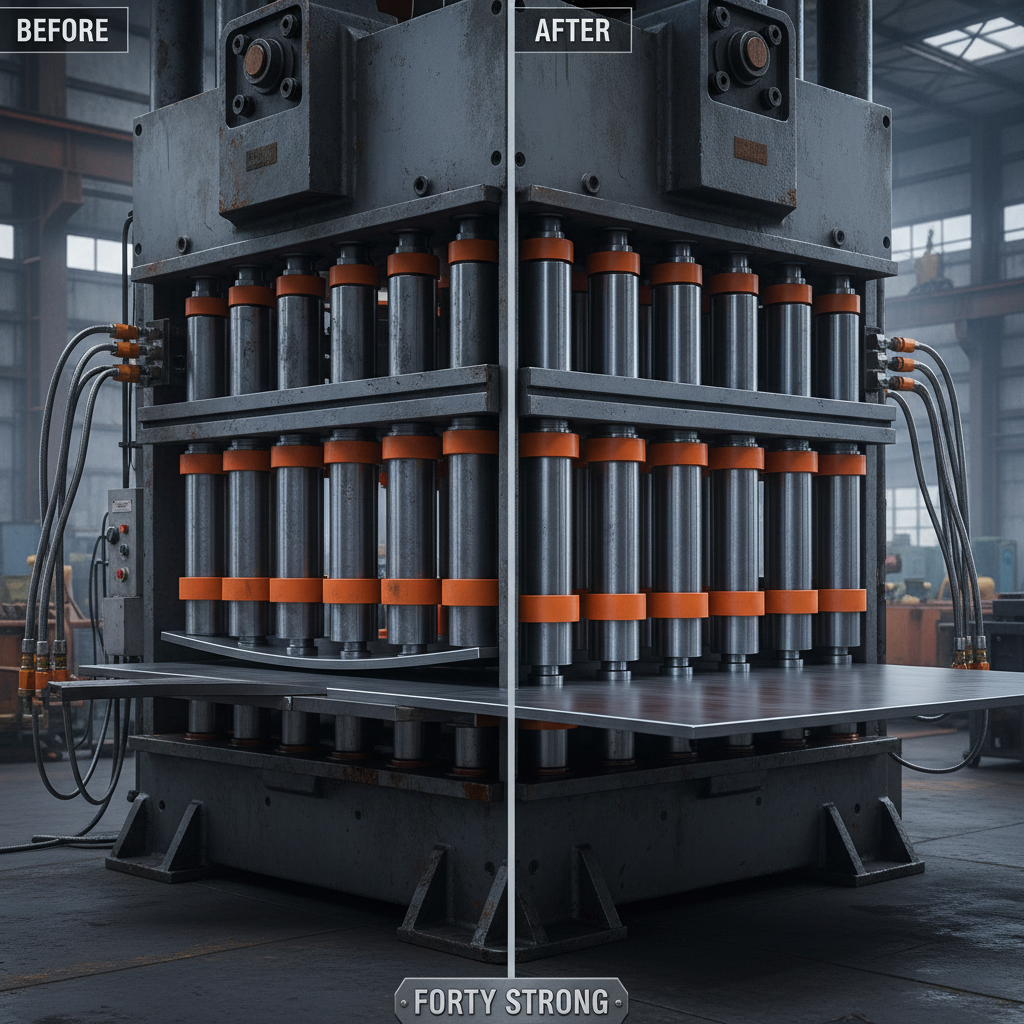
A 40 hydraulic cylinder offers a powerful combination of strength and stability, making it suitable for demanding applications. Its larger bore size translates to higher force output, capable of handling heavy loads and overcoming significant resistance. This cylinder excels in applications requiring a long stroke length, providing extensive linear movement. The robust construction ensures durability and longevity, minimizing downtime and maintenance costs. Utilizing a 40 inch cylinder can lead to increased productivity and overall efficiency in operations. Furthermore, modern designs incorporating advanced sealing technology contribute to reduced leakage and environmental impact.
Key Advantages: High force output, long stroke capabilities, durable construction, reduced leakage, and improved operational efficiency.
The versatility of the 40 hydraulic cylinder makes it a valuable asset across diverse industries. In agriculture, it's frequently used in large machinery such as planters, harvesters, and tillage equipment. Construction relies on these cylinders for excavators, bulldozers, and cranes, where immense lifting and pushing forces are required. Manufacturing applications include presses, metal forming machines, and industrial robots. Moreover, 40-inch cylinders are employed in material handling, including forklifts and stackers. The robust design and capacity make it ideal for applications requiring heavy lifting or precise movement.
Application Industries:
• Agriculture: Planters, Harvesters
• Construction: Excavators, Bulldozers
• Manufacturing: Presses, Metal Formers
• Material Handling: Forklifts, Stackers
Choosing the right cylinder size is crucial for optimal performance. While smaller cylinders are suitable for lighter loads, the 40 hydraulic cylinder offers significant advantages where higher force is needed. Compared to a 30-inch cylinder, the 40-inch provides greater stroke length and capacity. Conversely, a 50-inch cylinder might be overkill for applications not demanding that level of force. The 40-inch cylinder strikes a balance, offering substantial power without excessive size or cost. Factors to consider include the required force, stroke length, operating pressure, and mounting constraints. FCY Hydraulics offers a range of cylinder sizes to meet diverse needs.
When selecting a 40 hydraulic cylinder, several key specifications need consideration. Bore diameter is a primary factor, influencing the force output. Stroke length dictates the maximum linear movement. Operating pressure defines the maximum pressure the cylinder can handle. Mounting type (e.g., flange, trunnion, clevis) impacts installation. Furthermore, consider the rod diameter, seal material, and overall cylinder construction.
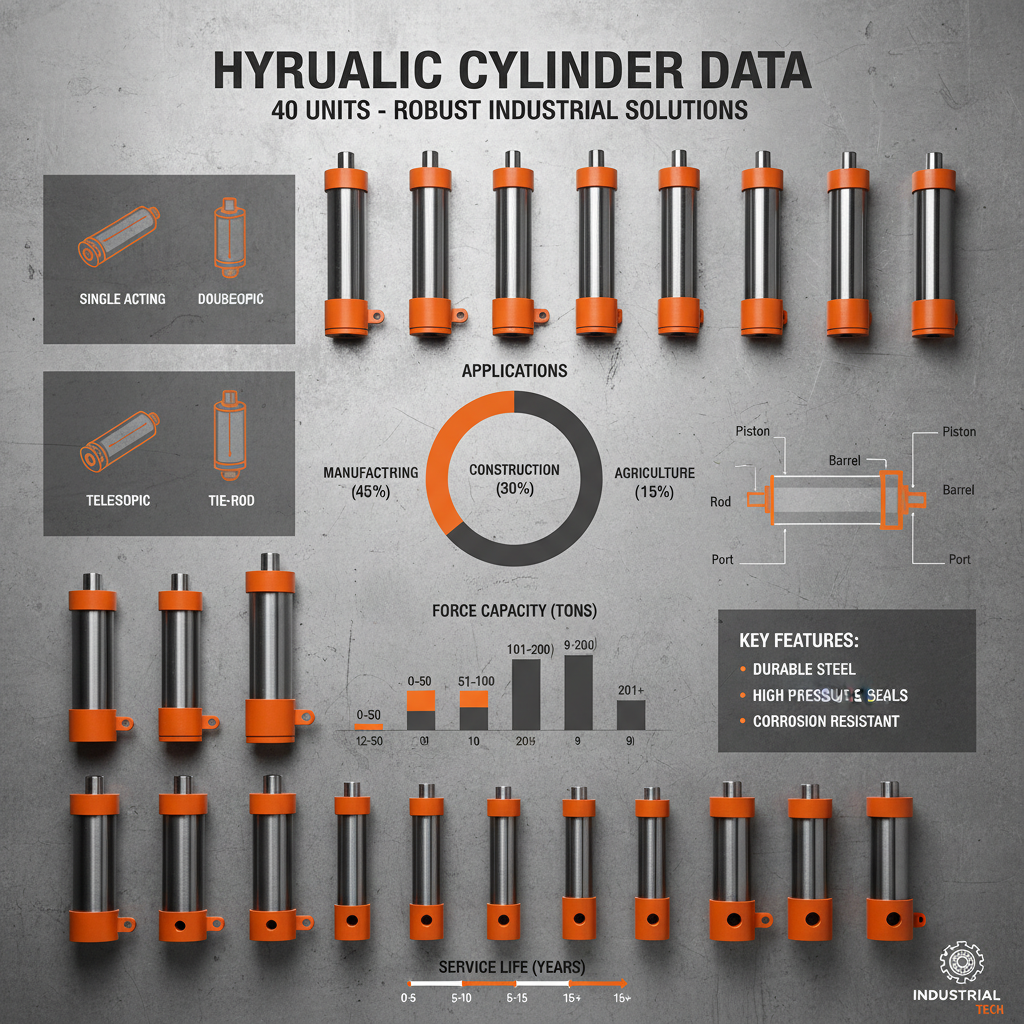
Selecting the right 40 hydraulic cylinder is critical for ensuring optimal performance and longevity in your applications. Consider the force requirements, stroke length, operating conditions, and mounting options. Investing in a quality cylinder from a reputable manufacturer like FCY Hydraulics ensures reliability and efficiency. Don’t compromise on quality when it comes to the power of your operations.
Several factors can impact the lifespan of a 40 hydraulic cylinder. These include operating pressure, load conditions, contamination of the hydraulic fluid, and environmental factors such as temperature and humidity. Regular maintenance, including fluid changes, seal inspections, and proper lubrication, are crucial for extending its life. Avoid exceeding the cylinder's maximum pressure rating and ensure the hydraulic fluid is kept clean and free of debris. Proper storage when not in use can also prevent corrosion and seal degradation.
Common seal materials include nitrile rubber (NBR), polyurethane (PU), and Viton (FKM). NBR seals are cost-effective and suitable for general-purpose applications. PU seals offer excellent abrasion resistance and are ideal for high-pressure environments. Viton seals provide superior resistance to heat, chemicals, and oils, making them suitable for demanding applications. The choice of seal material depends on the operating conditions and the type of hydraulic fluid used.
The correct operating pressure should be determined based on the application's requirements and the cylinder's specifications. Exceeding the maximum pressure rating can lead to cylinder failure and potential safety hazards. Consult the cylinder's datasheet or manufacturer's recommendations to determine the appropriate operating pressure. Consider the load being moved, the desired speed of operation, and the hydraulic system's capacity. A pressure relief valve should be installed to prevent over-pressurization.
Common mounting options include flange, trunnion, clevis, and rod eye. Flange mounts provide a rigid connection and are suitable for high-pressure applications. Trunnion mounts allow the cylinder to pivot, accommodating angular movement. Clevis mounts offer a simple and versatile connection. Rod eye mounts are used for connecting the cylinder rod to other components. The appropriate mounting option depends on the application's requirements and the desired range of motion.