Hydraulic cylinders are essential components in a wide array of industrial applications, powering everything from heavy machinery to intricate automation systems. Among the different types, the 16 stroke hydraulic cylinder stands out for its specific capabilities and applications. This article will delve into the characteristics, advantages, and applications of this cylinder type, offering a comprehensive overview for engineers, operators, and anyone interested in hydraulic technology. Choosing the right cylinder is vital for optimal performance and longevity; we’ll explore how the 16-stroke design delivers specific benefits.
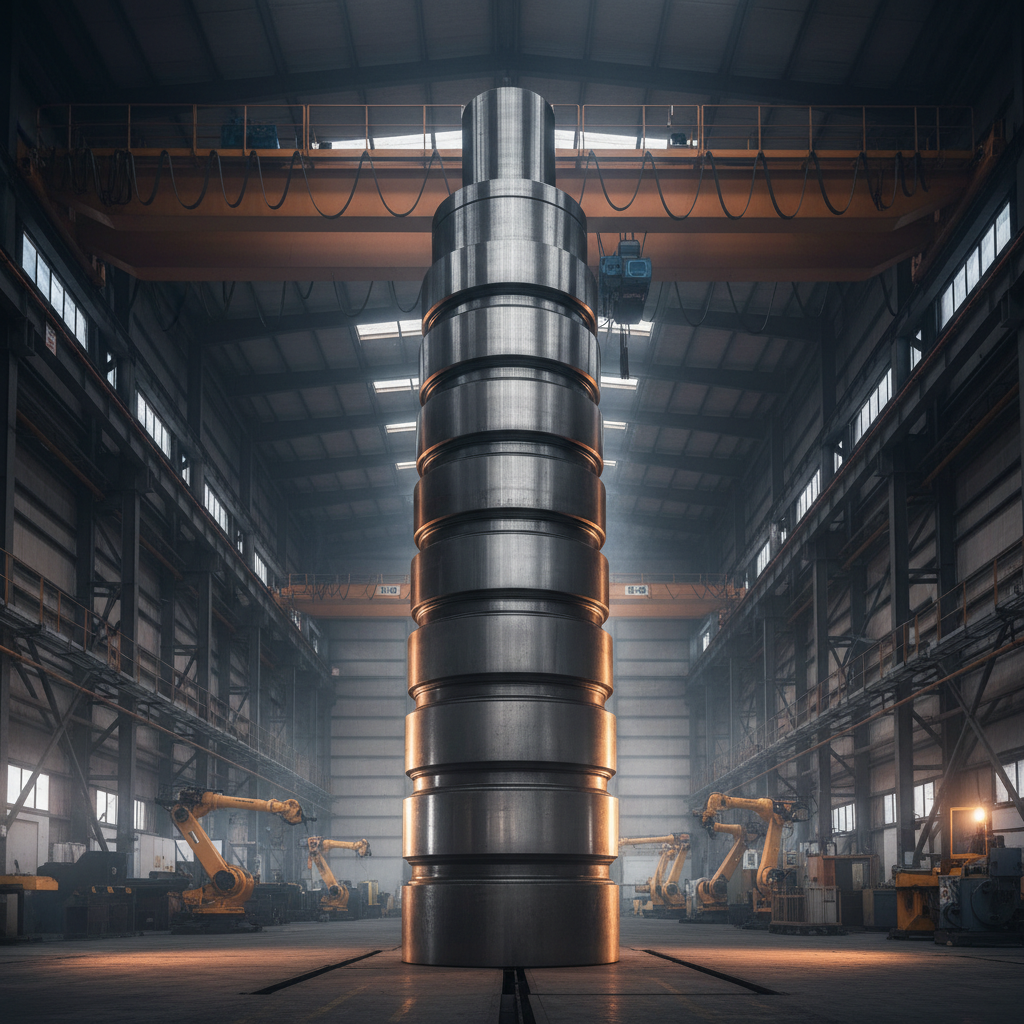
A 16 stroke hydraulic cylinder, also known as a multi-stage hydraulic cylinder, is a specialized design that achieves a long stroke length within a relatively compact body. Instead of a single piston extending from a single chamber, it utilizes a series of telescoping sleeves. Each sleeve extends sequentially, effectively multiplying the overall stroke length. The "16 stroke" designation indicates the number of stages or telescoping sections within the cylinder. This design allows for exceptionally long reaches, making it ideal for applications where space is limited but a substantial extension is needed. These cylinders are commonly used in applications needing precise positioning and high force.
Key Highlights: Features a series of telescoping sleeves, achieving a long stroke within a compact design. Ideal for applications where space is limited and a substantial extension is required.
The primary advantage of a 16 stroke hydraulic cylinder is its ability to deliver a long stroke length in a confined space. This is crucial in applications like dump trucks, aerial lifts, and material handling equipment. Beyond this, they offer enhanced stability due to the guided extension of each stage. The multi-stage design also allows for a more controlled and precise movement compared to single-stage cylinders. However, it’s important to note that they typically have a lower load capacity than single-stage cylinders of comparable bore size, and require more complex maintenance. FCY Hydraulics offers a range of these cylinders engineered for optimal performance.
Key Advantages:
• Long stroke length in a compact design
• Enhanced stability through guided extension
• Precise and controlled movement
Choosing between a 16 stroke and a single-stage hydraulic cylinder depends heavily on the specific application requirements. Single-stage cylinders excel in applications requiring high force and simplicity, while 16-stroke cylinders prioritize long reach in limited space. The following table highlights key differences:
These cylinders find use in a diverse range of industries. Key applications include: Dump trucks for bed lifting, aerial work platforms for extending booms, material handling equipment for reaching high shelves, agricultural machinery for implement control, and large-scale construction projects requiring long-reach solutions. The versatility and reliability of FCY Hydraulics’ 16 stroke cylinders make them a favored choice across these sectors.
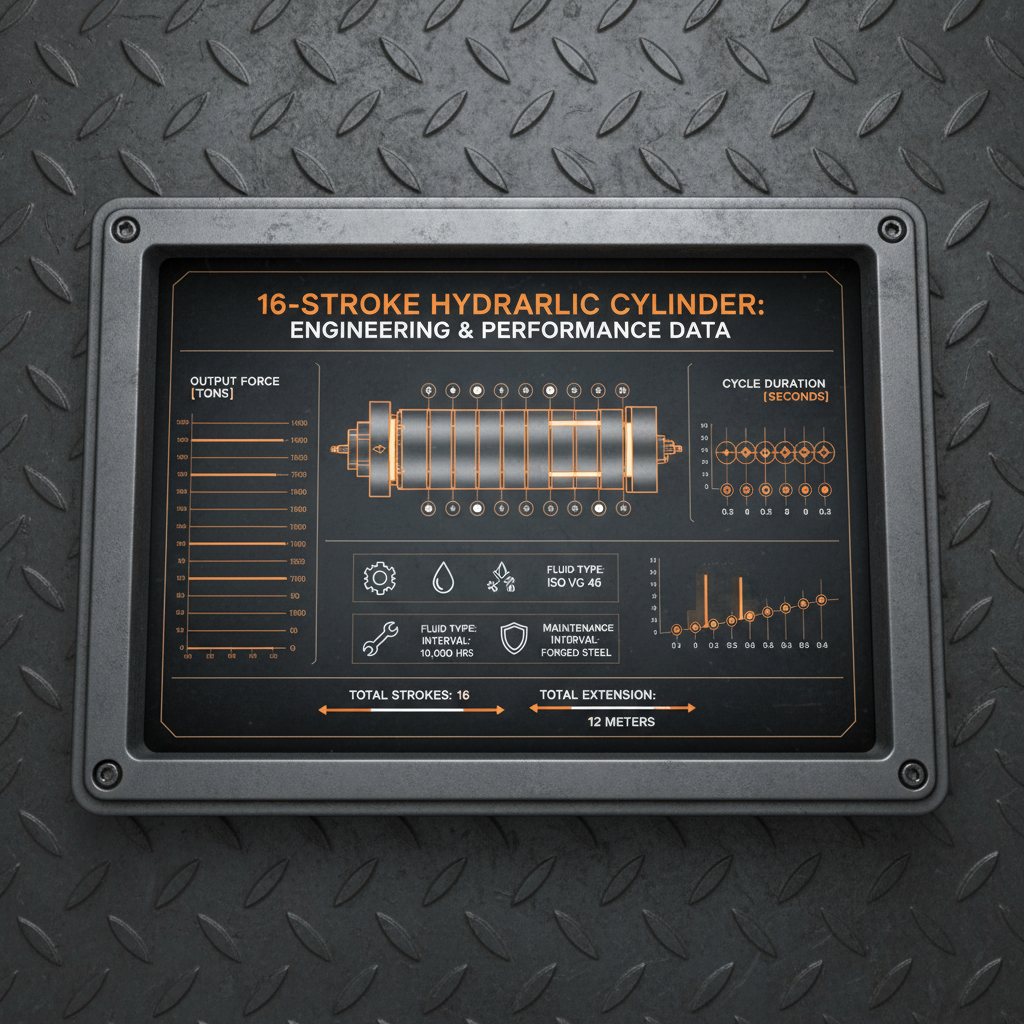
Choosing the correct 16 stroke hydraulic cylinder requires careful consideration of several factors. These include the required stroke length, load capacity, operating pressure, and environmental conditions. The cylinder's material and seals should be compatible with the working fluid and temperature range. Properly specifying these parameters is vital to ensure reliable and long-lasting performance. Partnering with a reputable manufacturer like FCY Hydraulics provides access to expert guidance and customized solutions.
The 16 stroke hydraulic cylinder provides a unique solution for applications demanding long stroke lengths in constrained spaces. Understanding its advantages and limitations, and carefully selecting the appropriate cylinder for your needs, is key to maximizing performance and reliability. Invest in quality and expertise for a robust and efficient hydraulic system.
Regular maintenance is crucial for extending the lifespan of a 16 stroke hydraulic cylinder. This includes checking fluid levels, inspecting seals for leaks, and lubricating moving parts. A more thorough inspection should be conducted every 6-12 months, or more frequently in harsh environments. This involves examining the cylinder for corrosion, damage to the telescoping sleeves, and proper operation of the locking mechanisms. Replacing filters and ensuring the hydraulic fluid is clean are also essential steps. Following the manufacturer's recommendations, like those provided by FCY Hydraulics, is highly recommended.
Safety is paramount when working with hydraulic systems. Always relieve pressure before disconnecting any lines or performing maintenance. Wear appropriate personal protective equipment (PPE), including safety glasses, gloves, and protective clothing. Ensure the cylinder is properly supported before working on it. Never attempt to disassemble or repair a cylinder without proper training and knowledge. Be aware of pinch points and potential hazards associated with high-pressure fluids. Refer to the cylinder's safety data sheet (SDS) for specific hazards and precautions.
The compatibility of hydraulic fluid is critical for proper cylinder operation and longevity. Most 16 stroke cylinders are designed to work with mineral-based hydraulic fluids. However, some applications may require synthetic fluids or biodegradable options. It's essential to check the cylinder's specifications and the fluid manufacturer's recommendations to ensure compatibility. Using the wrong fluid can lead to seal damage, corrosion, and reduced performance. FCY Hydraulics can advise on the best fluid for your specific application.
Leakage in a 16 stroke cylinder can stem from several sources, including worn or damaged seals, loose fittings, corrosion, and scratches on the piston rod. Improper installation or overpressure can also contribute to leakage. Regular inspection and timely replacement of worn seals are essential preventative measures. Ensuring that the hydraulic fluid is clean and free of contaminants can also minimize seal damage. Addressing corrosion promptly and maintaining proper system pressure are crucial for preventing leaks.