12V hydraulic cylinders are increasingly popular in various applications, offering a powerful and efficient solution for linear motion. These cylinders utilize a 12-volt DC power source to operate a hydraulic pump, which then drives the cylinder's movement. This guide will delve into the principles, applications, benefits, and considerations when choosing a 12V hydraulic cylinder. Understanding the nuances of these systems is crucial for optimal performance and longevity. They are a reliable and versatile solution for both industrial and mobile applications.
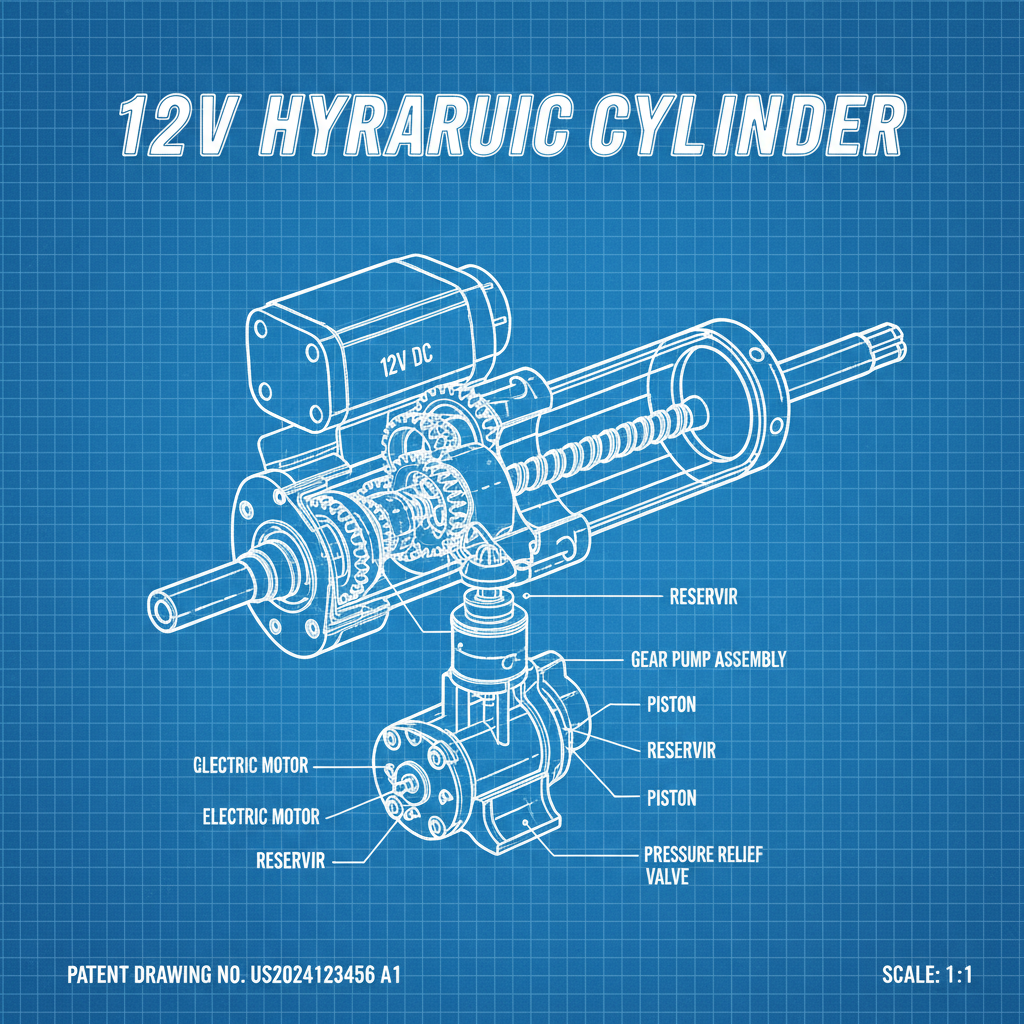
At the core of a 12V hydraulic cylinder system is the conversion of electrical energy into mechanical force. A 12V DC motor powers a hydraulic pump. The pump draws hydraulic fluid from a reservoir and pressurizes it, sending it to the cylinder. This pressurized fluid acts on a piston within the cylinder, causing it to extend or retract, generating linear motion. The 12V power source makes these cylinders ideal for mobile applications and remote operation. The entire process is remarkably efficient, delivering substantial force with minimal energy input. Choosing the right pump and cylinder combination is critical for optimal performance.
Key Components: DC Motor, Hydraulic Pump, Hydraulic Fluid, Cylinder, Reservoir, Control Valve.
The versatility of 12V hydraulic cylinders lends itself to a wide array of applications. In the agricultural sector, they are used in tipping trailers, lifting equipment on tractors, and controlling implements. Marine applications include trim tabs, steering systems, and hatch controls. They're also frequently found in construction equipment like mini-excavators and backhoes, and in industrial machinery for clamping, lifting, and positioning. Their compact size and reliance on readily available 12V power make them a compelling choice for many projects.
Application Examples:
• Agricultural Tipping Trailers
• Marine Trim Tabs & Steering
• Mini-Excavators & Backhoes
• Industrial Clamping & Lifting
Selecting the appropriate 12V hydraulic cylinder involves considering several critical factors. The required force, stroke length, cylinder bore, and rod diameter are all essential parameters. The operating pressure of the hydraulic system needs to be compatible with the cylinder’s specifications. Furthermore, the type of application – whether it's a single-acting or double-acting cylinder – must be determined based on the desired motion. Single-acting cylinders extend with hydraulic pressure and retract via a spring or gravity, while double-acting cylinders offer powered extension and retraction.
Compared to other actuation methods, 12V hydraulic cylinders offer several advantages. They deliver exceptional force capabilities in a compact package. Their efficiency translates to lower energy consumption. The readily available 12V power source simplifies integration into existing systems. Furthermore, hydraulic cylinders are known for their reliability and long service life, especially when properly maintained. They also provide precise control over motion, making them ideal for applications requiring accurate positioning. For more details and custom solutions, visit FCY Hydraulics.
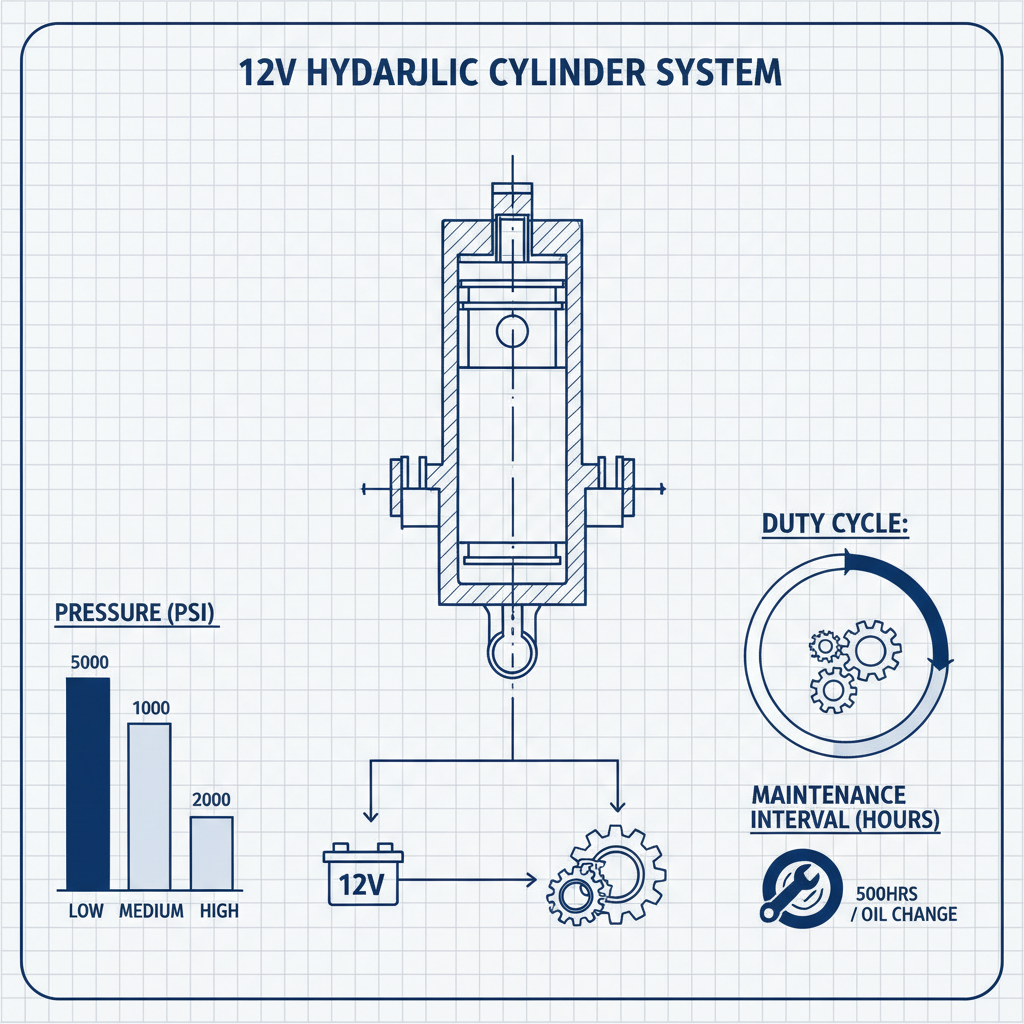
Regular maintenance is crucial for extending the lifespan of a 12V hydraulic cylinder. This includes checking the hydraulic fluid level, inspecting for leaks, and ensuring all connections are secure. Fluid should be changed according to the manufacturer's recommendations. Safety is paramount when working with hydraulic systems. Always relieve pressure before disconnecting any lines. Wear appropriate personal protective equipment, such as safety glasses and gloves. Never attempt to repair a hydraulic system without proper training and knowledge.
12V hydraulic cylinders provide a robust and efficient solution for a diverse range of applications. By understanding their principles of operation, selecting the appropriate cylinder for your needs, and adhering to proper maintenance and safety practices, you can unlock the full potential of this technology. FCY Hydraulics offers a wide selection of high-quality 12V hydraulic cylinders to meet your specific requirements.
The lifespan of a 12V hydraulic cylinder varies based on usage intensity, maintenance practices, and operating conditions. Generally, with proper care, a well-built cylinder can last between 5 to 10 years or even longer. Factors such as the quality of hydraulic fluid, the severity of loads, and exposure to harsh environments all influence longevity. Regular inspection for leaks, corrosion, and wear is crucial for identifying potential issues and preventing premature failure. Replacing worn seals and maintaining proper fluid levels can significantly extend the cylinder's service life.
The recommended hydraulic fluid depends on the cylinder's operating temperature and the materials used in its construction. Generally, mineral-based hydraulic fluid is a common choice for many 12V hydraulic cylinder applications. However, for extreme temperatures or specific compatibility requirements, synthetic fluids may be more appropriate. Always consult the cylinder manufacturer's specifications for the recommended fluid type and viscosity. Using the incorrect fluid can lead to reduced performance, premature wear, and potential system failure.
Yes, a PWM controller is an excellent method for controlling the speed of a 12V hydraulic cylinder. By varying the duty cycle of the PWM signal, you can precisely adjust the voltage supplied to the hydraulic pump, thereby controlling its speed and, consequently, the cylinder's extension and retraction rate. This offers a smooth and efficient way to regulate the cylinder's movement, especially in applications requiring precise positioning or variable speed control. Ensure the PWM controller is rated for the current draw of the hydraulic pump.
Safety is paramount when dealing with hydraulic systems. Always relieve pressure before disconnecting any lines or components. Wear safety glasses and gloves to protect against potential fluid splashes and injuries. Never attempt to tighten connections while the system is pressurized. Ensure all components are in good working order and free from leaks. Avoid exposing hydraulic fluid to open flames or excessive heat. Regular inspection and maintenance are crucial for preventing accidents and ensuring safe operation. Consult the manufacturer’s safety guidelines for specific recommendations.