When it comes to heavy machinery and industrial applications, the reliable performance of hydraulic cylinders is paramount. Among these, the 12 ton hydraulic cylinder is a workhorse, widely utilized across diverse sectors. This article will delve into the features, applications, and considerations when selecting a 12 ton hydraulic cylinder, providing a comprehensive guide for engineers, procurement managers, and industry professionals. Choosing the right cylinder ensures optimal efficiency and safety in your operations.
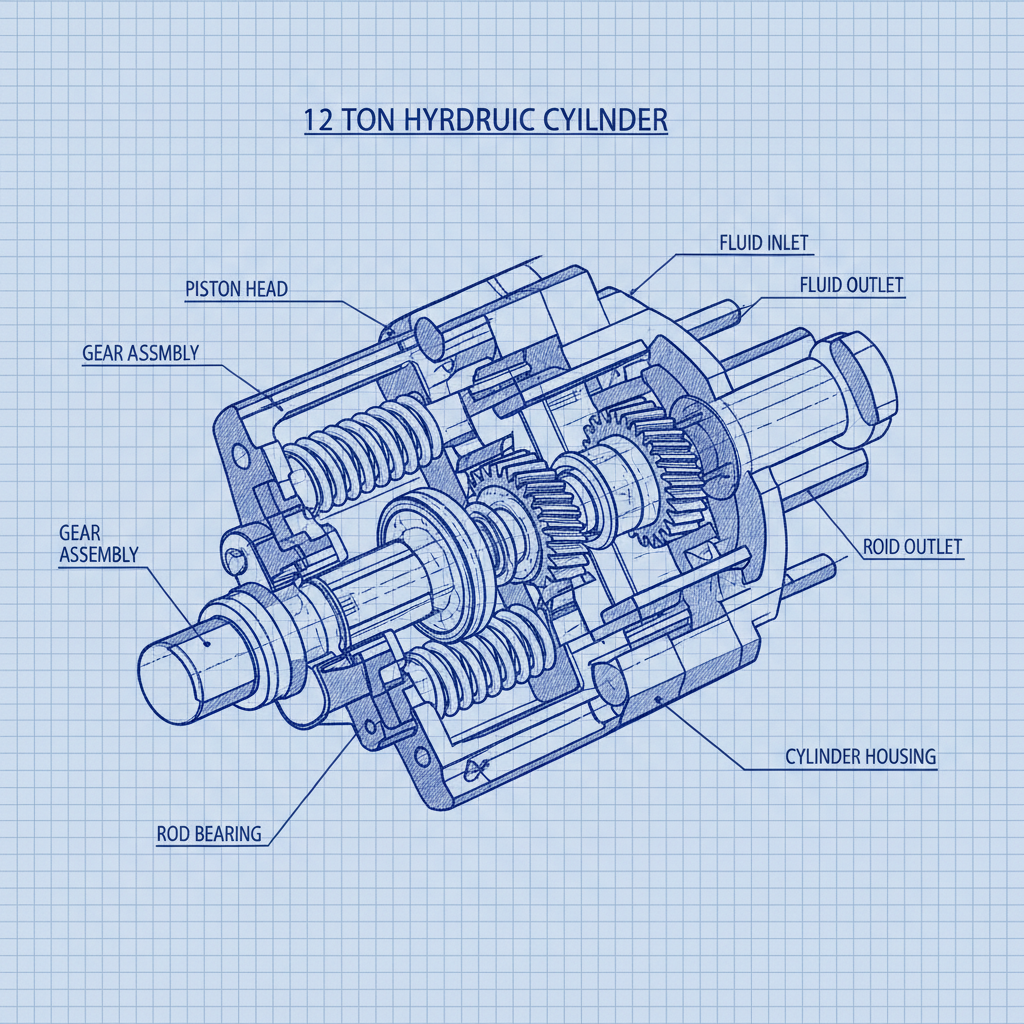
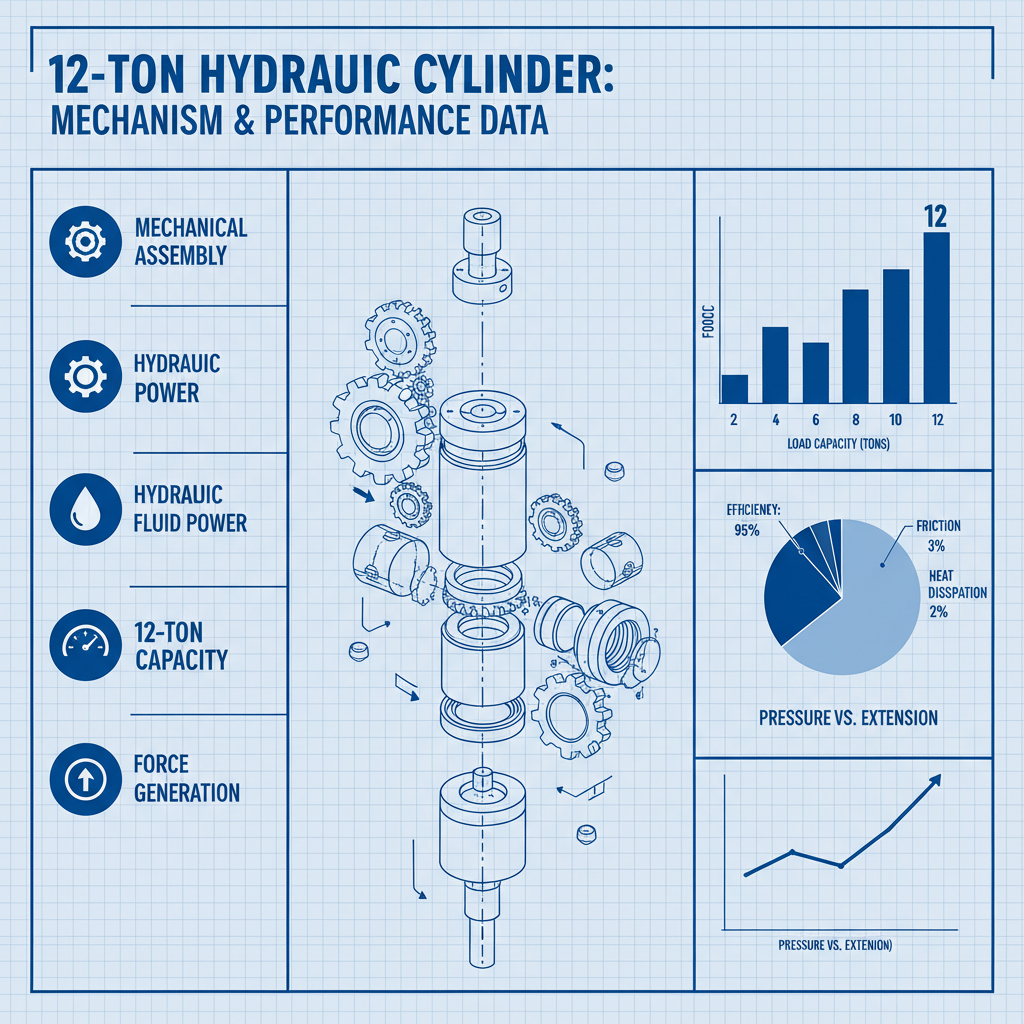
A 12 ton hydraulic cylinder, simply put, is capable of exerting a force of 12 tons (approximately 24,000 pounds or 108,862 Newtons). This force is generated by pressurized hydraulic fluid acting on a piston within the cylinder. The ‘ton’ rating refers to the maximum force the cylinder can safely and effectively apply. These cylinders are typically used in applications requiring substantial lifting, pushing, or pressing power. FCY Hydraulics specializes in manufacturing high-quality, durable cylinders tailored to meet specific industry demands.
Key Characteristics: High force capacity, robust construction, precise control, and suitability for demanding industrial environments.
The versatility of a 12 ton hydraulic cylinder makes it indispensable across several industries. Some of the most common applications include:
These cylinders provide the reliable power needed for these diverse operations, enhancing efficiency and reducing manual labor.
Choosing the right 12 ton hydraulic cylinder requires careful consideration of several key specifications. These include:
12 ton hydraulic cylinders come in two primary configurations: single-acting and double-acting. Single-acting cylinders exert force in one direction (extension) and rely on a spring or gravity for retraction. Double-acting cylinders generate force in both extension and retraction, providing more precise control and versatility. The choice between the two depends on the specific application requirements.
The following table highlights the key differences:
To maximize the lifespan and ensure safe operation of your 12 ton hydraulic cylinder, regular maintenance is essential. This includes inspecting for leaks, checking hydraulic fluid levels, and lubricating moving parts. Proper storage, away from corrosive environments, is also crucial. FCY Hydraulics provides comprehensive maintenance guidelines and support to our customers.
Investing in a high-quality 12 ton hydraulic cylinder from a reputable manufacturer like FCY Hydraulics is crucial for the efficiency and reliability of your operations. By carefully considering the specifications, application requirements, and maintenance procedures, you can ensure a long-lasting and safe performance. Don't compromise on power or durability – choose wisely for optimal results.
The lifespan of a 12-ton hydraulic cylinder varies significantly based on usage, operating conditions, and maintenance practices. Generally, with proper care, a well-built cylinder can last between 5 to 15 years. However, factors like exposure to harsh environments, frequent operation at maximum pressure, and inadequate lubrication can shorten its lifespan. Regular inspections, fluid changes, and seal replacements are crucial for extending the cylinder’s service life. FCY Hydraulics recommends annual inspections by a qualified technician to assess cylinder condition and identify potential issues.
The recommended hydraulic fluid depends on the operating temperature and the cylinder’s materials. Generally, ISO VG 46 or ISO VG 68 hydraulic oil is suitable for most 12-ton cylinders operating at moderate temperatures. For extreme temperatures, specialized fluids may be required. Always consult the cylinder’s manufacturer’s specifications for the correct fluid type. Using the wrong fluid can lead to seal damage, corrosion, and reduced cylinder performance.
Identifying leaks early is crucial to prevent further damage and maintain system efficiency. Common signs of a leaking hydraulic cylinder include a noticeable decrease in hydraulic fluid level, visible fluid around the cylinder’s seals, piston rod, or connections, and sluggish or inconsistent cylinder movement. Regular visual inspections are recommended. If a leak is detected, immediately shut down the system and address the issue. FCY Hydraulics offers replacement seals and repair services to address hydraulic leaks.