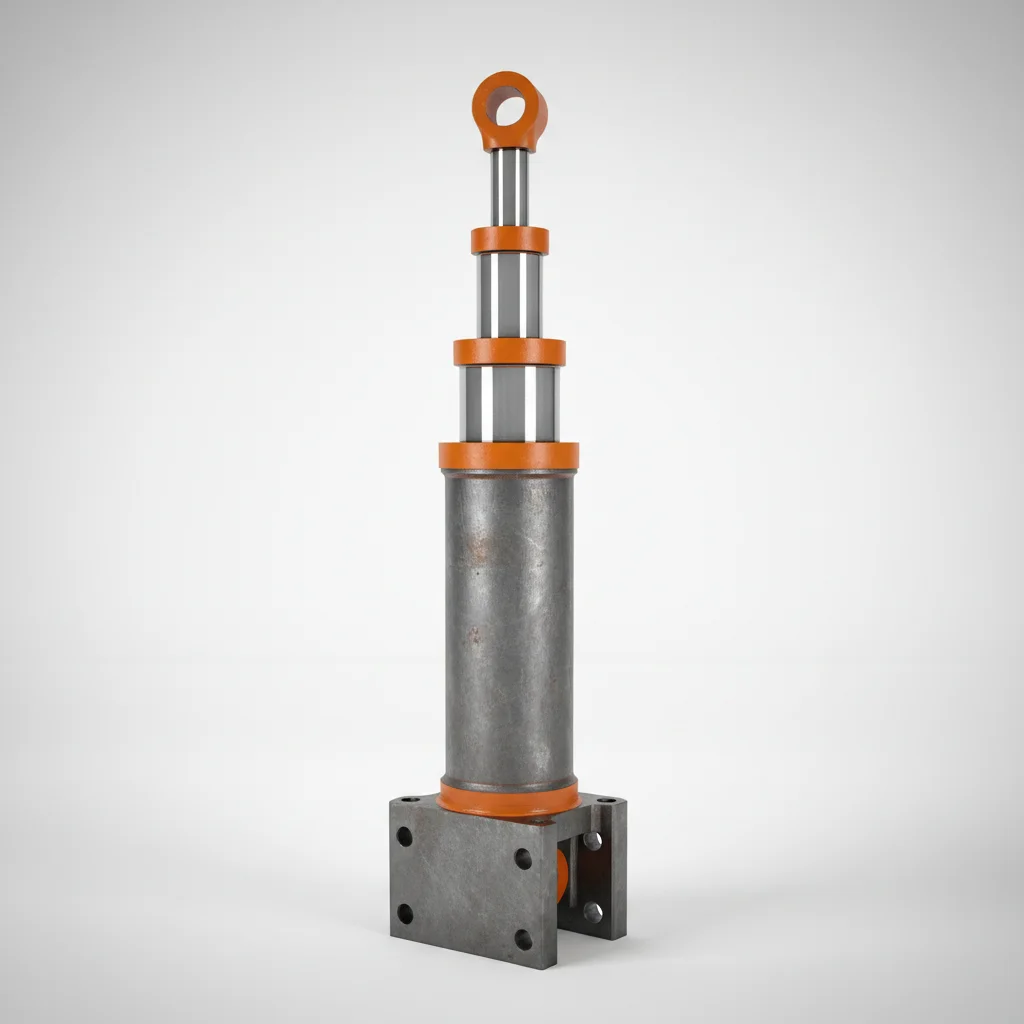
The 4x12 hydraulic cylinder is a versatile component widely used in various industries, including construction, agriculture, and manufacturing. Its robust design and ability to deliver significant force make it ideal for applications requiring linear motion. This article provides a comprehensive overview of the 4x12 hydraulic cylinder, exploring its features, common applications, and factors to consider when selecting the right cylinder for your needs. At FCY Hydraulics, we specialize in providing high-quality hydraulic cylinders, including the 4x12 model, engineered for performance and reliability. Understanding your specific requirements is key to maximizing the effectiveness of this powerful component.
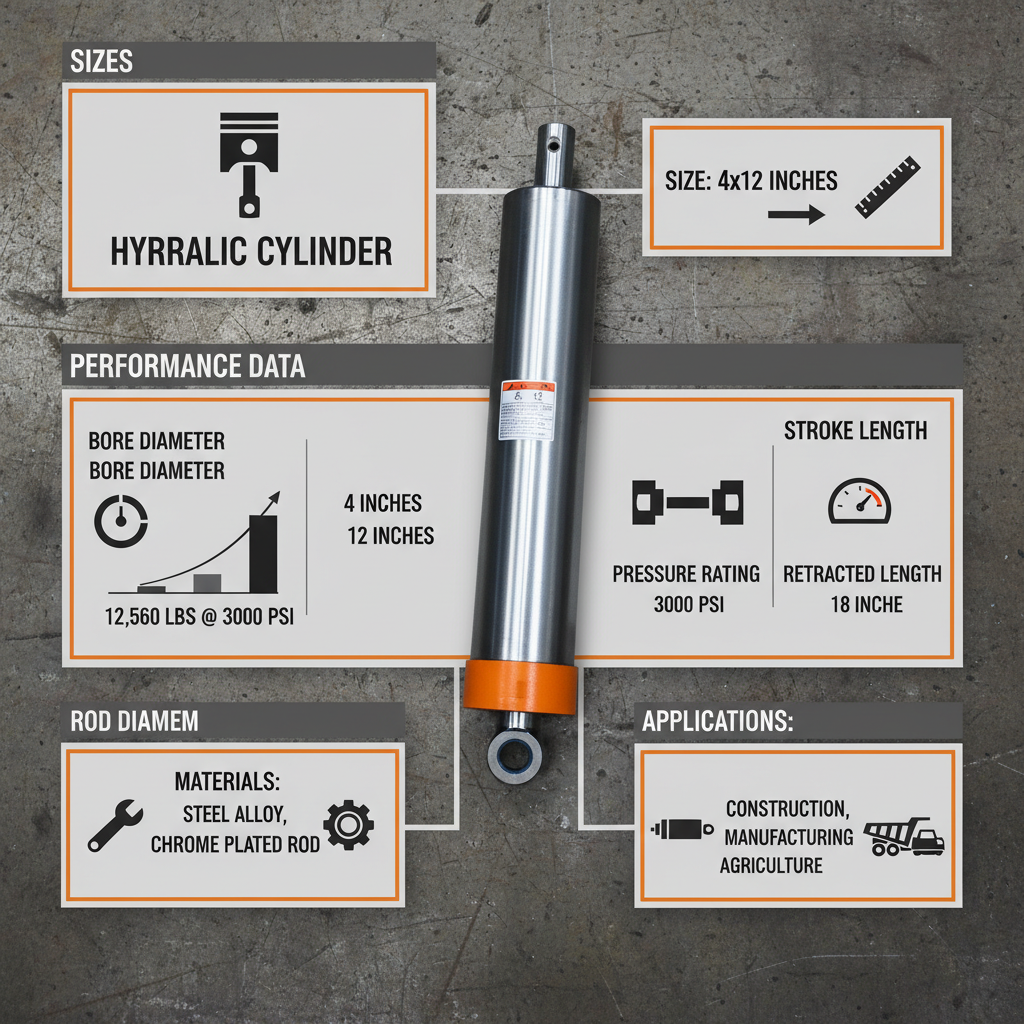
The designation "4x12" refers to the cylinder's dimensions: 4 inches bore diameter and 12 inches stroke length. The bore diameter (4 inches) determines the cylinder's force-generating capacity; a larger bore generally means more force. The stroke length (12 inches) dictates the distance the piston can travel within the cylinder. These dimensions are crucial for determining the cylinder’s suitability for a given application. The 4x12 cylinder provides a good balance between force and stroke, making it a popular choice for a wide range of projects. It’s important to note that while the standard size is 4x12, customization options are often available for unique needs.
Key Takeaway: The 4x12 hydraulic cylinder offers a powerful and reliable solution for applications demanding a balance of force and stroke length.
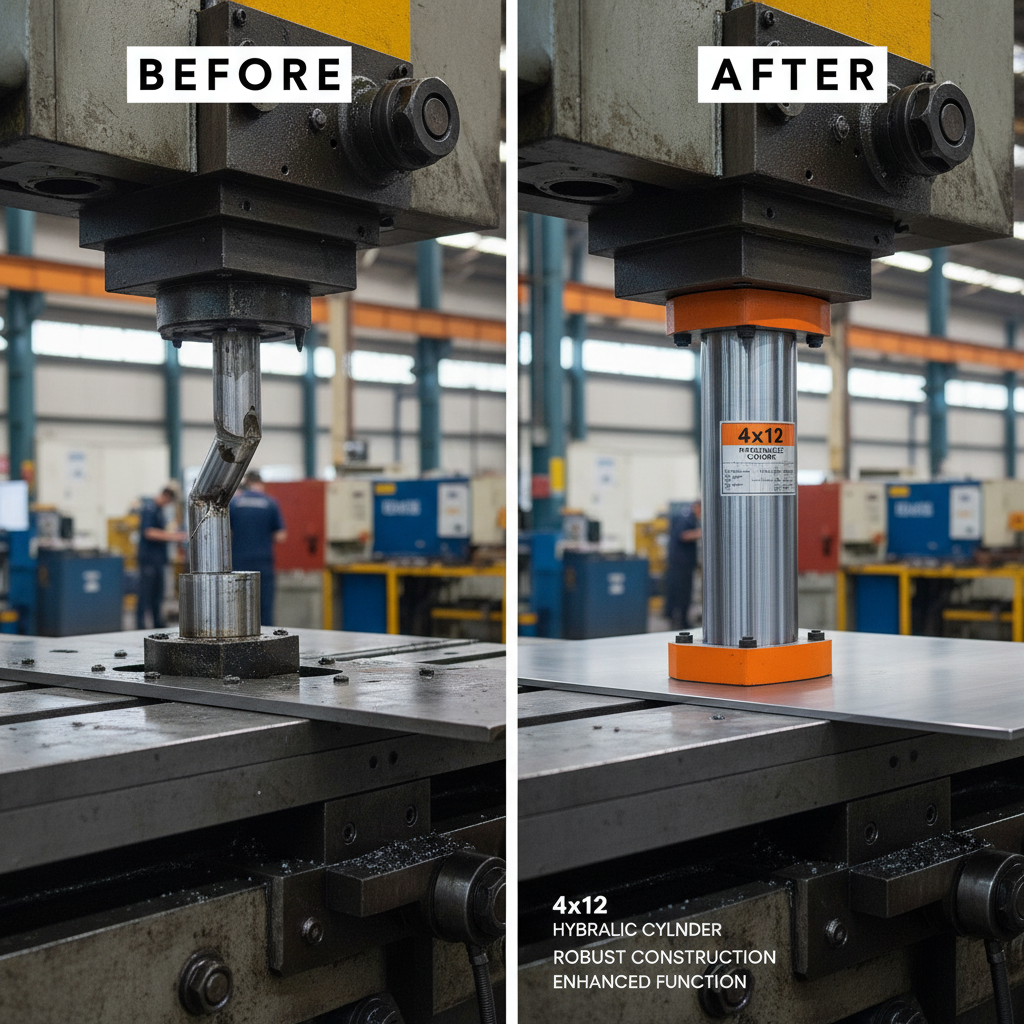
The 4x12 hydraulic cylinder finds extensive use in diverse applications. In agriculture, it powers the lifting and tilting mechanisms of tractors and farm equipment. In construction, it's used in excavators, loaders, and dump trucks for tasks like lifting, digging, and material handling. Manufacturing processes benefit from these cylinders in applications like pressing, clamping, and positioning. Moreover, they are integral to material handling equipment such as forklifts and pallet jacks. The robust construction and reliable performance of this cylinder make it ideal for demanding operational environments. FCY Hydraulics cylinders are engineered for these demanding applications.
Application Areas:
• Agriculture: Tractor loaders, implements
• Construction: Excavators, dump trucks
• Manufacturing: Presses, clamping systems
• Material Handling: Forklifts, pallet jacks
Hydraulic cylinders come in two main designs: single-acting and double-acting. A single-acting cylinder uses hydraulic pressure to move the piston in one direction, while a spring or gravity returns it to the original position. Double-acting cylinders, however, utilize hydraulic pressure for both extension and retraction. The 4x12 hydraulic cylinder is frequently available in both configurations, but double-acting cylinders offer greater control and versatility. Choosing the right type depends on the specific application's needs – if precise control and force in both directions are required, a double-acting cylinder is the preferred choice.
Choosing the right 4x12 hydraulic cylinder requires careful consideration of several factors. First, assess the required force and stroke length for your application. Next, determine whether a single-acting or double-acting cylinder is needed. Consider the operating environment: will the cylinder be exposed to harsh chemicals, extreme temperatures, or corrosive elements? Selecting materials resistant to these conditions is crucial for longevity. Finally, ensure the cylinder meets relevant safety standards and certifications. FCY Hydraulics offers expert guidance to help you select the optimal cylinder for your specific needs.
The 4x12 hydraulic cylinder is a powerful and versatile component critical to a wide range of industries. By understanding its features, applications, and the factors influencing selection, you can optimize performance and ensure reliability. At FCY Hydraulics, we are committed to providing high-quality 4x12 hydraulic cylinders engineered for durability and performance. Contact us today to discuss your specific requirements and find the perfect solution for your application.
The typical operating pressure for a 4x12 hydraulic cylinder ranges from 3,000 to 5,000 PSI (pounds per square inch), although it can vary depending on the specific design and application. It's crucial to match the cylinder's pressure rating to the hydraulic system's capabilities to ensure safe and efficient operation. Exceeding the maximum pressure rating can lead to cylinder failure and potential safety hazards. Always refer to the manufacturer's specifications for the recommended operating pressure.
4x12 hydraulic cylinders are commonly constructed from steel alloys, offering excellent strength and durability. The piston rod is often made from hardened chrome-plated steel to resist corrosion and wear. Cylinder bodies can be made from seamless steel tubing for high-pressure applications. Seals are typically made from materials like polyurethane or nitrile rubber to provide a leak-proof seal and withstand hydraulic fluid exposure. The choice of materials depends on the operating environment and the specific application requirements.
Selecting the appropriate mounting style is vital for proper cylinder operation and safety. Common mounting options include flange mounts, trunnion mounts, clevis mounts, and pin mounts. The best mounting style depends on the application's load requirements, range of motion, and space constraints. Flange mounts are suitable for fixed applications, while trunnion mounts allow for pivoting motion. Consult with an engineering professional or refer to the cylinder manufacturer's guidelines to determine the most appropriate mounting style for your specific needs.
Regular maintenance is crucial for extending the lifespan and ensuring the reliable operation of a 4x12 hydraulic cylinder. This includes regularly checking for leaks, inspecting the seals for wear and tear, and ensuring the hydraulic fluid is clean and at the correct level. Lubricating the piston rod and pivot points can also help prevent corrosion and reduce friction. Avoid over-pressurizing the cylinder and protect it from physical damage. Following the manufacturer's recommended maintenance schedule is essential for optimal performance.