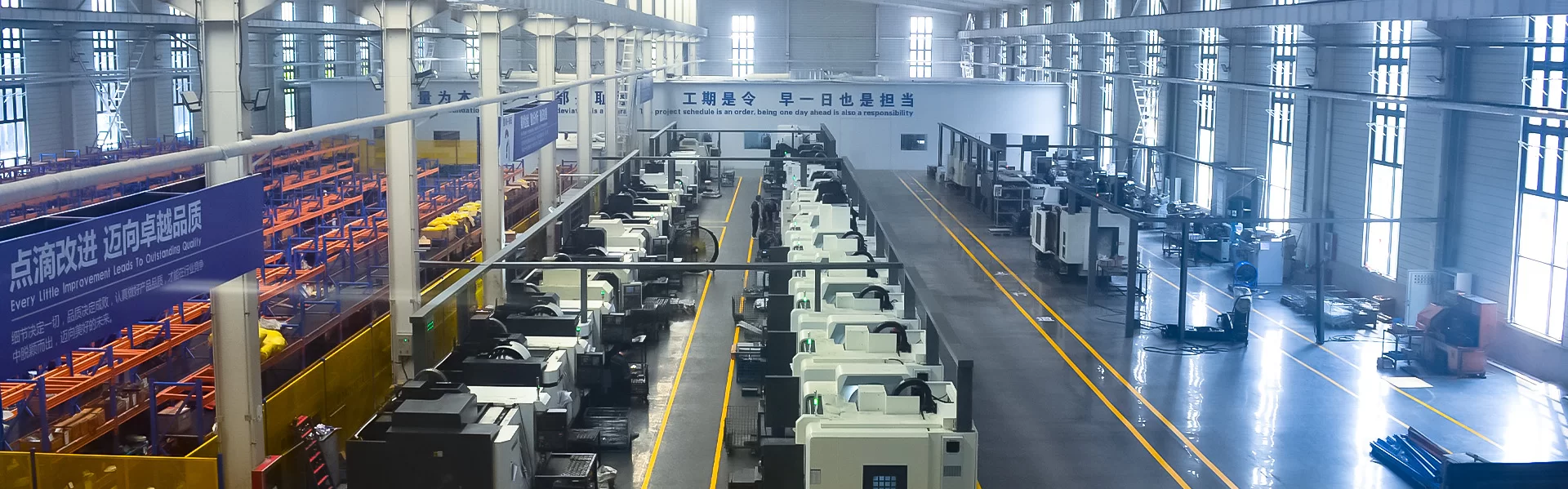
Gear pump companies might not be household names, but they quietly power a vast swath of modern machinery and industry. From hydraulic systems in construction equipment to chemical processing plants, their products are critical. Globally, as industries push for efficiency and reliability amidst tightening environmental regulations, understanding the value offered by a reputable gear pump company becomes essential—not just for engineers, but investors and operational leaders too.
Frankly, these companies hold a unique place in the global economy. According to the International Organization for Standardization (ISO), manufacturers producing precision pump components must achieve stringent quality certifications to meet global standards. This underscores the precision and trust built around gear pump companies worldwide.
At its core, a gear pump company designs, manufactures, and services gear pumps—specialized pumps that use the meshing of gears to move fluids with high pressure and consistent flow. You’ll find these pumps integrated in hydraulic machinery, lubrication systems, and even in food-grade applications. A good gear pump company not only delivers durable hardware but also expertise in fluid dynamics, materials engineering, and application design.
Their importance extends into modern industry’s push for automation, energy efficiency, and stringent safety. Plus, these pumps often supply essential fluid power in humanitarian contexts—like powering equipment for emergency water purification or fuel delivery in remote regions.
Gear pumps often operate under extreme conditions—high temperatures, abrasive fluids, or long duty cycles. Durable materials such as hardened steel or stainless steel, along with precise manufacturing techniques, extend pump life and reduce downtime. I once talked to a plant engineer who swore by a certain company’s pumps because they literally ran for years without a hitch.
While upfront price matters, total cost of ownership is what smart buyers watch. Gear pump companies that provide modular designs or customizable pumps can help optimize costs by matching performance to precise needs, minimizing waste or over-specification.
One size rarely fits all. Leading gear pump companies offer pumps from tiny units for lab equipment to massive industrial-grade models for oil refining. Customization options—like specialized seals or coatings—can tailor pumps to unique fluids or operating environments.
New materials like carbon composites or coatings that reduce friction are evolving fast. And frankly, the best gear pump companies have in-house R&D and responsive technical teams that help buyers troubleshoot or improve system integration, which sets them apart.
Mini takeaway: Gear pump companies cater to a broad spectrum of industries, showing how versatile and critical these solutions are globally.
Choosing a reliable gear pump company means you’re investing in equipment that delivers:
There’s also a sort of peace of mind knowing your operations depend on tried and tested technology, backed by engineering expertise—something a trusted gear pump company provides.
| Specification | Typical Range | Notes |
|---|---|---|
| Flow Rate | 0.1 to 500 L/min | Depends on pump size/model. |
| Operating Pressure | Up to 350 bar | High-pressure pumps for hydraulics. |
| Material | Steel, Stainless Steel, Bronze | Material chosen based on fluid. |
| Temperature Range | -40 to 200°C | Application dependent. |
| Efficiency | Up to 95% | Internal volumetric efficiency. |
| Company | Product Range | Customization | Global Reach | Tech Support |
|---|---|---|---|---|
| FCY Hydraulics | Wide, including specialty pumps | Extensive | Worldwide distribution | 24/7 Engineer hotline |
| Omega Pumps | Standard industrial sizes | Limited | Regional focus | Business hours only |
| Globex Pumps | High-end models, specialized fluids | Moderate | International hubs | In-depth training sessions |
One of the persistent challenges is balancing cost and durability. Customers want long-lasting pumps but at competitive prices. Materials innovation helps here; for example, new composite materials reduce wear without skyrocketing costs.
Another challenge is adapting to environmental regulations. Companies have to design pumps that minimize leaks or contamination. Many gear pump companies—like the gear pump company we mentioned—are embracing green technology, integrating IoT sensors for predictive maintenance that prevents failures before they occur.
Looking ahead, gear pump companies are moving towards smart pumps—embedded with sensors that track temperature, vibration, and flow rate in real time. These not only improve efficiency but also reduce unplanned downtime. Use of additive manufacturing (3D printing) for rapid prototyping and even final parts promises faster custom solutions and less waste.
On the sustainability front, pumps powered by renewable electricity and low-friction, eco-friendly materials are emerging. This focus aligns well with global efforts like the UN’s sustainable development goals (SDG).
Long-term, the choice of a gear pump company can mean the difference between seamless operations and costly interruptions. Such companies offer more than hardware—they provide engineering insight, reliability, and innovation that evolve alongside your industries.
If you want to explore high-quality options that combine durability, customization, and world-class technical support, consider checking out gear pump company offerings. Their solutions could very well power your next project with ease and confidence.
In the end, picking the right gear pump partner isn’t just about parts—it’s about reliability, safety, and future-proofing your industrial flow.