When it comes to industrial applications demanding substantial force, 100 ton hydraulic press cylinders are essential components. These robust cylinders are the workhorses of pressing, bending, and forming operations across diverse industries. This article provides a detailed exploration of these cylinders, covering their applications, design considerations, maintenance, and selection criteria. Understanding the nuances of these cylinders is critical for maximizing efficiency and ensuring workplace safety. Choosing the right cylinder for your needs is an investment in productivity and longevity.
100 ton hydraulic press cylinders find widespread use across numerous industries. In metalworking, they are crucial for forging, stamping, and deep drawing. The automotive industry relies on them for manufacturing body panels and components. The construction sector utilizes them in pressing and forming concrete and other materials. Furthermore, they are integral to recycling operations, compressing scrap metal and materials for efficient processing. Their ability to deliver consistent, powerful force makes them invaluable in a variety of production processes. FCY Hydraulics provides cylinders tailored for these diverse demands.
Key Industries Utilizing 100 Ton Cylinders: Metalworking, Automotive, Construction, Recycling, Manufacturing, Aerospace.
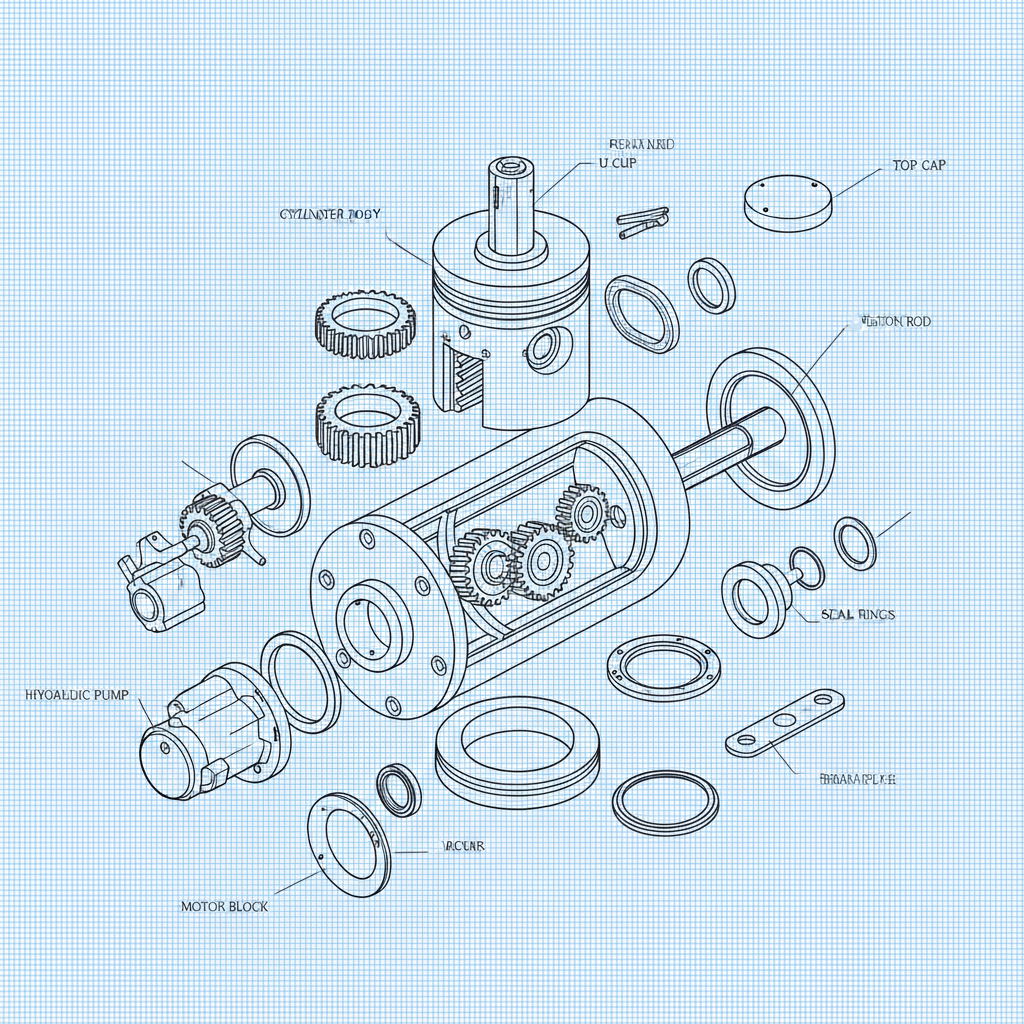
Designing a 100 ton hydraulic press cylinder requires careful consideration of several factors. Material selection is paramount – high-strength steel alloys are essential to withstand the immense pressures involved. Cylinder bore and rod diameter directly impact force output and stability. Sealing technology plays a critical role in preventing leaks and maintaining efficiency. Furthermore, the cylinder's mounting style (flange, trunnion, or clevis) must be compatible with the press structure. Proper design ensures longevity, reliability, and safe operation. FCY Hydraulics specializes in custom-engineered cylinders tailored to specific application requirements.
Critical Design Factors:
• Material Strength: High-grade steel alloys are essential.
• Bore & Rod Diameter: Determine force capacity and stability.
• Sealing Technology: Prevents leaks and maintains efficiency.
• Mounting Style: Ensures compatibility with the press structure.
Understanding the specifications of a 100-ton hydraulic cylinder is crucial for proper selection. Here's a table outlining common parameters:
When considering pressing solutions, it’s essential to compare hydraulic cylinders with mechanical alternatives. Hydraulic cylinders offer superior force control and precision, allowing for variable speed and pressure adjustments. They are also quieter in operation and require less maintenance than mechanical presses. However, they can be slower in cycle time and require hydraulic power units. Mechanical presses are faster but lack the same level of control and flexibility. The choice depends on the specific application requirements and production volume.
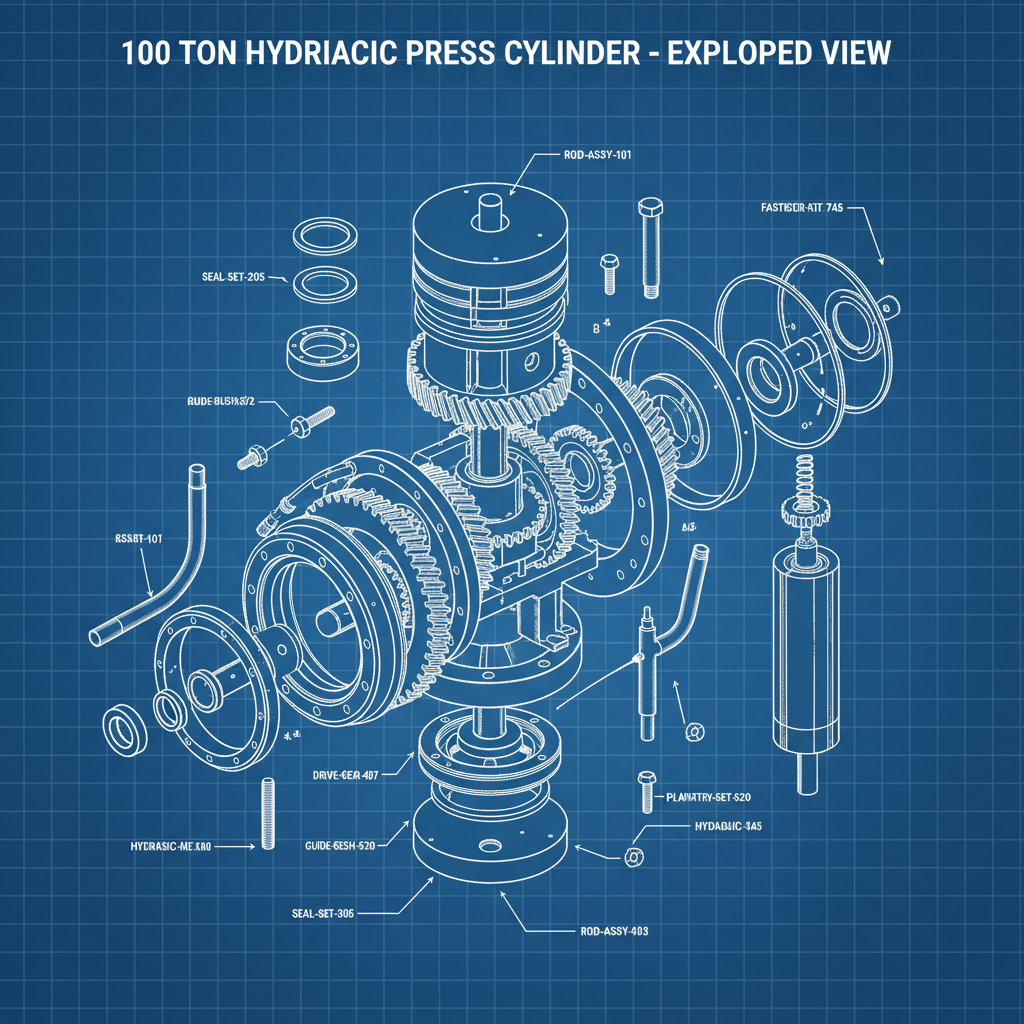
Proper maintenance is crucial for maximizing the lifespan of a 100 ton hydraulic press cylinder. Regular inspection for leaks, corrosion, and wear is essential. Maintaining clean hydraulic fluid and replacing filters at recommended intervals prevents contamination and ensures smooth operation. Lubricating all moving parts reduces friction and prevents premature failure. Following these guidelines will ensure reliable performance and minimize downtime. FCY Hydraulics offers comprehensive maintenance services and spare parts.
Selecting the right 100 ton hydraulic press cylinder is a critical decision impacting productivity, safety, and longevity. By understanding the application requirements, design considerations, and maintenance best practices, you can make an informed choice. Investing in a high-quality cylinder from a reputable manufacturer like FCY Hydraulics ensures reliable performance and minimizes the risk of costly downtime. Don't compromise on quality – choose the cylinder that best fits your needs.
The lifespan of a 100-ton hydraulic cylinder varies based on usage, maintenance, and operating conditions. With proper care, these cylinders can operate reliably for 10-15 years or more. Factors like consistent lubrication, clean hydraulic fluid, and adherence to pressure limits significantly impact longevity. Regular inspections to identify and address minor issues early on will also extend the cylinder's service life. The quality of the cylinder’s components, especially seals, is a major contributor to its durability.
The hydraulic fluid recommended for 100-ton press cylinders is typically a high-quality hydraulic oil with a viscosity of ISO VG 46 or VG 68. The specific type of fluid should be compatible with the cylinder's seals and materials. It's crucial to use a fluid that meets or exceeds the manufacturer's specifications to prevent damage and ensure optimal performance. Synthetic fluids may be suitable for extreme temperature applications, but always confirm compatibility.
Yes, FCY Hydraulics specializes in custom-building 100-ton hydraulic cylinders to meet specific application needs. This includes customizing stroke length, mounting configurations, rod diameters, and sealing materials. Customization ensures optimal performance and integration with your existing press system. We work closely with clients to understand their requirements and deliver tailored solutions.
Safety is paramount when operating a hydraulic press. Always wear appropriate personal protective equipment (PPE), including safety glasses, gloves, and safety shoes. Ensure the work area is clear of obstructions and personnel. Never exceed the cylinder's maximum pressure rating. Implement lockout/tagout procedures during maintenance. Regularly inspect the cylinder for leaks or damage. Train all operators thoroughly on safe operating procedures.