10 inch hydraulic cylinders are powerful components used in a wide array of industries for heavy-duty applications. From construction equipment to agricultural machinery and beyond, these cylinders convert hydraulic pressure into linear force. This guide will delve into the features, applications, selection criteria, and benefits of 10 inch hydraulic cylinders, providing valuable insights for engineers, purchasers, and anyone involved in hydraulic systems. Choosing the right cylinder is crucial for maximizing efficiency and ensuring the longevity of your equipment.
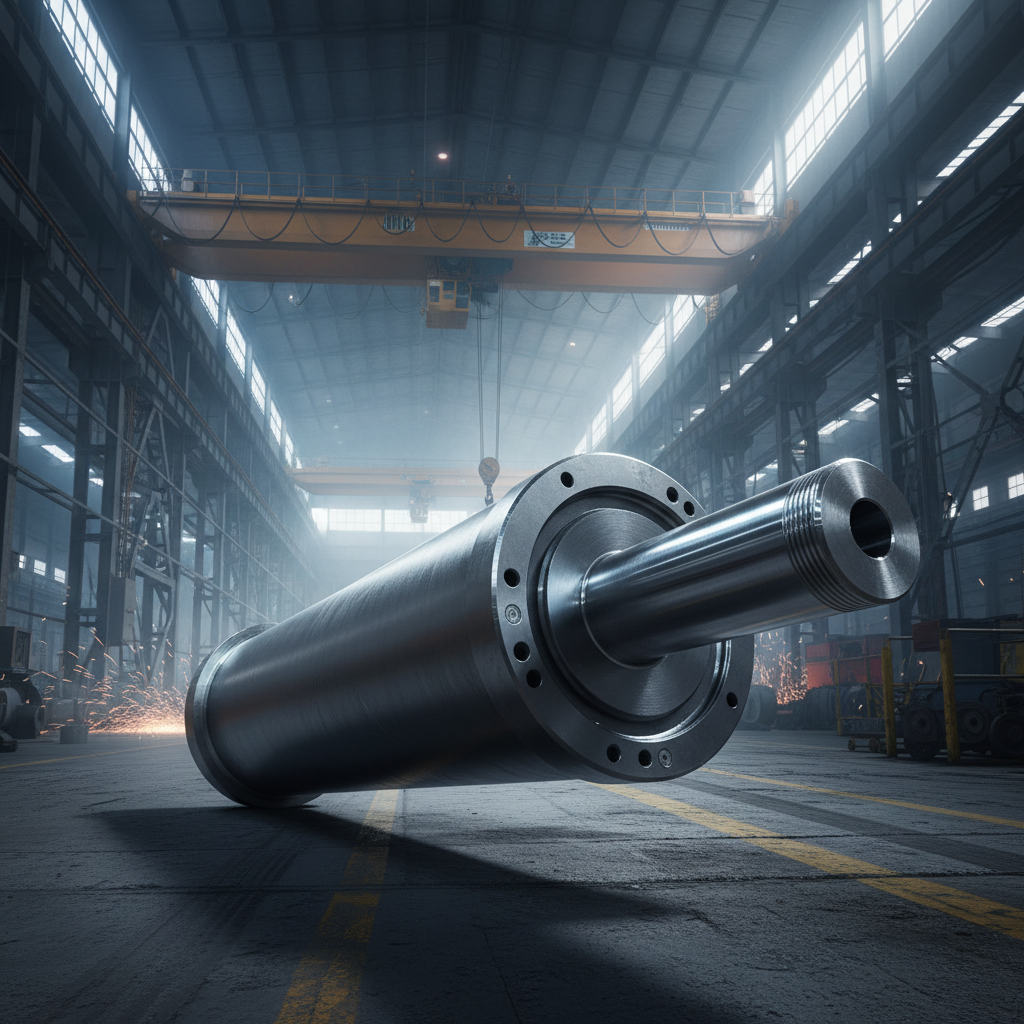
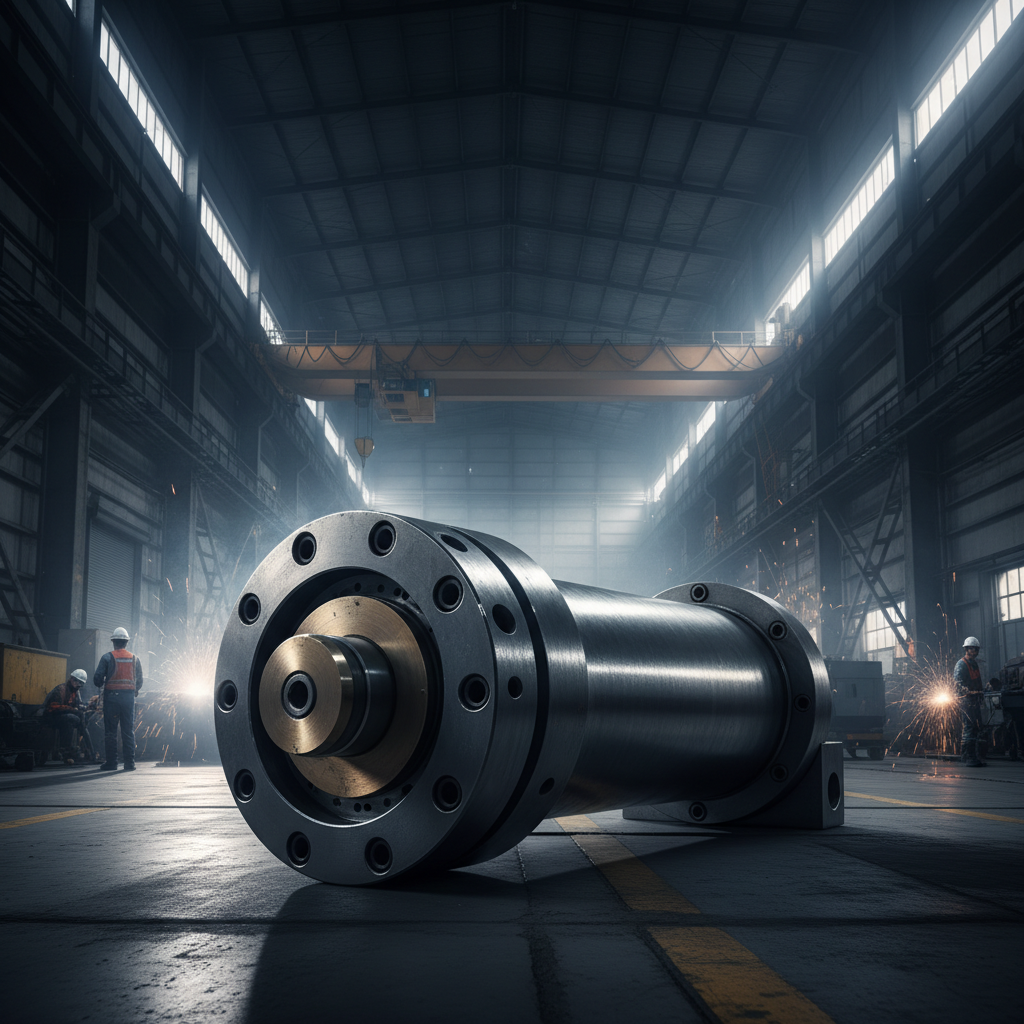
A 10 inch hydraulic cylinder, referring to its bore diameter, offers significant force output capabilities. Common features include a hardened chrome piston rod for corrosion resistance and durability, robust steel construction for withstanding high pressures, and a variety of mounting options to suit different applications. Seals play a critical role in preventing leakage and maintaining pressure, with materials like nitrile rubber, polyurethane, and Viton commonly used. The cylinder's design also considers factors like stroke length (the distance the piston travels), rod end configurations, and port sizes. FCY Hydraulics specializes in custom solutions to meet specific project requirements.
Key Highlights: 10 inch bore diameter delivers high force; hardened chrome piston rod for durability; versatile mounting options.
These cylinders find extensive use in heavy machinery. In construction, they power excavators, bulldozers, and cranes. Agriculture relies on them for tractors, harvesters, and loaders. Manufacturing industries use them in presses, injection molding machines, and metal forming equipment. Other applications include material handling, mining, forestry, and even marine equipment. The 10 inch size is particularly suitable for applications requiring substantial lifting, pushing, or pulling force.
Common Application Areas:
• Construction Equipment
• Agricultural Machinery
• Industrial Presses
• Material Handling Systems
Hydraulic cylinders are broadly categorized as single-acting or double-acting. Single-acting cylinders utilize hydraulic pressure to move the piston in one direction, with a spring or gravity returning it. Double-acting cylinders employ hydraulic pressure for both extension and retraction, offering greater control and force in both directions. Choosing between the two depends on the application’s needs. Double-acting cylinders are generally preferred for applications requiring precise control and significant force in both directions.
Several factors influence the selection of a 10 inch hydraulic cylinder. Consider the required force, stroke length, operating pressure, and environmental conditions. Mounting style is also critical for ensuring proper integration into the system. Choosing the appropriate seals based on the hydraulic fluid and temperature range is essential for preventing leaks and maintaining performance. Working with a reputable supplier like FCY Hydraulics can provide expert guidance and ensure you select the optimal cylinder for your specific application.
Utilizing a 10 inch hydraulic cylinder provides numerous benefits, including high force output, durability, reliability, and precise control. They can withstand demanding operating conditions and provide consistent performance over extended periods. Proper maintenance, including regular inspection and fluid changes, ensures optimal lifespan and minimizes downtime. Their versatility makes them suitable for a vast range of applications, and with careful selection, they can significantly enhance the efficiency and productivity of your equipment.
The 10 inch hydraulic cylinder is a critical component in countless industries. Understanding its features, applications, and selection criteria is paramount to maximizing the performance and longevity of your hydraulic systems. By choosing high-quality cylinders and implementing proper maintenance practices, you can ensure reliable and efficient operation for years to come.
The operating pressure for a 10 inch hydraulic cylinder can vary significantly based on the cylinder’s design and application. However, most standard 10-inch cylinders are rated for operating pressures between 3,000 and 5,000 PSI (pounds per square inch). Higher pressure ratings are available for specialized applications. It's crucial to select a cylinder with a pressure rating that matches or exceeds the system’s maximum operating pressure to ensure safe and reliable performance. Always check the manufacturer’s specifications before use.
Regular maintenance is vital for extending the life of a 10 inch hydraulic cylinder. This includes regularly checking for leaks, inspecting the piston rod for damage, and ensuring that the hydraulic fluid is clean and at the correct level. Fluid should be changed according to the manufacturer's recommendations. Also, it’s essential to protect the piston rod from corrosion and damage by using rod wipers and protective covers.
10 inch hydraulic cylinders are typically constructed from high-strength steel alloys for the barrel and end caps. The piston rod is often made from hardened chrome-plated steel for corrosion resistance. Seals are commonly made from materials like nitrile rubber, polyurethane, or Viton, depending on the hydraulic fluid and operating temperature. The choice of materials impacts the cylinder’s durability, performance, and resistance to wear and tear.
The stroke length is the distance the piston travels. To determine the correct stroke length, carefully assess the linear distance the cylinder needs to move the load. Consider any safety factors or additional travel required for the application. It’s generally best to slightly overestimate the required stroke length rather than underestimate it. Consulting with an experienced hydraulic engineer can help ensure you select the optimal stroke length for your specific needs.