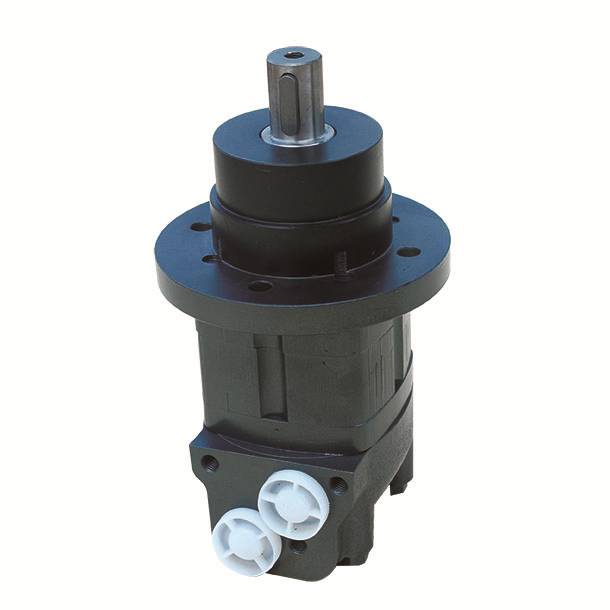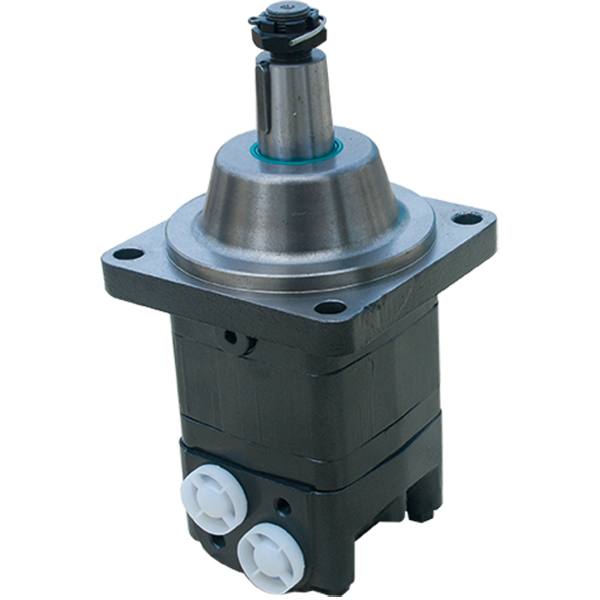
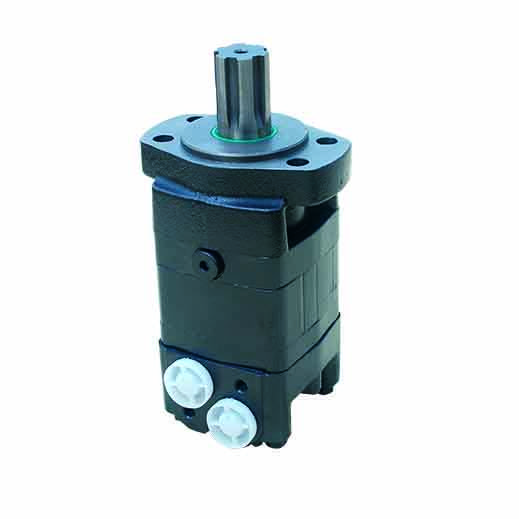
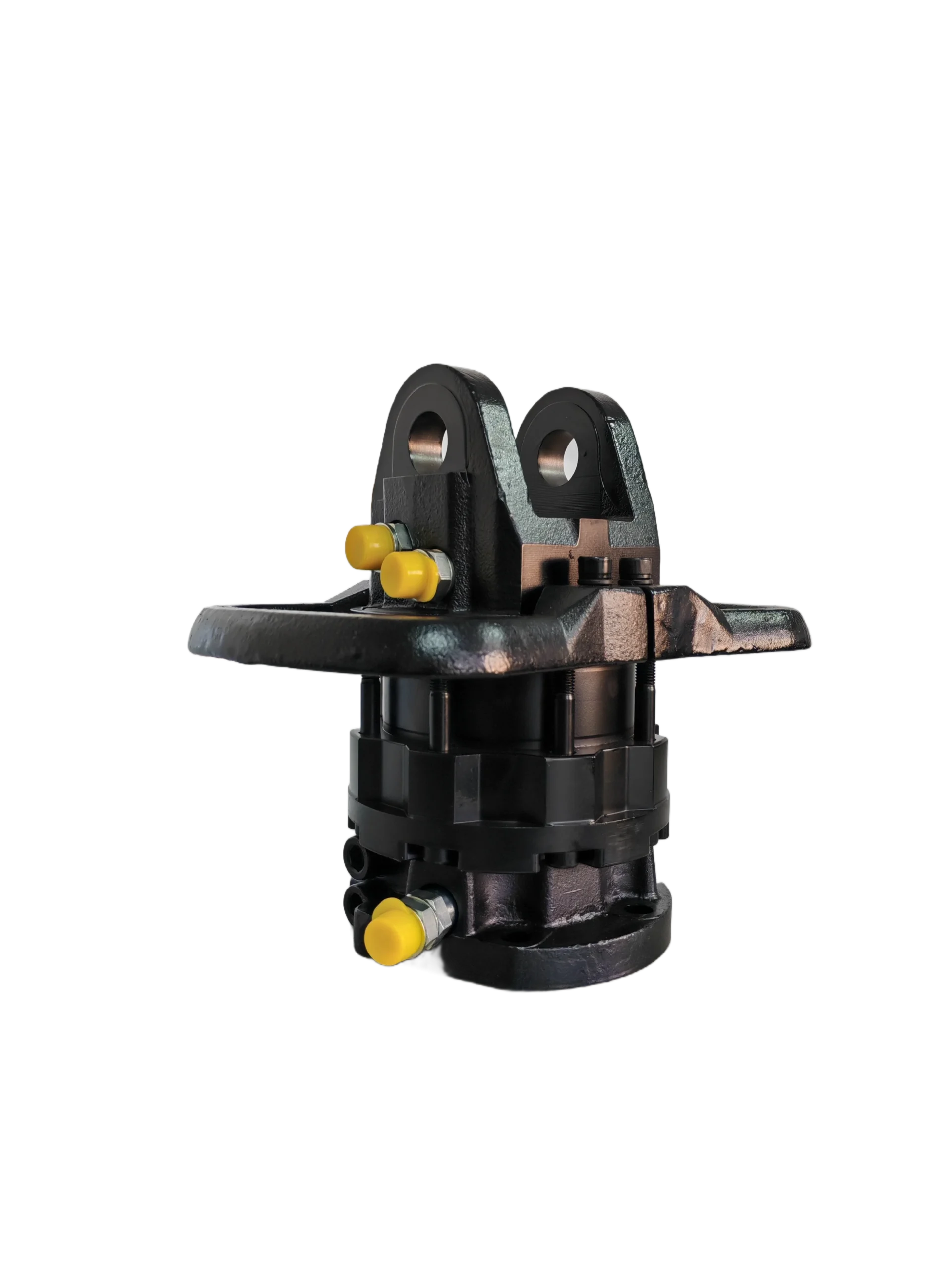
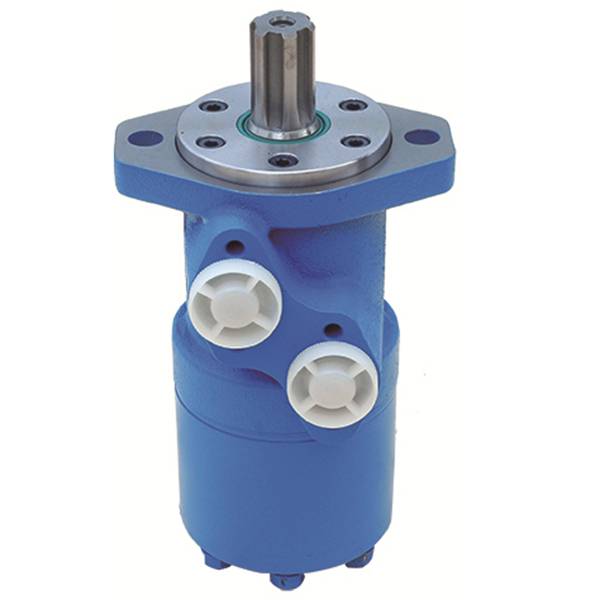
In Nigeria, the hydraulic equipment sector is heavily influenced by the oil and gas industry and a growing agricultural modernization wave. However, the extreme humidity and high ambient temperatures of the region often lead to rapid fluid degradation and seal failures in standard 250cc hydraulic motor units, necessitating specialized heat-resistant components.
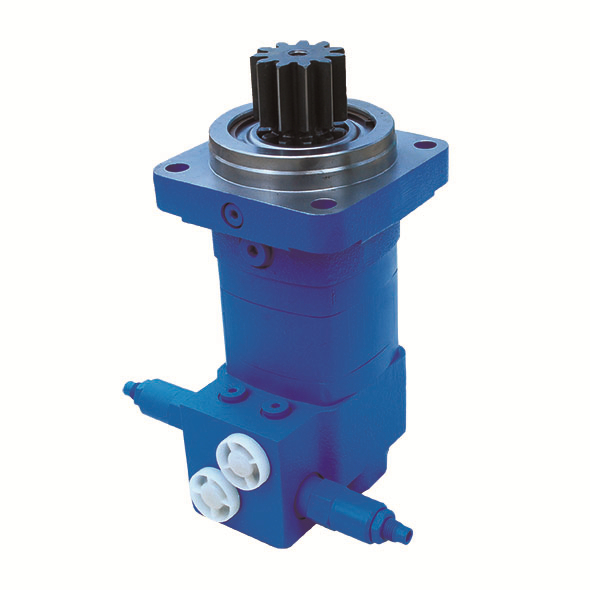
Furthermore, the prevalence of dusty environments in northern Nigerian construction sites puts immense pressure on filtration systems. Without precision-engineered components like the 6 spline hydraulic motor, mechanical wear increases significantly, leading to costly downtime for critical infrastructure projects.
Economic fluctuations in the Naira have shifted the market toward a "maintenance-first" approach. There is a surging demand for interchangeable, high-reliability parts such as the hydraulic traction motor that can be serviced locally without requiring complete system overhauls.