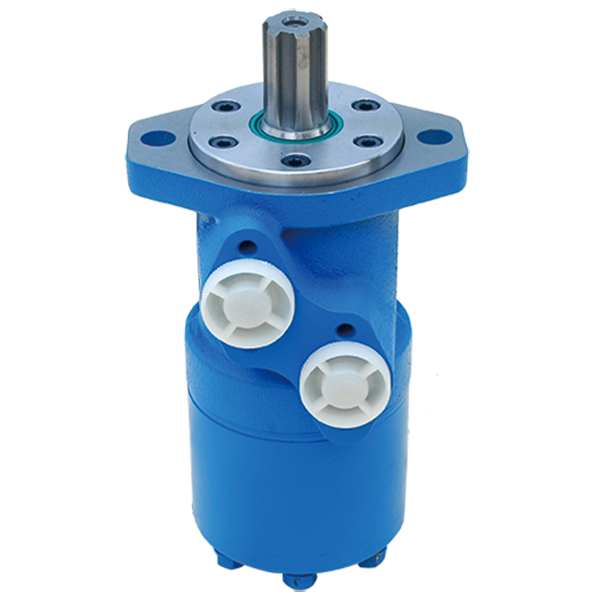
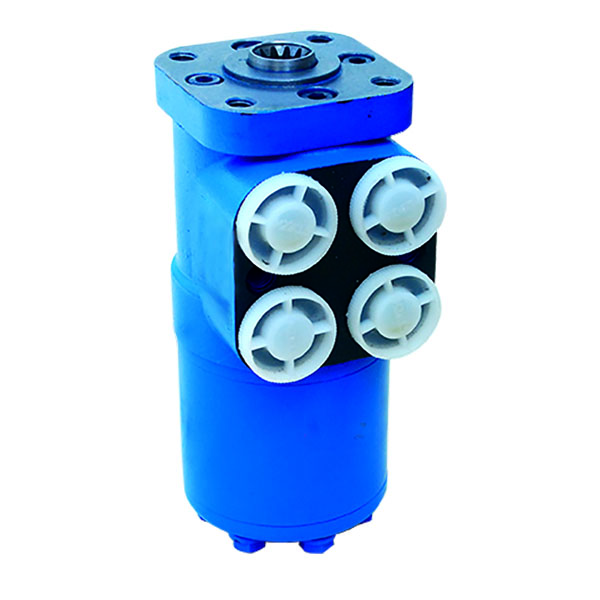
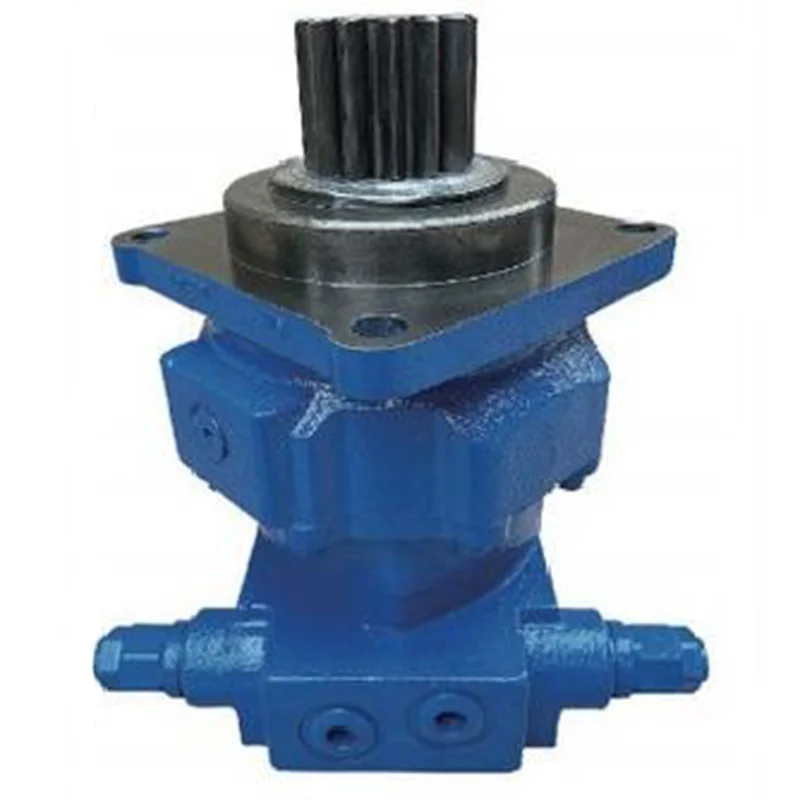
HomeGlobal ServicePrecision Hydraulic Drive Solutions for Japan Featuring radial piston type pump
Precision Hydraulic Drive Solutions for Japan Featuring radial piston type pump

Precision Hydraulic Drive Solutions for Japan: Featuring radial piston type pump

Engineering high-efficiency hydraulic components tailored for the rigorous demands of Japanese industrial automation and heavy machinery sectors.

Precision Hydraulic Drive Solutions for Japan: Featuring radial piston type pump

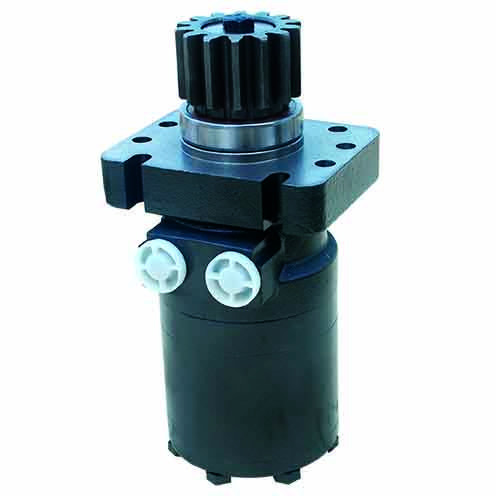
Our integrated approach to hydraulic power combines Japanese precision requirements with world-class durability, ensuring seamless operation of 6 spline hydraulic motor and high-torque systems.

The State of Hydraulic Component Manufacturing in Japan

Analyzing the intersection of high-density urbanization and industrial precision in the Japanese market.

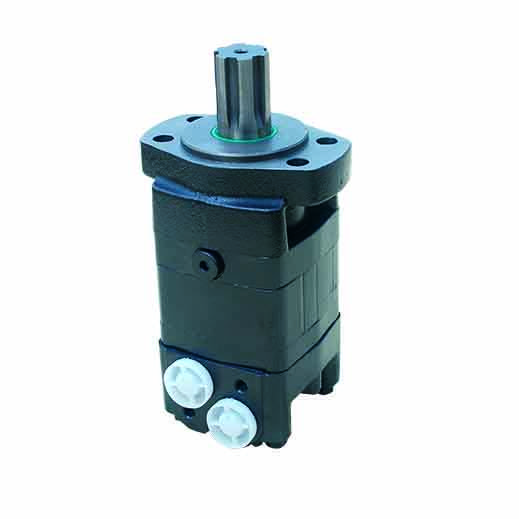
In Japan, the hydraulic industry is characterized by an extreme demand for miniaturization and energy efficiency. Given the limited spatial footprint of Japanese factories and the high cost of energy, the adoption of compact 250cc hydraulic motor units has become a standard for precision machinery.

The Japanese market is also heavily influenced by its commitment to "Monozukuri" (the art of making things), which places a premium on the tolerance levels of a hydraulic swivel motor. This results in a market environment where longevity and reliability outweigh initial procurement costs.

Furthermore, Japan's diverse geography—ranging from mountainous terrain to coastal industrial hubs—requires versatile traction solutions. This has led to an increased integration of the hydraulic traction motor in specialized logistics and agricultural equipment designed for steep inclines.
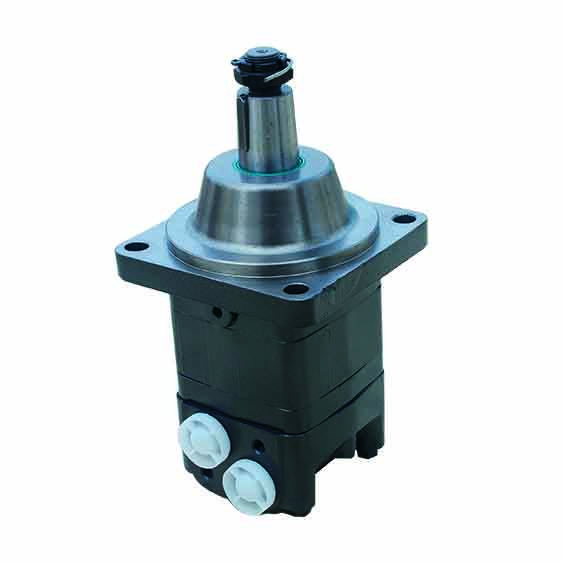
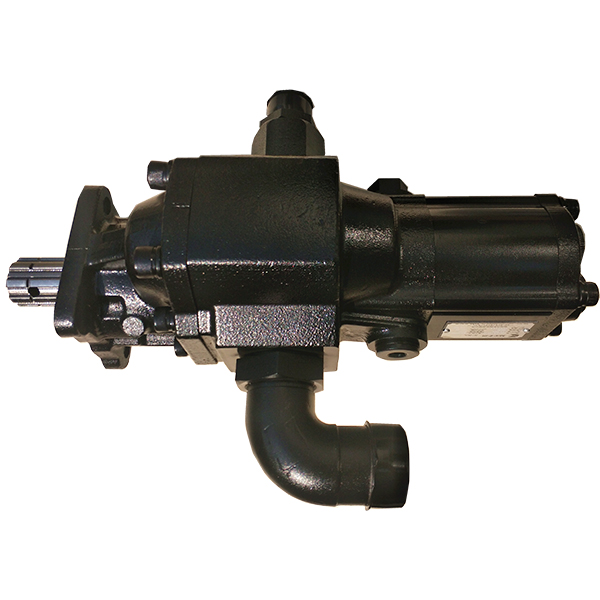
Evolution of Hydraulic Power in Japan

From traditional mechanical drives to intelligent, digitally integrated hydraulic systems.

Market Development History

During the late 20th century, Japan's hydraulic sector focused on mass-scale industrialization, relying on heavy-duty gear pumps and basic motor configurations for the automotive boom.

By the early 2000s, the focus shifted toward energy conservation and noise reduction. This era saw the rise of the radial piston type pump, which offered higher volumetric efficiency and lower operational noise, fitting the strict environmental regulations of Japanese urban zones.

In the last decade, the transition toward "Industry 4.0" has integrated sensors and electronic control valves with the 6 spline hydraulic motor, allowing for real-time torque adjustment and predictive maintenance.

Future Development Trends

Electrification Synergy

The trend is moving toward hybrid systems where electric servos complement the hydraulic traction motor to reduce carbon emissions in line with Japan's 2050 Net Zero goal.

Nano-Coating for Wear Resistance

Expect a surge in DLC (Diamond-Like Carbon) coatings for internal components of the 250cc hydraulic motor to extend service intervals in high-cycle applications.

Intelligent Swivel Integration

Future hydraulic swivel motor designs will likely incorporate embedded IoT sensors for autonomous leak detection and pressure monitoring.

Industry Outlook and Technological Forecasting

Strategic projections for the next 3-5 years in the Japanese hydraulic sector.

Smart Power Management
Transitioning to variable-displacement systems that optimize flow according to real-time load demands.
Eco-Friendly Fluids
Shift towards biodegradable hydraulic oils to meet strict Japanese environmental safety standards.
Compact Modularization
Developing plug-and-play hydraulic manifolds to reduce installation time in tight urban spaces.
AI-Driven Diagnostics
Using machine learning to analyze pressure pulses for failure prediction in radial pumps.

Industry Outlook

The Japanese market is moving toward a convergence of mechanical strength and digital intelligence. The demand for high-torque, low-speed solutions will grow as automation expands into the agricultural and elderly-care equipment sectors.

Based on Google search trend data, there is a rising interest in "energy-saving hydraulics" and "compact motor replacement," indicating a strong market appetite for upgraded 250cc hydraulic motor systems that offer higher power density.

Localized Application Scenarios in Japan

Practical implementations of high-performance hydraulic components across various Japanese industries.

1. Precision Robotics in Nagoya Automotive Hubs

Utilizing the 6 spline hydraulic motor for high-precision articulation arms in vehicle assembly lines, ensuring micron-level accuracy.

2. Urban Waste Management Systems in Tokyo

Integration of the 250cc hydraulic motor in compact refuse collection vehicles to maximize power in narrow city alleyways.

3. Coastal Infrastructure Maintenance in Osaka

Employing the radial piston type pump in heavy-duty dredging and pier reinforcement machinery to withstand corrosive saline environments.

4. Mountainous Agriculture in Hokkaido

Application of the hydraulic traction motor in specialized slope-climbing tractors for potato and beet farming.

5. Advanced Semiconductor Logistics in Kyushu

Using the hydraulic swivel motor for automated clean-room transfer platforms requiring smooth, continuous rotation without fluid leakage.

Brand Story

Global Development Journey of Hebei FCY Trade Co., Ltd.

Foundational Excellence

Established with a vision to bridge the gap between raw industrial power and precision engineering in the hydraulic sector.

Technical Specialization

Developed a core competency in high-torque components, focusing on solving the inefficiency of traditional pump-motor couplings.

Global Market Expansion

Expanded our reach to the Japanese market, adapting our standards to meet the rigorous "Monozukuri" quality requirements.

Innovation Leadership

Invested in R&D to create hybrid hydraulic-electronic systems that reduce energy waste by up to 30%.

Sustainability Mission

Committed to providing eco-friendly hydraulic solutions that empower global industry while protecting the planet.

Common Technical Inquiries in Japan

Expert answers to the most frequent questions regarding hydraulic component integration.

How does the radial piston type pump improve energy efficiency in urban machinery?

The radial piston type pump reduces internal leakage and offers higher volumetric efficiency, which minimizes heat generation and lowers electricity consumption in compact urban settings.

What are the compatibility advantages of a 6 spline hydraulic motor for Japanese robotics?

The 6 spline configuration provides a standardized, high-torque connection that ensures precise power transmission and easy replacement within automated assembly lines.

Can a 250cc hydraulic motor handle high-cycle operations in waste management?

Yes, our 250cc models are engineered with reinforced seals and wear-resistant alloys specifically to handle the frequent start-stop cycles typical of urban refuse vehicles.

What is the best way to maintain a hydraulic swivel motor in coastal environments?

We recommend using corrosion-resistant housings and high-viscosity synthetic oils to prevent salt-air penetration into the internal bearings of the swivel motor.

How does the hydraulic traction motor perform on steep Japanese mountain slopes?

The high starting torque and precise speed control of our traction motors allow vehicles to maintain steady ascent and safe descent on inclines exceeding 20 degrees.

Are these components compatible with biodegradable hydraulic fluids?

Absolutely. All our modern radial pumps and motors use seal materials (such as Viton) that are fully compatible with eco-friendly biodegradable oils.

Connect With Our Engineering Team

Ready to optimize your hydraulic systems? Our experts provide localized support for all industrial needs in Japan.

Contact Us Now

If you are interested in our products, you can choose to leave your information here, and we will be in touch with you shortly.