The 4 x 8 hydraulic cylinder is a commonly used component in various industries, prized for its power and reliability. This article provides an in-depth look at its specifications, applications, benefits, and considerations for selecting the right cylinder for your needs. We will also explore its role in boosting operational efficiency and reducing downtime. Understanding these cylinders is crucial for anyone involved in hydraulic systems.
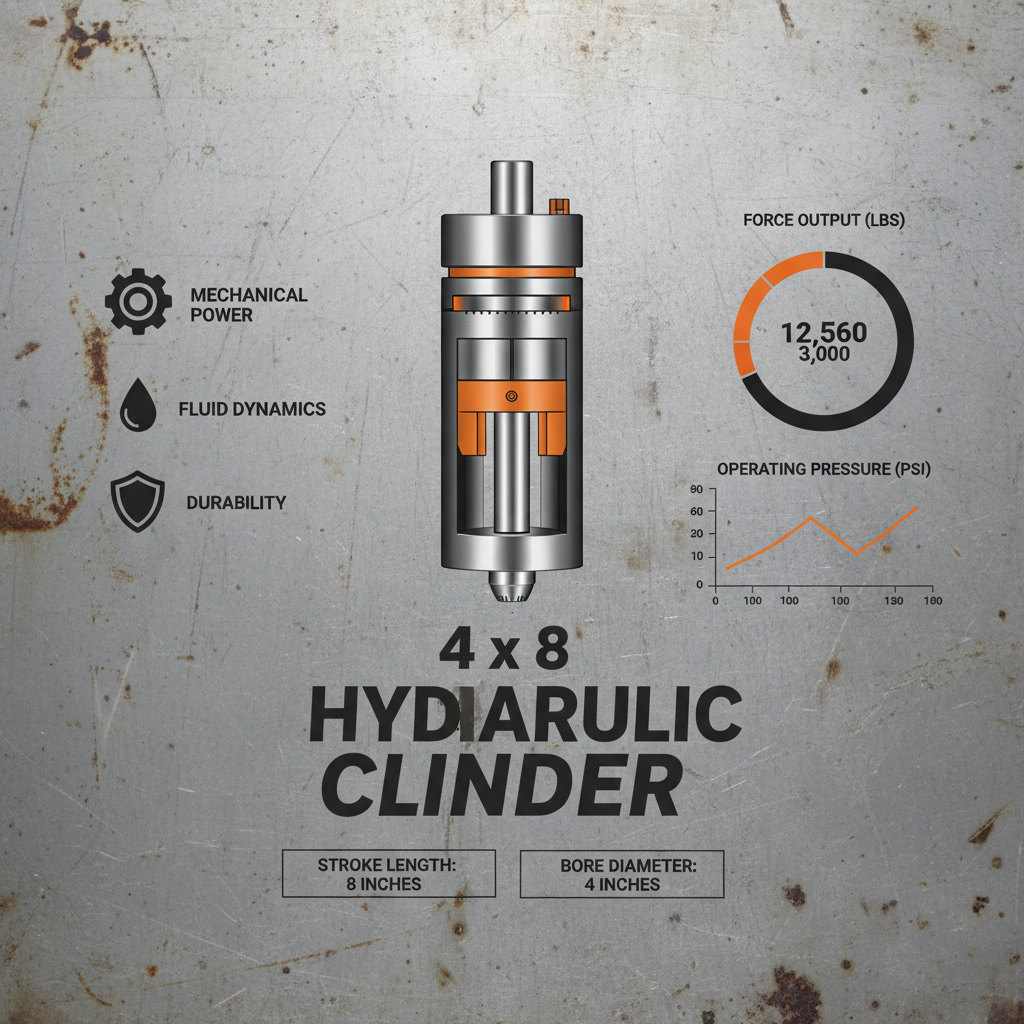
The designation "4 x 8" refers to the cylinder’s bore and stroke dimensions. '4' indicates a 4-inch bore (the internal diameter of the cylinder), and '8' signifies an 8-inch stroke (the distance the piston travels). These dimensions directly impact the cylinder's force output and range of motion. A larger bore generally translates to greater force, while a longer stroke allows for more extensive movement. FCY Hydraulics offers a range of customizations to meet specific operational requirements.
Key Takeaway: The 4" bore provides substantial force, while the 8" stroke offers a versatile range of motion, making it suitable for various applications.
The 4 x 8 hydraulic cylinder is a workhorse in numerous industries. Popular applications include:
Choosing a 4 x 8 hydraulic cylinder offers several advantages. These cylinders provide:
Key Benefits at a Glance:
• High force output for heavy-duty tasks.
• Durable construction ensures longevity.
• Smooth and precise operation.
• Adaptable to diverse applications.
4 x 8 hydraulic cylinders come in two primary configurations: single-acting and double-acting. Understanding the differences is crucial for application-specific selection. Single-acting cylinders use hydraulic pressure for one direction of movement (usually extending) and rely on a spring or gravity for retraction. Double-acting cylinders use hydraulic pressure for both extension and retraction, offering more control and force in both directions. FCY Hydraulics can advise on the best type for your requirements.
Choosing the correct cylinder requires careful consideration of several factors:
The 4 x 8 hydraulic cylinder remains a vital component in a wide range of applications. Its robust design, high force capacity, and versatility make it an ideal solution for demanding tasks. By carefully considering the factors outlined in this guide and partnering with a trusted supplier like FCY Hydraulics, you can ensure optimal performance and longevity.
The lifespan of a 4 x 8 hydraulic cylinder can vary significantly depending on factors like usage intensity, operating environment, and maintenance. With proper lubrication and regular inspections, a well-maintained cylinder can last for 5-10 years or even longer. However, exposure to corrosive substances, extreme temperatures, or overloading can drastically reduce its lifespan. Look for signs of wear, such as leaks, corrosion, or damage to the seals, and address them promptly to maximize the cylinder’s longevity.
The appropriate hydraulic fluid depends on the cylinder’s operating temperature and the system’s requirements. Generally, ISO VG 46 is a commonly recommended fluid for moderate temperature applications. For extreme temperatures, specialized fluids with higher or lower viscosity may be necessary. Always consult the cylinder manufacturer's specifications to determine the most suitable fluid. Using the wrong fluid can lead to decreased performance, increased wear, and potential damage to the cylinder.
Regular inspections are crucial for maintaining the reliability and safety of a 4 x 8 hydraulic cylinder. A visual inspection should be performed at least monthly, focusing on signs of leaks, corrosion, damage to the cylinder body, and wear on the seals. More comprehensive inspections, including pressure testing and internal component checks, should be conducted annually or as recommended by the manufacturer. Proper documentation of inspection results is also important for tracking performance and identifying potential issues.