In the complex intersection of environmental management and industrial maintenance, bird protection netting serves as a critical barrier that prevents avian interference in sensitive infrastructure. From preventing nest building in high-voltage electrical arrays to protecting high-value agricultural yields, the implementation of specialized netting systems ensures operational continuity and safety.
Globally, the challenge of managing bird populations without harming the wildlife is a priority for sustainable development. The strategic deployment of bird protection netting allows industries to mitigate the risks of corrosion from droppings and the mechanical failures caused by nesting materials, all while adhering to international wildlife protection standards.
Understanding the nuances of material science, mesh sizing, and installation techniques is essential for maximizing the lifespan of these systems. By integrating high-density polyethylene (HDPE) and UV-stabilized polymers, modern bird protection netting offers a durable, long-term solution that balances commercial efficiency with ecological responsibility.
Global Relevance of Bird Protection Netting
On a global scale, the economic impact of avian interference is staggering, particularly in the aviation, energy, and agriculture sectors. Airports worldwide report thousands of "bird strikes" annually, necessitating the use of high-tensile bird protection netting to secure perimeter fences and waste management areas, thereby reducing the attraction of flocks to runways.
Furthermore, ISO standards for industrial facility maintenance highlight the need for preventive measures against organic contaminants. Bird droppings are highly acidic and can lead to the rapid degradation of structural steel and hydraulic components in outdoor machinery. By implementing rigorous netting protocols, companies reduce their maintenance overhead and extend the operational life of their hardware assets.
Defining Bird Protection Netting in Modern Industry
At its core, bird protection netting is a specialized physical barrier engineered from synthetic fibers designed to exclude birds from specific areas without causing them physical harm. Unlike traditional deterrents, these nets provide a constant, passive solution that does not require electricity or chemical applications, making them an environmentally sound choice for long-term infrastructure protection.
In the context of modern manufacturing and hydraulic installations, this netting is often used to shield open-air storage areas where precision components, such as gear pumps or hydraulic cylinders, are kept. Preventing birds from nesting in these areas prevents the accumulation of debris that could contaminate hydraulic fluids or damage sensitive seals during the assembly process.
The evolution of these systems has moved from simple nylon meshes to advanced, UV-stabilized polymers. This transition ensures that the netting can withstand extreme temperature fluctuations and intense solar radiation, which is crucial for facilities located in arid or tropical industrial zones where material fatigue is a common failure point.
Core Components of High-Performance Netting
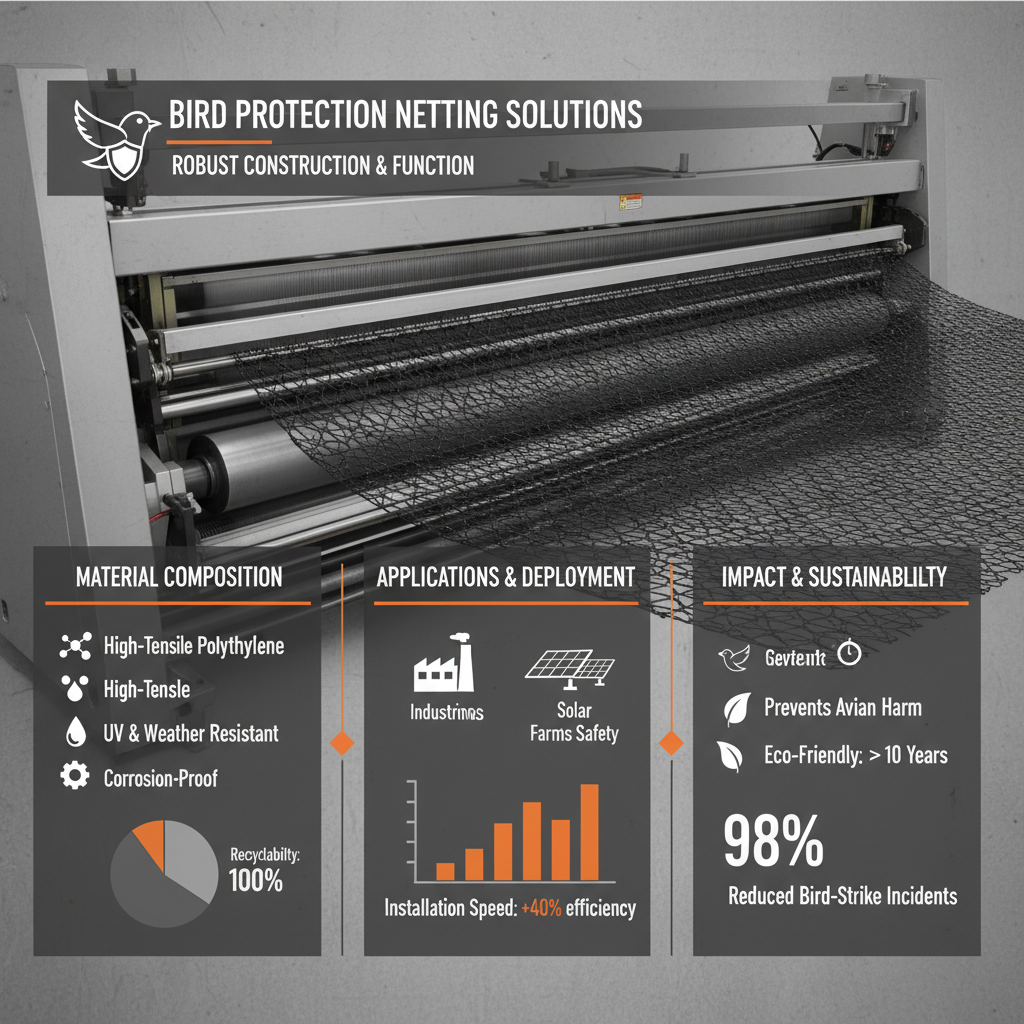
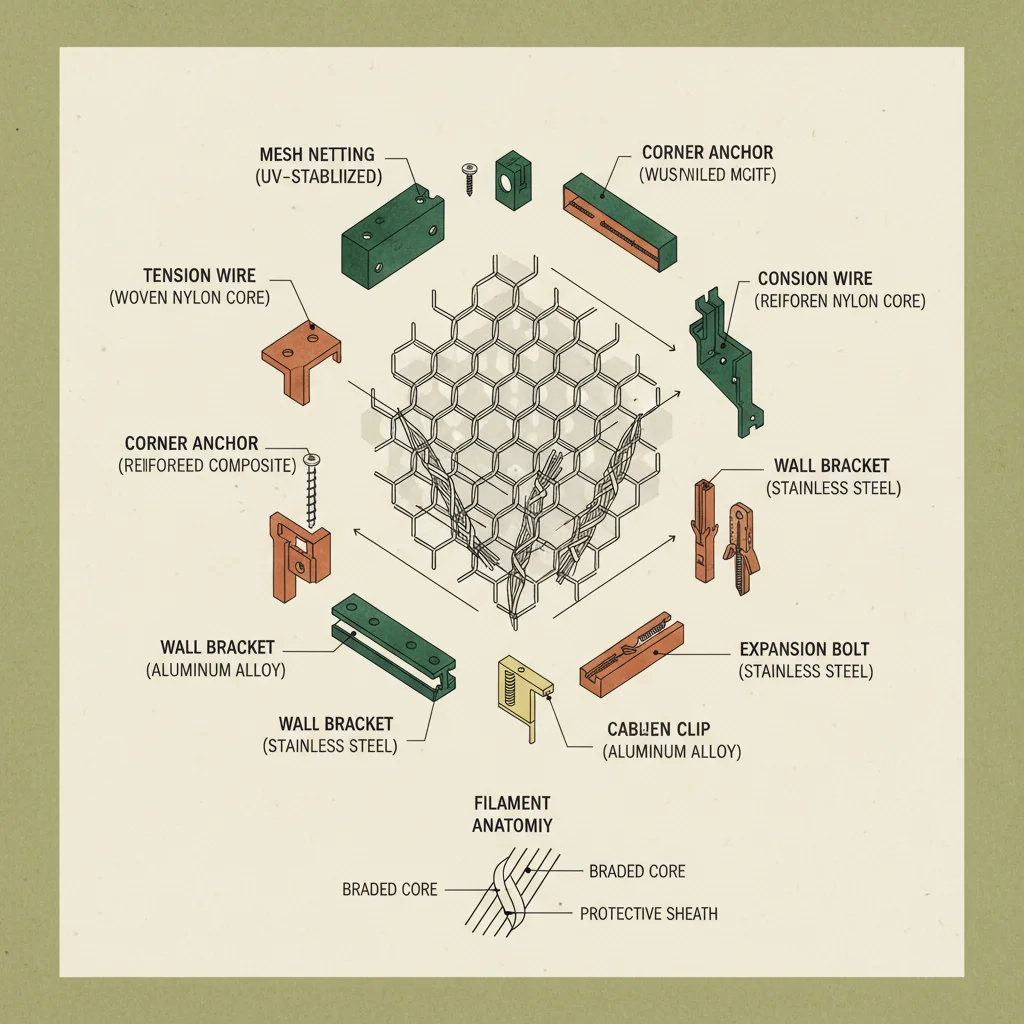
The effectiveness of bird protection netting depends primarily on its material composition. High-density polyethylene (HDPE) is the industry standard due to its exceptional strength-to-weight ratio and resistance to chemical corrosion, ensuring that the barrier remains intact even in saline coastal environments.
Mesh size is another critical component; the apertures must be small enough to exclude the target species—such as pigeons or starlings—while remaining large enough to allow for airflow and light penetration. This balance prevents the netting from acting as a wind sail, which could otherwise place excessive stress on the supporting structures.
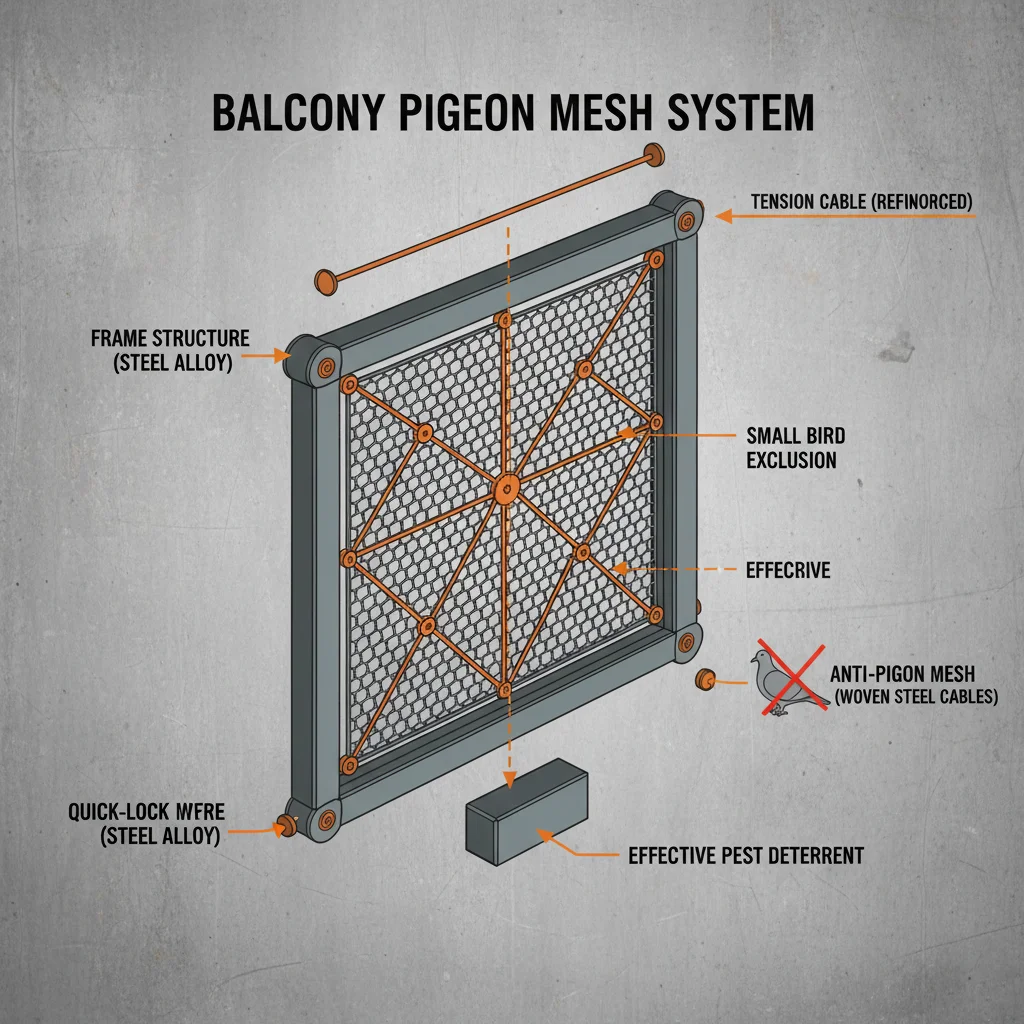
Finally, the anchoring system defines the longevity of the installation. Professional-grade bird protection netting utilizes stainless steel cables and tensioning devices to ensure the mesh remains taut over time, eliminating gaps where birds could potentially push through or become entangled.
Practical Applications and Use Cases
The deployment of bird protection netting is diverse, ranging from urban architecture to remote industrial sites. In large-scale warehouses, netting is often suspended from ceilings to prevent birds from nesting in rafters, which protects stored inventory from contamination and reduces the need for hazardous cleaning operations at height.
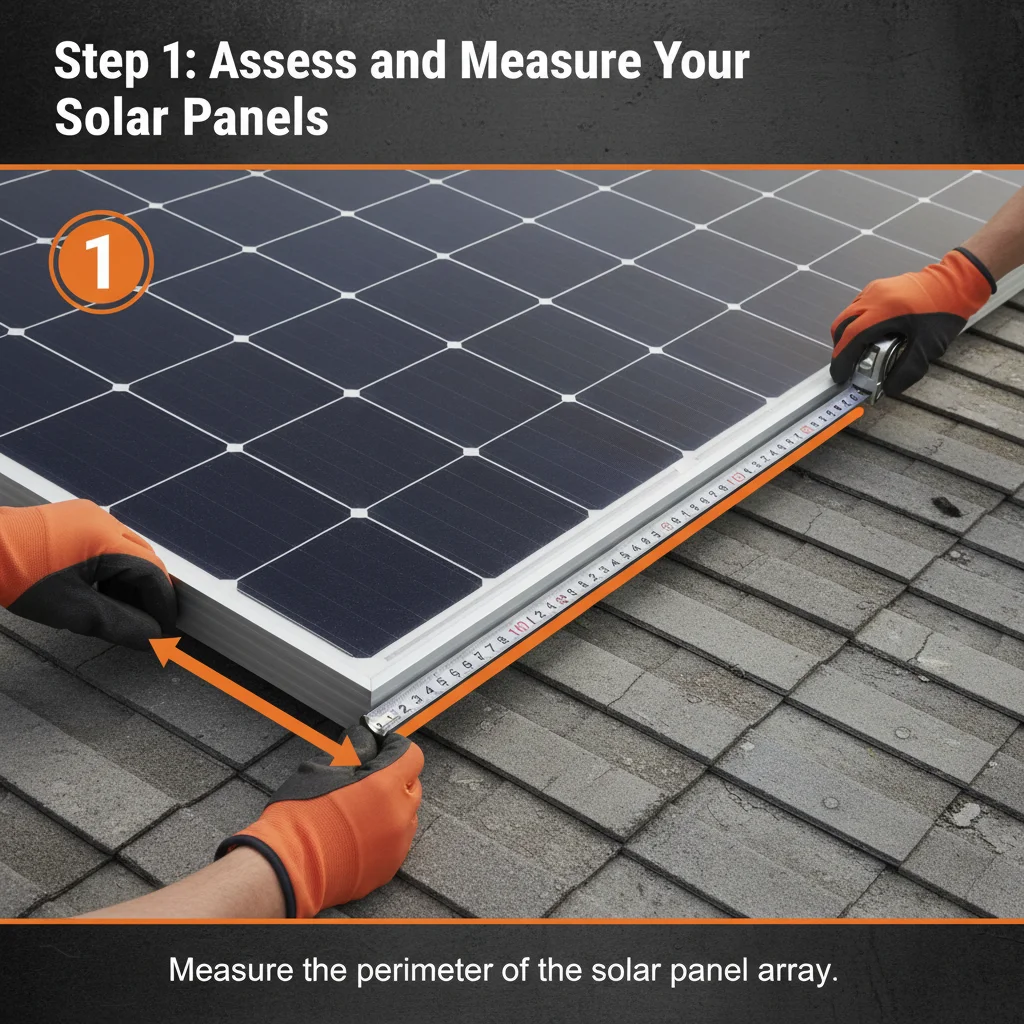
In the energy sector, specifically within solar farms and wind turbine bases, netting is used to prevent birds from nesting in electrical junction boxes. This prevents short circuits and potential fire hazards, ensuring that green energy production remains uninterrupted and safe.
Comparison of Bird Protection Netting Efficiency
Long-Term Value and Sustainability
Investing in high-quality bird protection netting provides an immediate return on investment by slashing the frequency of facility cleaning and emergency repairs. The logical advantage lies in the prevention of "nuisance costs"—those unpredictable expenses associated with bird-related equipment failure or health code violations in food-processing environments.
From an emotional and ethical perspective, netting represents a humane approach to pest control. By creating a physical boundary rather than using lethal means or chemical repellents, companies can demonstrate a commitment to biodiversity and animal welfare, enhancing their corporate social responsibility (CSR) profile and building trust with the community.
Future Trends in Avian Deterrent Technology
The future of bird protection netting is leaning toward "smart" materials. Researchers are exploring the integration of conductive threads within the mesh that can detect the presence of a bird through capacitance changes, triggering a non-harmful acoustic signal to discourage the bird from attempting to penetrate the barrier.
Furthermore, the push for circular economies is driving the adoption of recycled ocean plastics for netting production. By converting waste plastics into high-tenacity fibers, the industry is reducing its carbon footprint while maintaining the structural integrity required for industrial-grade protection.
Automation is also playing a role, with the emergence of drone-based installation systems. These drones can deploy bird protection netting in high-altitude areas or hazardous industrial zones where human access is restricted, significantly reducing installation time and improving worker safety.
Overcoming Challenges in Netting Installation
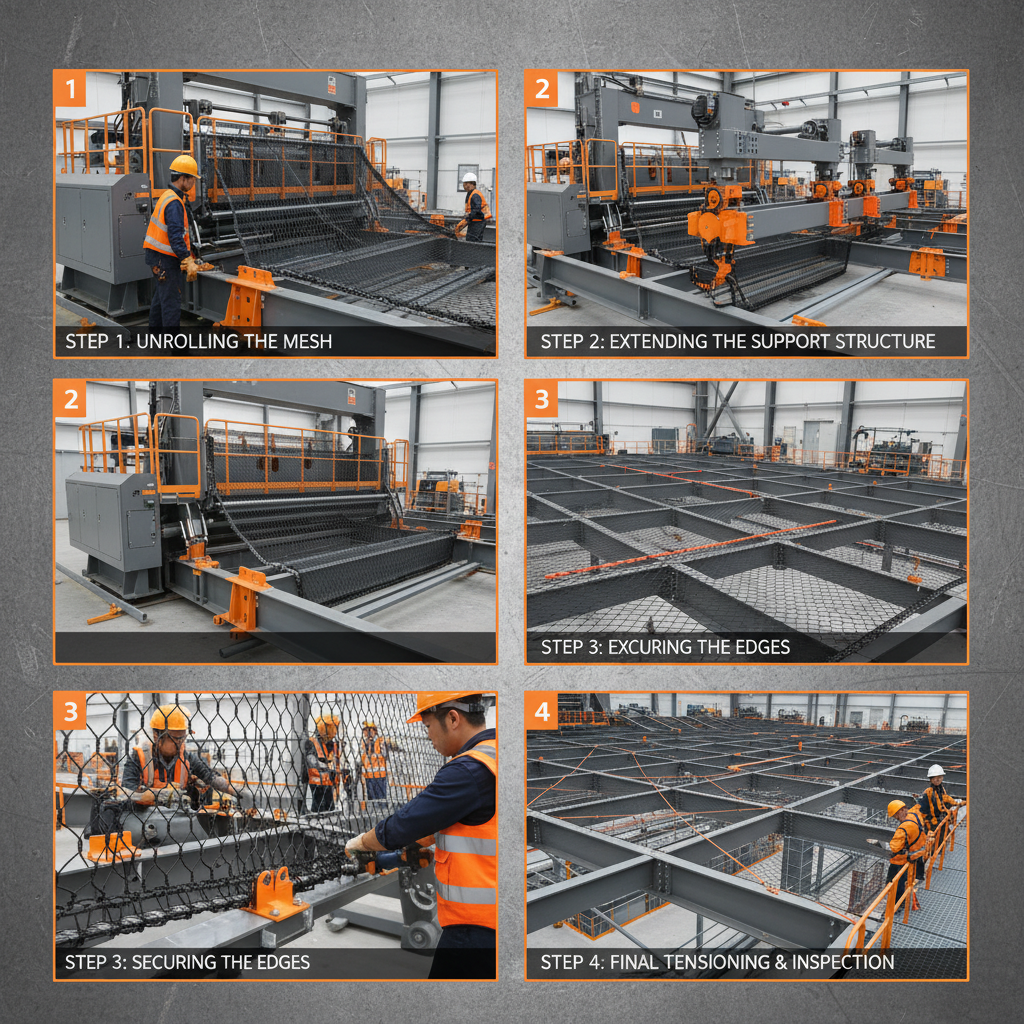
One of the most common challenges in deploying bird protection netting is "sagging," which occurs due to thermal expansion and contraction of the materials. To solve this, engineers now utilize adjustable tensioning systems that allow the net to be tightened periodically without requiring a full reinstall.
Another hurdle is the visual impact of netting on architectural aesthetics. The solution has been the development of "invisible" or ultra-fine monofilament nets. These materials provide the same protective capabilities as thicker meshes but are virtually undetectable from a distance, making them ideal for historic buildings or high-end commercial facades.
Lastly, ensuring that the netting does not inadvertently trap non-target species is a critical concern. Expert installers now utilize "safe-release" mesh patterns and conduct regular audits to ensure that the system remains an exclusionary tool rather than a hazard, maintaining the balance between industrial security and ecological ethics.
Analysis of Bird Protection Netting Implementation Strategies
| Installation Method |
Durability Score (1-10) |
Cost Efficiency |
Ecological Impact |
| Fixed Stainless Cable |
10 |
Medium |
Very Low |
| Tensioned HDPE Mesh |
8 |
High |
Low |
| Modular Panel Netting |
7 |
Medium |
Low |
| Monofilament Invisible |
6 |
Low |
Very Low |
| Recycled Poly Mesh |
7 |
Very High |
Positive |
| Hybrid Wire-Polymer |
9 |
Medium |
Low |
FAQS
We recommend a comprehensive inspection every six months. This ensures that UV degradation hasn't weakened the fibers and that tensioning cables are still secure. In high-wind areas or coastal regions, quarterly checks are advised to prevent gaps that could lead to bird ingress.
Yes, professional-grade netting is designed to be a deterrent, not a trap. By using specific mesh sizes and high-visibility materials where necessary, birds can see the barrier and avoid it. Proper installation prevents entanglement, making it a humane alternative to chemical deterrents.
Absolutely. In industrial settings, bird protection netting is often installed as a canopy over outdoor storage for cylinder valves and motors. This prevents nesting in the machinery's nooks and crannies, protecting seals and precision surfaces from corrosive droppings.
Depending on the UV stabilization level and environmental exposure, a high-quality HDPE system typically lasts between 10 to 20 years. Regular maintenance and cleaning to remove organic debris can further extend the lifespan of the material.
Mesh size selection depends entirely on the target species. For smaller birds like sparrows, a 19mm mesh is typically sufficient. For larger birds like pigeons or gulls, a 50mm mesh is often used. Consulting with an avian specialist helps in selecting the most efficient size for the specific local population.
Maintenance is relatively low-cost. It primarily involves removing wind-blown debris and checking cable tension. When compared to the cost of repairing corroded steel or cleaning industrial HVAC systems contaminated by birds, the maintenance of netting is highly cost-effective.
Conclusion
In summary, bird protection netting is an indispensable tool for modern industrial and agricultural management. By combining advanced polymer science with strategic installation, it effectively mitigates the economic and operational risks associated with avian interference while remaining committed to humane and sustainable wildlife practices.
Looking forward, the integration of smart materials and recycled polymers will further refine the efficiency of these systems. We encourage facility managers and engineers to prioritize high-tensile, UV-stabilized solutions to ensure long-term structural integrity and operational safety. For more information on industrial protection solutions, visit our website: www.fcyhydraulics.com.