The 4 x 48 hydraulic cylinder is a versatile and powerful component used across a wide range of industries. From construction equipment to agricultural machinery, these cylinders provide the force needed to perform heavy-duty tasks. This article will provide an in-depth look at the features, applications, specifications, and benefits of the 4 x 48 hydraulic cylinder. We'll also explore factors to consider when selecting the right cylinder for your needs. FCY Hydraulics specializes in high-quality hydraulic cylinders, including this popular size.
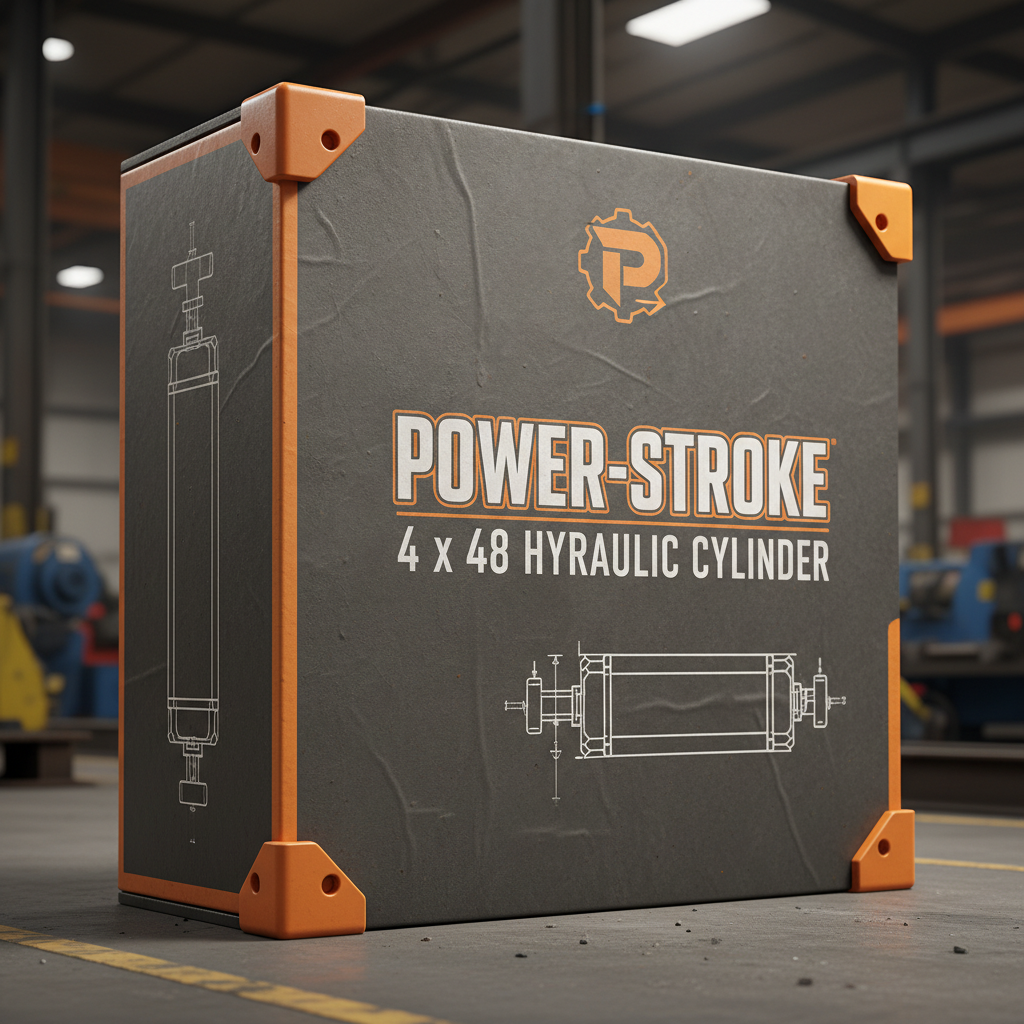
The designation "4 x 48" refers to the cylinder's dimensions: a 4-inch bore (inner diameter) and a 48-inch stroke (the distance the piston travels). This combination delivers substantial force over a significant range of motion. A larger bore provides more force, while a longer stroke allows for greater extension and retraction. These cylinders are typically constructed from high-strength steel to withstand immense pressure and repeated use. They are commonly used in applications demanding precise control and considerable lifting or pushing power.
Key Features: High-strength steel construction, 4-inch bore, 48-inch stroke, durable seals, and precision-honed cylinder walls.
The 4 x 48 hydraulic cylinder finds widespread use in various industries. Common applications include:
Hydraulic cylinders come in two primary configurations: single-stage and double-stage. A single-stage cylinder extends and retracts using hydraulic pressure on one side of the piston. A double-stage cylinder utilizes two telescoping sections, providing a longer stroke within a more compact retracted length. The choice between the two depends on the application's requirements. Double-stage cylinders are often preferred when space is limited but a long stroke is needed.
Single-Stage vs. Double-Stage:
• Single-Stage: Simpler design, more robust, typically less expensive.
• Double-Stage: Longer stroke in a compact space, more complex construction, generally more expensive.
When selecting a 4 x 48 hydraulic cylinder, several factors should be considered to ensure optimal performance and longevity:
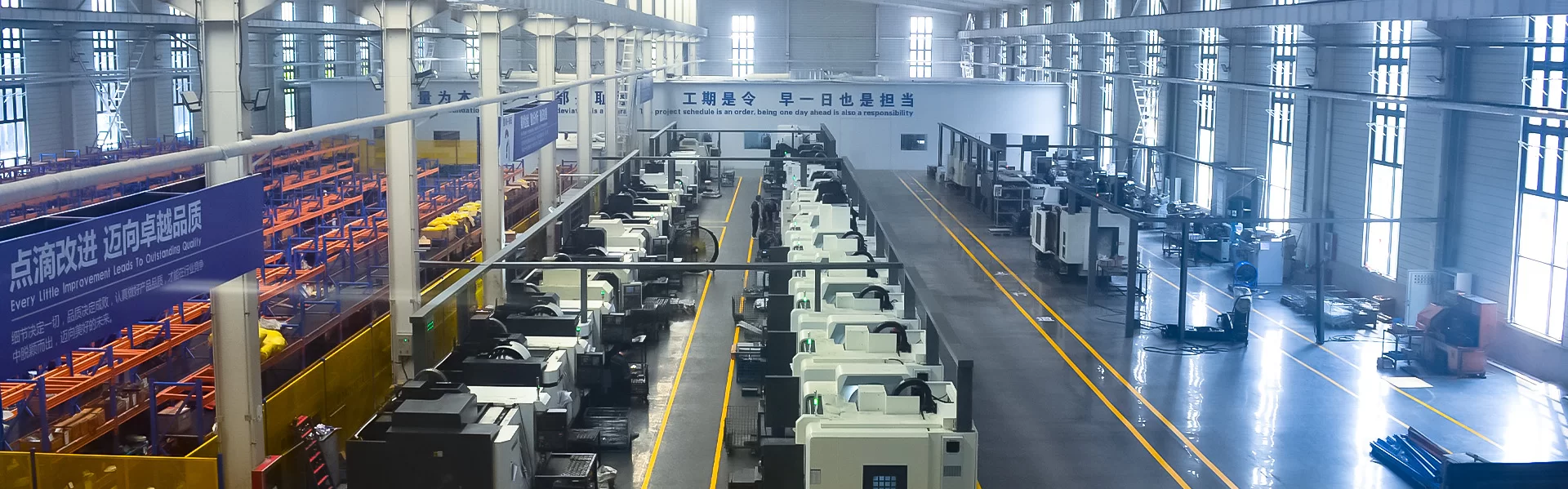
FCY Hydraulics is a leading manufacturer of high-quality hydraulic cylinders. We offer a wide range of 4 x 48 cylinders, custom configurations, and expert engineering support. Our cylinders are built to withstand the most demanding applications, providing reliable performance and long service life. We prioritize quality control and customer satisfaction, ensuring you receive a product that meets your exact specifications.
Choosing the right 4 x 48 hydraulic cylinder is crucial for the performance and reliability of your equipment. By understanding the specifications, applications, and key considerations outlined in this guide, you can make an informed decision. FCY Hydraulics provides superior quality and expert support to meet your specific needs.
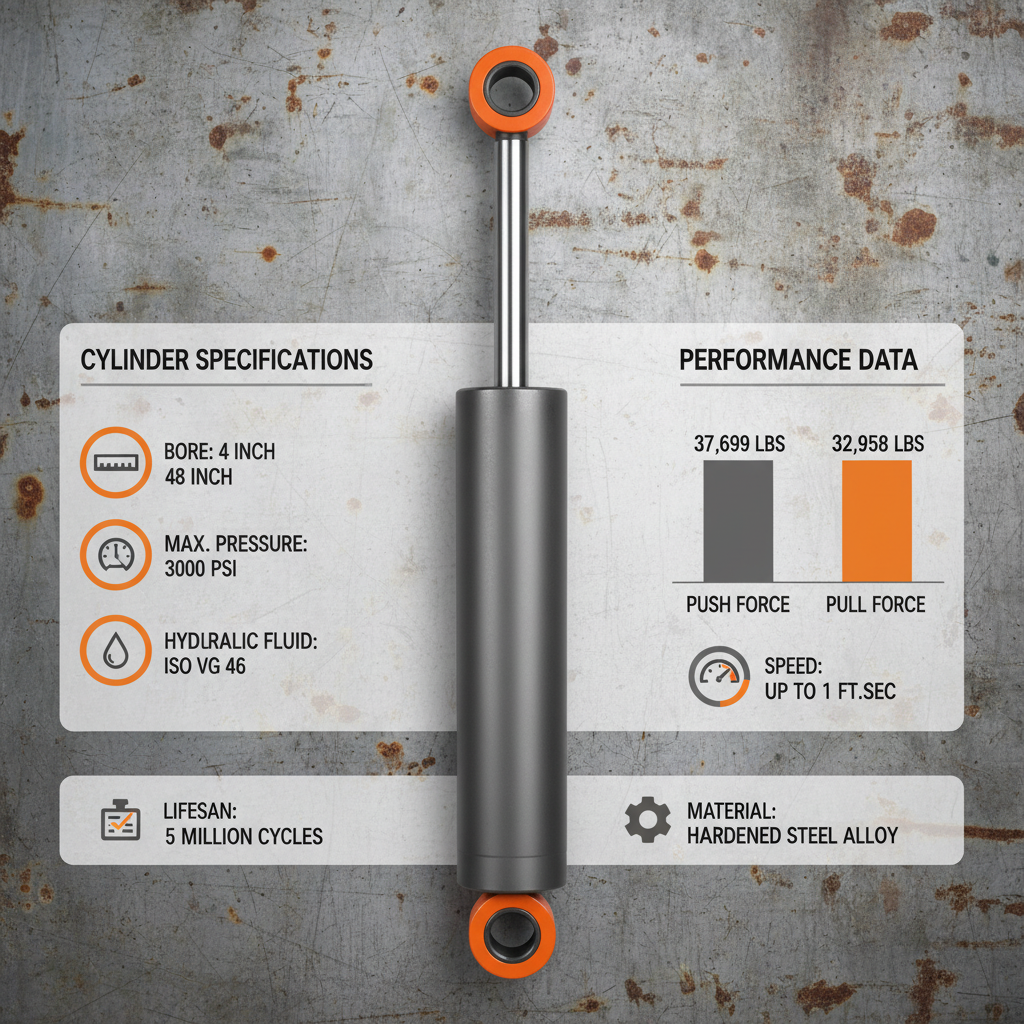
The typical operating pressure for a 4 x 48 hydraulic cylinder ranges from 3000 to 5000 PSI (pounds per square inch). However, the specific pressure rating will depend on the cylinder's construction and intended application. It's crucial to ensure that the cylinder's pressure rating matches the hydraulic system's pressure to prevent damage and ensure safe operation. Exceeding the maximum pressure can lead to catastrophic failure.
Several mounting options are available for 4 x 48 hydraulic cylinders, including flange mounts, trunnion mounts, clevis mounts, and pin mounts. The choice of mounting style depends on the application and the required range of motion. Flange mounts provide a rigid connection, while trunnion mounts allow for pivoting movement. Clevis mounts offer versatility and ease of installation. FCY Hydraulics offers a wide array of mounting configurations.
Determining the correct cylinder size involves considering several factors, including the load weight, desired speed of movement, and available hydraulic pressure. You'll need to calculate the required force and then select a cylinder with a bore diameter that can generate that force at the system's operating pressure. It's also important to consider the stroke length needed to achieve the desired range of motion. Consulting with a hydraulics expert can help ensure you choose the optimal cylinder size for your application.