When it comes to hydraulic systems, the cylinder is a crucial component – it’s the engine that converts fluid power into mechanical motion. Among the various sizes available, the 10 ft hydraulic cylinder stands out for its robust capabilities and versatile applications. This article delves into the specifics of these cylinders, their benefits, applications, and considerations when choosing the right one for your needs. Whether you're involved in heavy construction, agricultural machinery, or industrial automation, understanding the nuances of a 10 ft cylinder is paramount for operational efficiency and longevity.
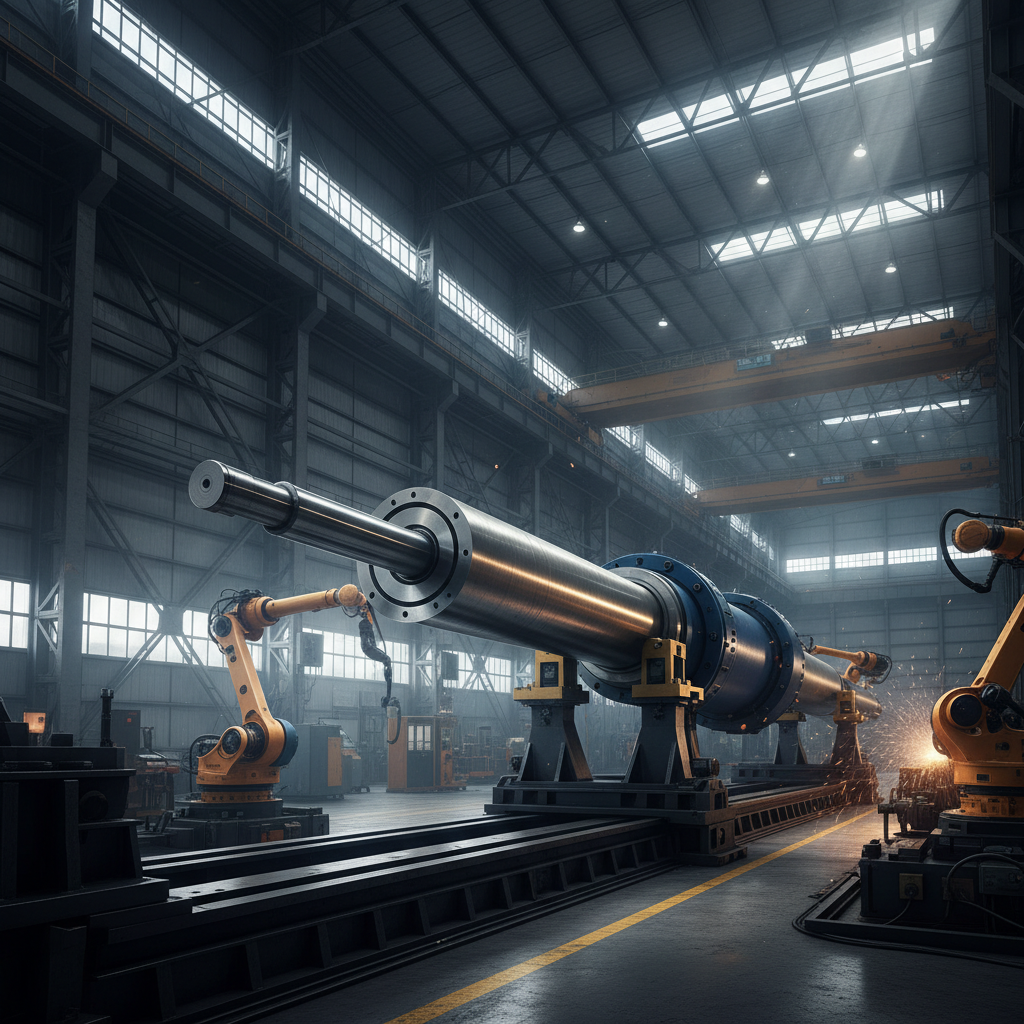
A 10 ft hydraulic cylinder, as the name suggests, possesses a stroke length of ten feet. The stroke length refers to the distance the piston travels within the cylinder, determining the extent of the linear force it can exert. These cylinders are typically heavy-duty, designed to handle substantial loads and operate in demanding conditions. They’re composed of a cylinder barrel, a piston, a piston rod, and seals, all working in harmony to translate hydraulic pressure into mechanical force. FCY Hydraulics specializes in crafting high-quality, custom 10 ft hydraulic cylinders to meet a variety of application requirements.
Employing a 10 ft hydraulic cylinder offers numerous advantages. Firstly, its extended stroke length provides a significant range of motion, ideal for applications requiring substantial linear displacement. Secondly, these cylinders offer exceptional force capabilities, enabling them to handle heavy loads with ease. Furthermore, they're known for their durability and reliability, minimizing downtime and maintenance costs. The precise control afforded by hydraulic systems also contributes to operational efficiency. The smooth, controlled movement is critical in many demanding tasks.
Key Highlights: Extended stroke length, exceptional force capabilities, durability, and precise control.
The versatile nature of a 10 ft hydraulic cylinder leads to its widespread use across diverse industries. In agriculture, they are frequently used in large-scale plows and harvesting equipment. Construction utilizes them in excavators, bulldozers, and crane operations. The mining industry leverages them for heavy lifting and material handling. Moreover, they find application in industrial machinery, such as presses and injection molding machines. They're also crucial components in certain types of mobile equipment and specialized engineering projects.
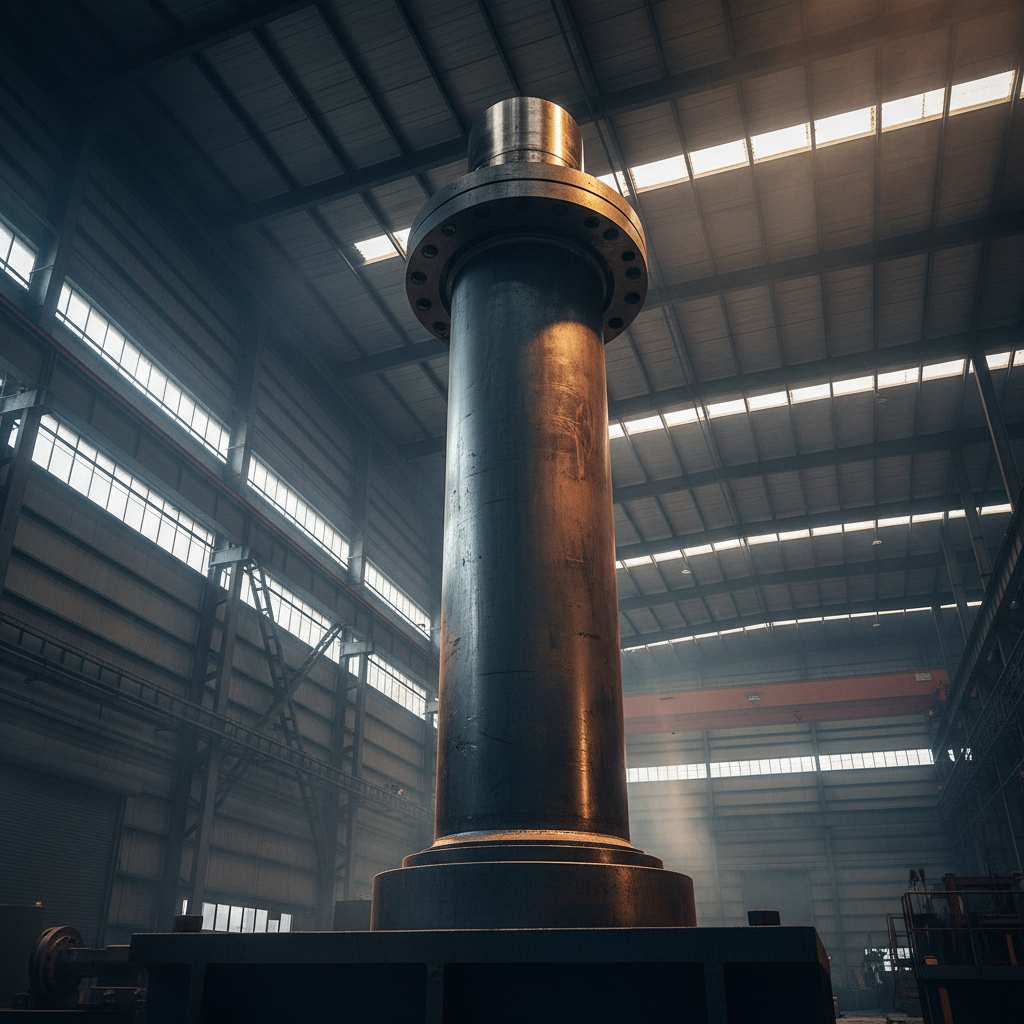
Selecting the appropriate 10 ft hydraulic cylinder requires careful consideration of several factors. First, the operating pressure of your system is critical – ensure the cylinder’s pressure rating matches or exceeds your system’s needs. Second, the load capacity must be accurately calculated. Third, the environmental conditions (temperature, exposure to corrosive substances) dictate the materials used in the cylinder's construction. Finally, the mounting style (flange, trunnion, clevis) should align with your machine’s design. FCY Hydraulics offers expert consultation to guide you through these decisions.
Proper maintenance is crucial to ensure the long-term performance of your 10 ft hydraulic cylinder. Regularly inspect seals for leaks and replace them as needed. Keep the cylinder rod clean to prevent corrosion. Monitor the hydraulic fluid levels and ensure it’s within the recommended range. Regularly check mounting hardware for tightness. FCY Hydraulics provides comprehensive maintenance guides and support.
The 10 ft hydraulic cylinder is a powerful and versatile component capable of enhancing efficiency and reliability across various industries. By understanding its capabilities, key considerations for selection, and proper maintenance procedures, you can maximize its performance and ensure a long service life. Invest in quality and partner with a reputable manufacturer like FCY Hydraulics to power your operations effectively.
The lead time for a custom 10 ft hydraulic cylinder can vary depending on the complexity of the design, material availability, and current production workload. Generally, expect a lead time of 4-8 weeks from order confirmation to delivery. However, FCY Hydraulics strives to expedite the process whenever possible and provides clear communication regarding estimated delivery schedules.
Common materials include high-strength steel alloys for the cylinder barrel and piston rod, providing durability and resistance to pressure. Seals are typically made from materials like polyurethane or nitrile rubber for effective sealing. The choice of material also depends on the operating environment – for corrosive environments, stainless steel might be preferred. FCY Hydraulics can advise on the best materials for your specific application.
Yes, but special considerations are necessary. Extreme temperatures can affect the viscosity of the hydraulic fluid and the performance of seals. FCY Hydraulics offers cylinders designed for high and low temperature applications, incorporating specialized seals and materials to ensure reliable operation. It's crucial to specify the operating temperature range when ordering.