Hydraulic cylinders are powerful actuators utilized across a vast spectrum of industries, converting hydraulic pressure into linear force and motion. Selecting the right cylinder for your application is crucial for optimal performance and longevity. This article will explore the applications of a 10 hydraulic cylinder, focusing on key considerations for choosing the correct model and its many uses. From construction and agriculture to manufacturing and beyond, we’ll delve into how these robust components drive efficiency and productivity.
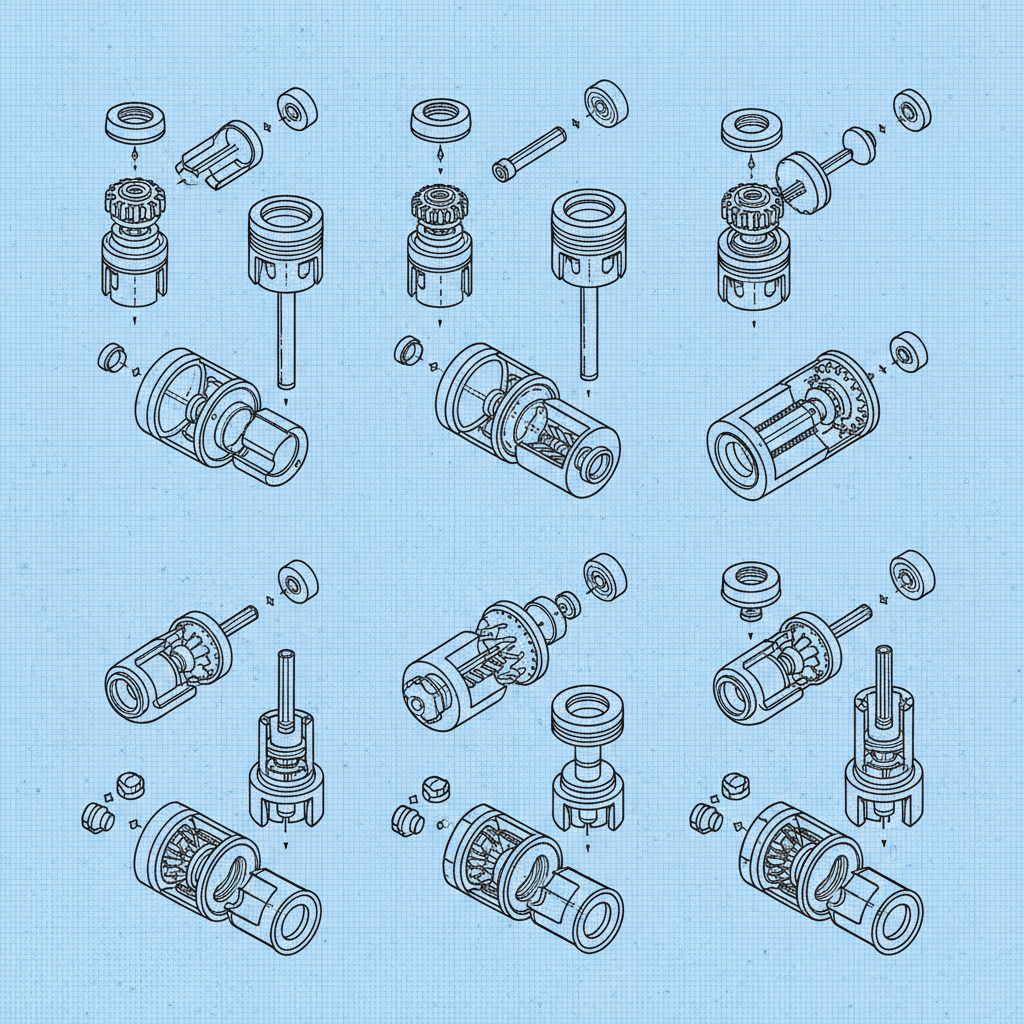
A 10-inch hydraulic cylinder, referring to its bore diameter, offers a significant force output making it suitable for demanding applications. Common uses include lifting heavy loads in construction equipment like excavators and bulldozers, powering the steering systems in large vehicles, and operating industrial presses. In agricultural machinery, these cylinders control the movement of implements such as plows and harvesters. The robust design ensures reliability in harsh environments, and the consistent force delivery provides precise control over operations. Furthermore, they are frequently used in material handling equipment like forklifts and cranes. FCY Hydraulics provides custom solutions tailored to a diverse range of needs.
Key Highlights: A 10-inch hydraulic cylinder excels in applications demanding high force output and durability, proving invaluable across multiple industries.
Let’s break down specific use cases for a 10-inch hydraulic cylinder. In the construction sector, these cylinders are integral to the operation of backhoes, allowing for powerful digging and lifting. Within the manufacturing industry, they control the clamping forces of injection molding machines and power metal forming presses. In material handling, they are found in stackers and pallet jacks, facilitating the movement of heavy goods. Agricultural applications include the tilting beds of dump trucks and the operation of hay balers. They also find use in forestry equipment, like log splitters and skidders. Finally, in mining operations, they are employed in rock drills and excavators.
Application Benefits:
• High Force Capacity: Ideal for heavy-duty tasks.
• Precise Control: Allows for accurate positioning and operation.
• Durability: Withstands harsh environments and prolonged use.
• Versatility: Adapts to a wide range of applications.
Choosing the right type of 10 hydraulic cylinder is critical. Single-acting cylinders exert force in one direction, requiring external force for retraction. Double-acting cylinders provide force in both directions, offering greater control and efficiency. Telescopic cylinders, featuring multiple nested sections, extend to longer lengths while maintaining a compact retracted size. The best choice depends on the specific requirements of the application. For example, a log splitter might benefit from a single-acting cylinder, while a construction excavator will rely on double-acting cylinders for precise control of its boom and arm. FCY Hydraulics offers expert guidance to help you select the optimal cylinder type.
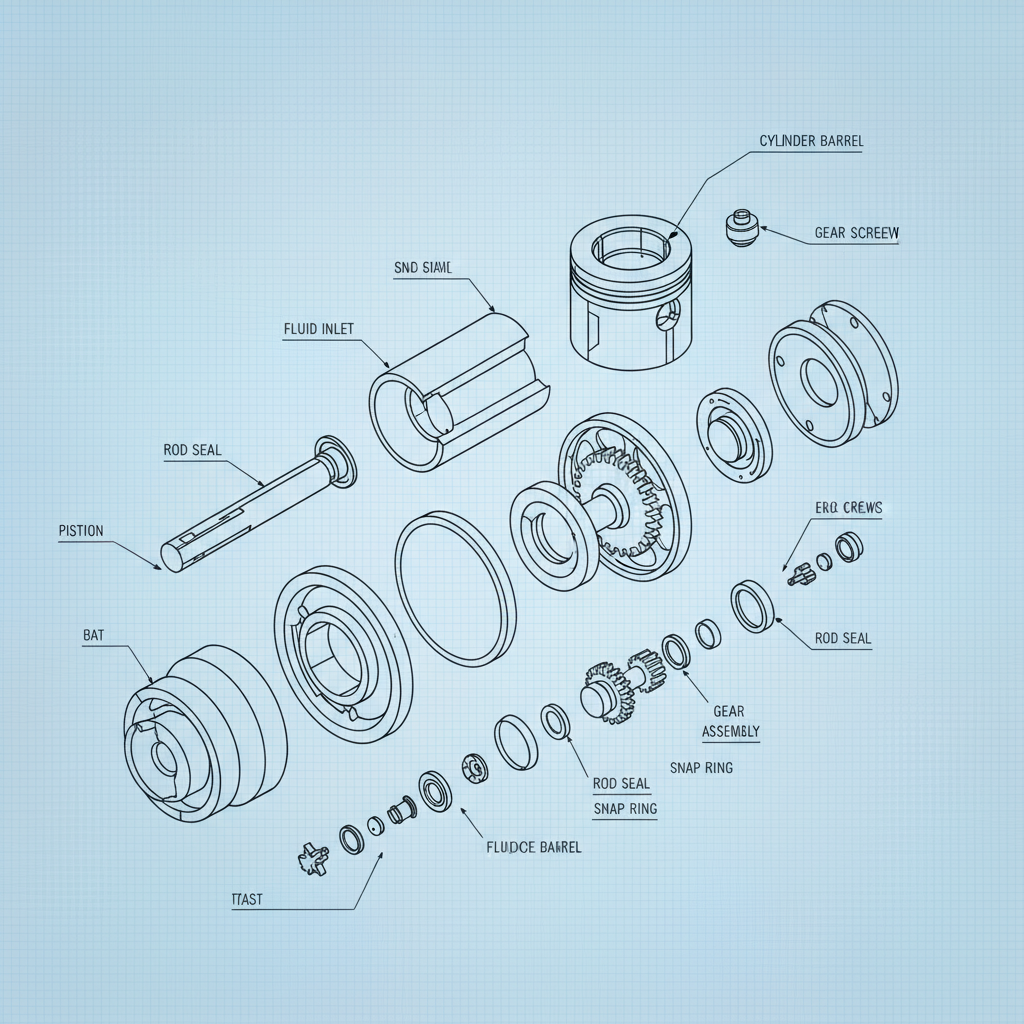
When specifying a 10 hydraulic cylinder, consider several critical parameters. Bore diameter (10 inches in this case), stroke length (the distance the piston travels), rod diameter, mounting style (flange, trunnion, etc.), and operating pressure are all key factors. Material selection is also important, with options like steel, stainless steel, and chrome-plated rods available depending on the application’s environment and desired corrosion resistance.
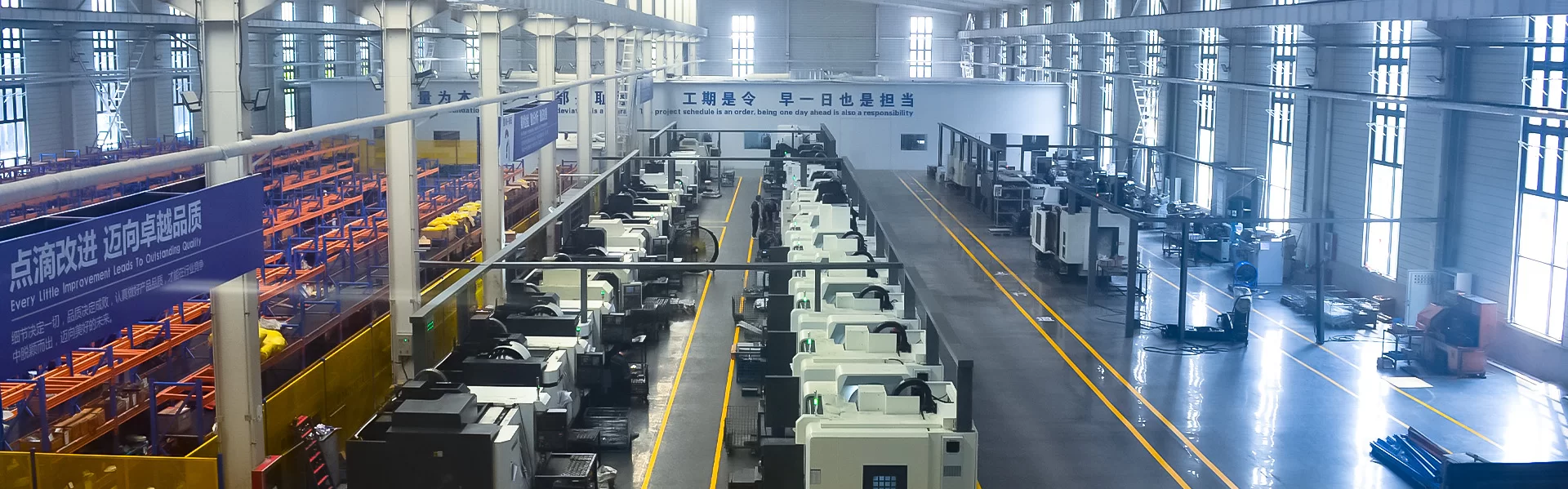
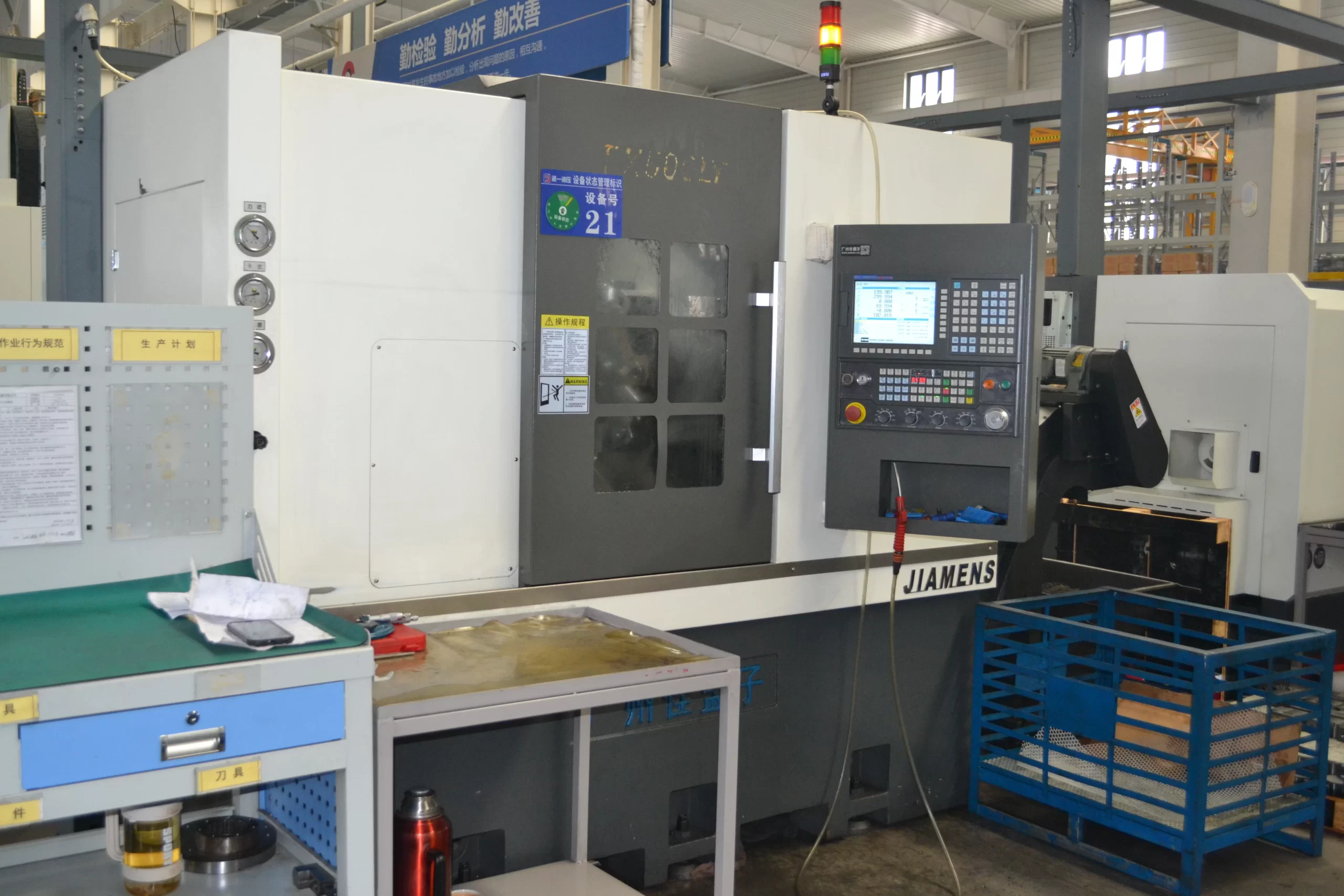
Partnering with a reputable supplier like FCY Hydraulics is essential for sourcing high-quality 10 hydraulic cylinders. We offer a wide range of standard and custom cylinders, expert technical support, and competitive pricing. Our commitment to quality ensures reliable performance and longevity, minimizing downtime and maximizing your return on investment. We prioritize customer satisfaction and strive to provide tailored solutions to meet your specific needs.
Choosing the appropriate 10 hydraulic cylinder requires a thorough understanding of your application's demands. Considering factors like cylinder type, specifications, and supplier reliability is crucial for optimal performance and longevity. With the right cylinder and a trusted partner like FCY Hydraulics, you can enhance efficiency, reduce downtime, and achieve your operational goals.
The operating pressure of a hydraulic cylinder is determined by the system’s pump capacity, valve settings, and the load being moved. Higher pressures allow for greater force output, but exceeding the cylinder’s maximum pressure rating can lead to failure. Factors like fluid viscosity and temperature also play a role. Careful consideration of these factors is crucial to ensure safe and efficient operation. Choosing a cylinder rated for your system’s maximum pressure is paramount.
The stroke length should be calculated based on the total distance the load needs to move. Account for any required over-travel or safety margins. It’s crucial to ensure the stroke length is sufficient to complete the desired task without overextending or causing interference. Incorrect stroke length can lead to inefficient operation and potential damage to the cylinder or connected equipment.
Regular maintenance is key to extending the lifespan of a hydraulic cylinder. This includes checking for leaks, inspecting seals and rods for damage, and ensuring proper fluid levels. Regularly cleaning the cylinder rod prevents contamination. Periodic oil analysis can help identify potential issues before they become major problems. Following the manufacturer’s recommended maintenance schedule is crucial for optimal performance.
Chrome plating provides superior corrosion resistance and wear protection for the cylinder rod. This is particularly beneficial in harsh environments where exposure to moisture, chemicals, or abrasive materials is common. Chrome plating also reduces friction, resulting in smoother operation and extended seal life. While more expensive upfront, it offers significant long-term benefits in terms of durability and reduced maintenance costs.