When it comes to heavy-duty applications requiring powerful linear motion, a 10 ton hydraulic cylinder stands as a critical component. These cylinders are employed across a diverse range of industries, from construction and manufacturing to agriculture and material handling. This article delves into the intricacies of 10 ton hydraulic cylinders, exploring their applications, key features, design considerations, and how to select the right cylinder for your specific needs. Choosing the right cylinder ensures optimal performance, safety, and longevity of your hydraulic systems.
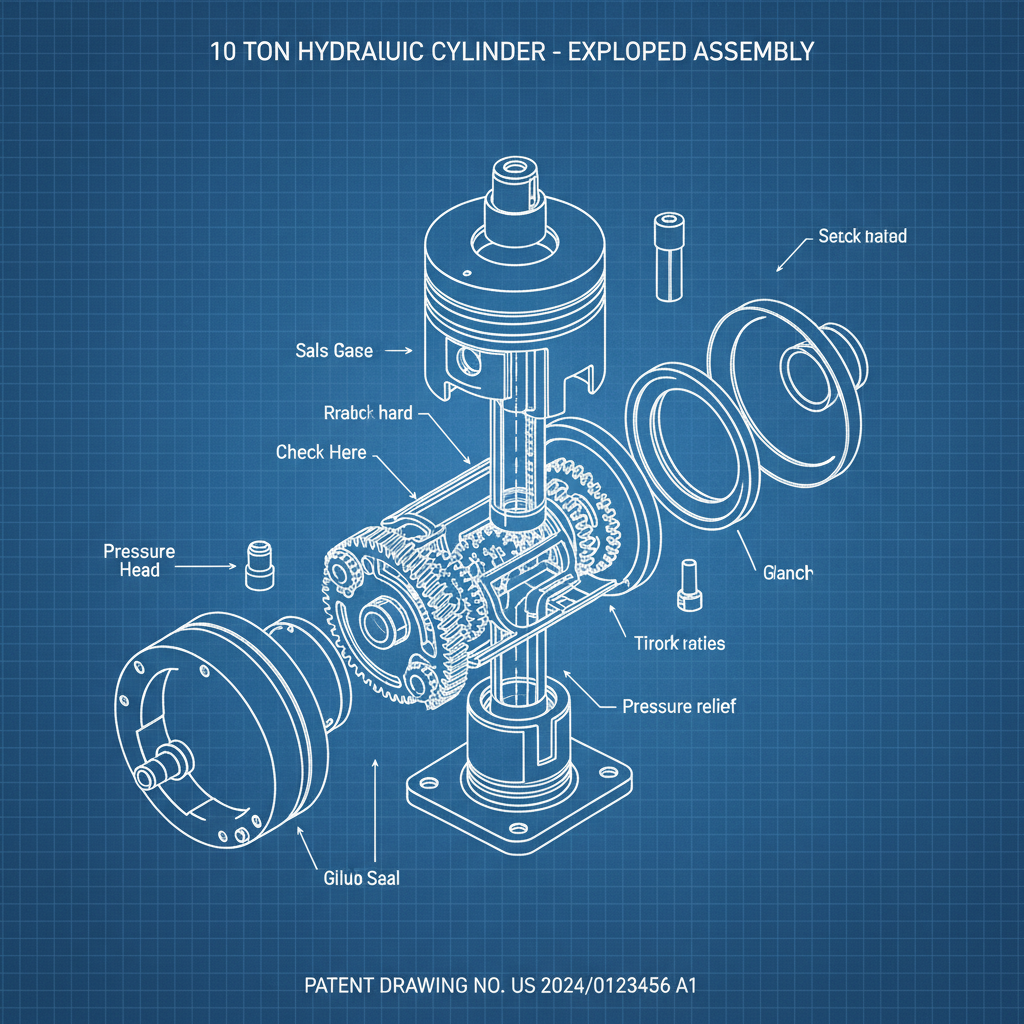
A 10-ton hydraulic cylinder is capable of exerting a force of 10 tons (approximately 9071.85 kilograms or 20,000 pounds). This force is generated by pressurizing hydraulic fluid within the cylinder's chamber, which pushes against a piston connected to a rod. The rod then extends or retracts, providing the linear motion needed to perform work. These cylinders are known for their robust construction, high power-to-size ratio, and ability to handle demanding loads. They are designed for applications where precision, reliability, and consistent performance are paramount. You can explore our range of high-quality hydraulic cylinders at FCY Hydraulics.
The versatility of 10 ton hydraulic cylinders makes them ideal for a wide array of applications. Some of the most common include:
Key Benefit: 10 ton hydraulic cylinders provide the power and reliability needed for demanding industrial and construction applications, ensuring efficient operation and increased productivity.
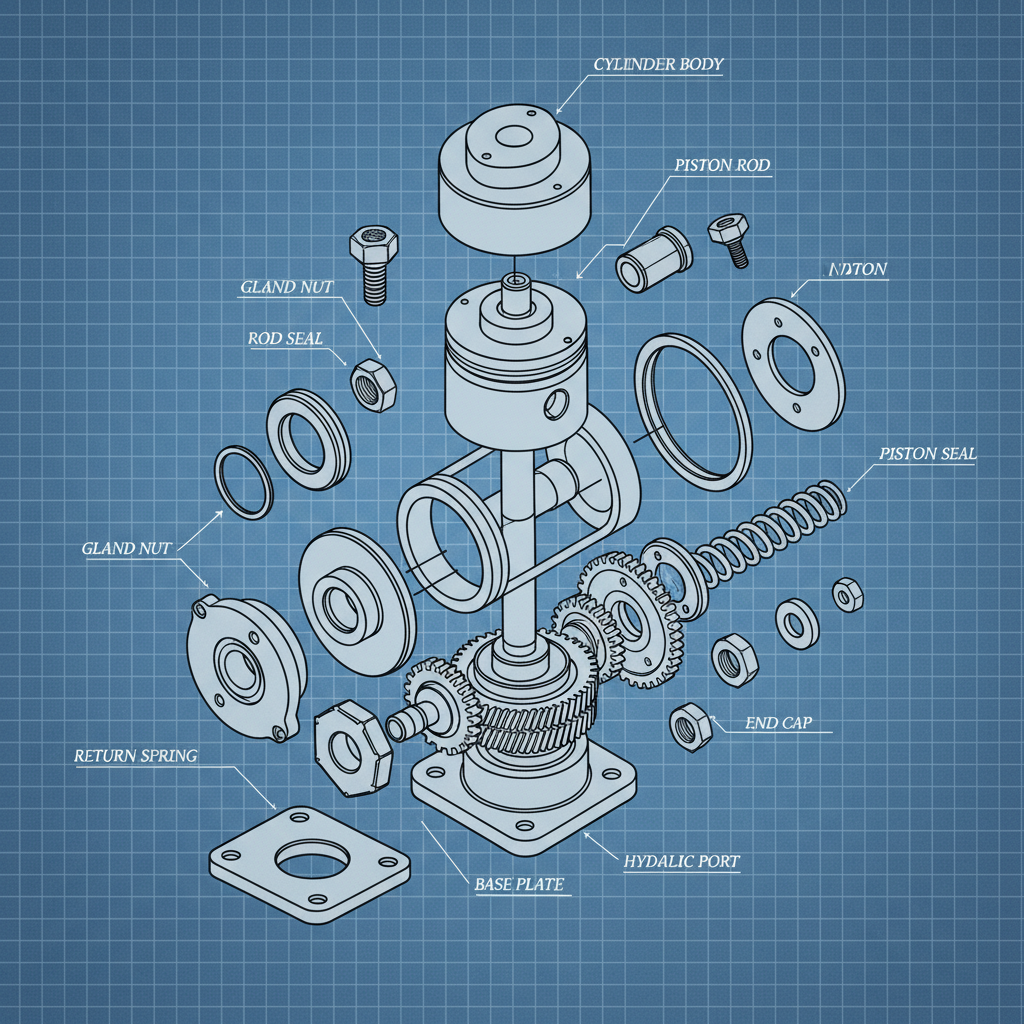
High-quality 10 ton hydraulic cylinders boast several critical features. These include a durable steel construction capable of withstanding high pressures, precision-honed cylinder bores for a smooth and efficient seal, and robust piston rods designed to resist bending and wear. Reliable seals are crucial to prevent leaks and maintain optimal performance. Furthermore, mounting options are diverse, allowing for flexible integration into various systems. FCY Hydraulics specializes in crafting cylinders with these essential features.
Essential Cylinder Features:
• Durable steel construction
• Precision-honed cylinder bores
• Robust piston rods
• Reliable sealing systems
10 ton hydraulic cylinders are available in two primary configurations: single-acting and double-acting. Single-acting cylinders utilize hydraulic pressure to extend the rod, while a spring or gravity retracts it. Double-acting cylinders, on the other hand, use hydraulic pressure to both extend and retract the rod, providing greater control and force in both directions. The choice between the two depends on the specific application requirements. Here’s a comparison:
Choosing the correct cylinder involves considering several factors: the required stroke length, the operating pressure, the mounting style, and the environmental conditions. It’s also crucial to assess the load characteristics, including static and dynamic forces. Ensure the cylinder's specifications align with your system’s requirements to guarantee optimal performance and prevent premature failure. Contact FCY Hydraulics for expert guidance in selecting the ideal cylinder for your application.
Proper maintenance is crucial for extending the life of your 10 ton hydraulic cylinder. Regular inspections for leaks, damage to the rod, and worn seals are essential. Keep the cylinder clean and lubricated, and promptly address any issues that arise. Following the manufacturer’s recommended maintenance schedule will ensure reliable operation and minimize downtime. Consistent attention to maintenance details can prevent costly repairs and replacements.
A 10 ton hydraulic cylinder is a powerful and versatile component essential for a wide range of applications. By understanding the different types, key features, and maintenance requirements, you can select the right cylinder for your needs and ensure its long-term performance. Investing in quality cylinders from a reputable manufacturer like FCY Hydraulics guarantees reliability, efficiency, and safety.
The lifespan of a 10-ton hydraulic cylinder is dependent on several factors, including operating conditions, maintenance practices, and the quality of the cylinder itself. With proper maintenance and moderate usage, a well-built cylinder can last for 5-10 years or even longer. However, frequent exposure to harsh environments, excessive loads, or lack of maintenance can significantly shorten its lifespan. Regular inspections and preventative maintenance are key to maximizing the longevity of your cylinder.
Common causes of hydraulic cylinder failure include seal failure, rod damage (scoring or bending), corrosion, contamination of the hydraulic fluid, and overpressure. Seal failure often results from wear and tear or incompatible fluids. Rod damage can occur due to improper alignment or excessive side loading. Contaminated fluid can cause abrasion and damage to internal components. Regular fluid analysis and filtration can help prevent these issues.
In many cases, a 10-ton hydraulic cylinder can be repaired, especially if the damage is limited to seals, rods, or other replaceable components. However, extensive damage to the cylinder bore or body may necessitate replacement. The cost of repair versus replacement should be carefully considered. FCY Hydraulics offers both repair and replacement services, providing customized solutions to meet your needs.
The price of a 10-ton hydraulic cylinder is influenced by several factors, including the cylinder's size, stroke length, material quality, manufacturing complexity, and the manufacturer's reputation. Custom cylinders with specialized features or materials will typically be more expensive than standard models. Quantity purchased and shipping costs also play a role.